Peter Dowdall: How to choose a plant for a garden hedge
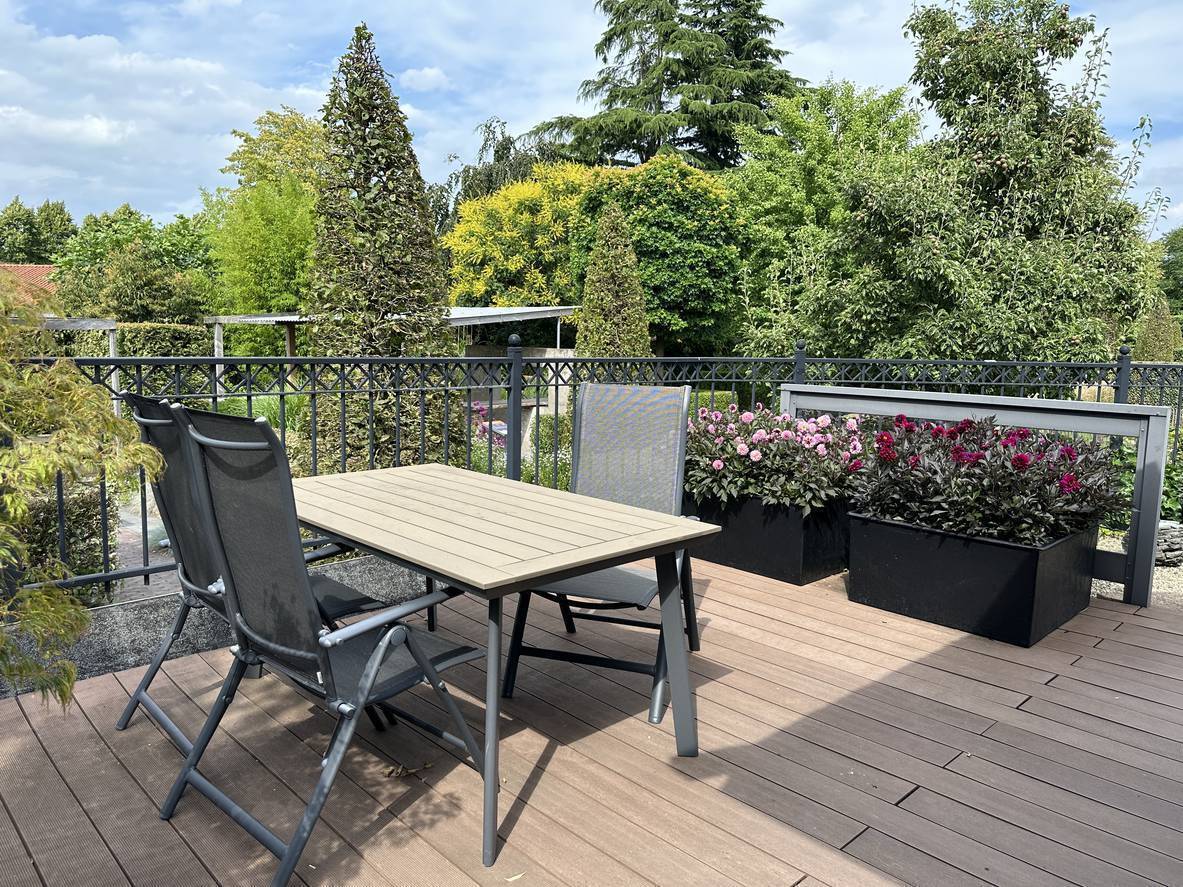
Is your hedge or planting there to create privacy, define boundaries, provide wind protection, or simply to add aesthetic appeal to your garden or outdoor living space? File pictures
One of the questions that I am asked most often is: “What plant can you recommend for a hedge?” or “I have recently removed a hedge which had grown too big, what can you recommend as a replacement?”
There is most certainly not a one-size-fits-all answer to these questions. It depends on everyone’s requirements, likes, dislikes and local conditions.
When deciding on what is the right plant to use as a hedge in your garden there are several factors which you need to consider first.
What is the purpose of your hedge? Are you looking to create privacy, define boundaries, provide wind protection, or simply add aesthetic appeal to your garden by providing a backdrop to other plantings?
What is your garden environment like? Is it sunny, windy, wet, or dry? If ever the phrase “right plant in the right place” was important, it’s when it comes to hedging plants.
Often unthought of but one of the most important factors is the growth rate. Many people look immediately for a fast-growing variety as they may not yet have embraced that all-important word in the world of gardening, patience.
I often try to talk people out of fast-growing varieties as, these are the varieties which will be high maintenance and perhaps problematic in the future, for they won’t suddenly stop growing once they have reached your desired height and cutting back once and sometimes twice a year will become an essential job.
It’s often better to look for a slower-growing variety and either wait for it to establish to the desired height or to purchase mature plants which are already at your desired height. You will pay more in the nurseries and garden centres for mature plants and instant hedges but, you will most likely save multiples of the cost in the long run by not having the ongoing maintenance expenses.
Realistically, nearly any shrub can be used as a hedge if you plant them at the correct spacing and in a line and so, with so many species to choose from, spend some time researching which ones you like from an aesthetic point of view. Look at plant features including foliage colour, texture, flowering time, and overall form.
Consider the wildlife and biodiversity value of hedge plants, including their ability to provide food, shelter, and habitat for birds, butterflies, and other beneficial wildlife species.
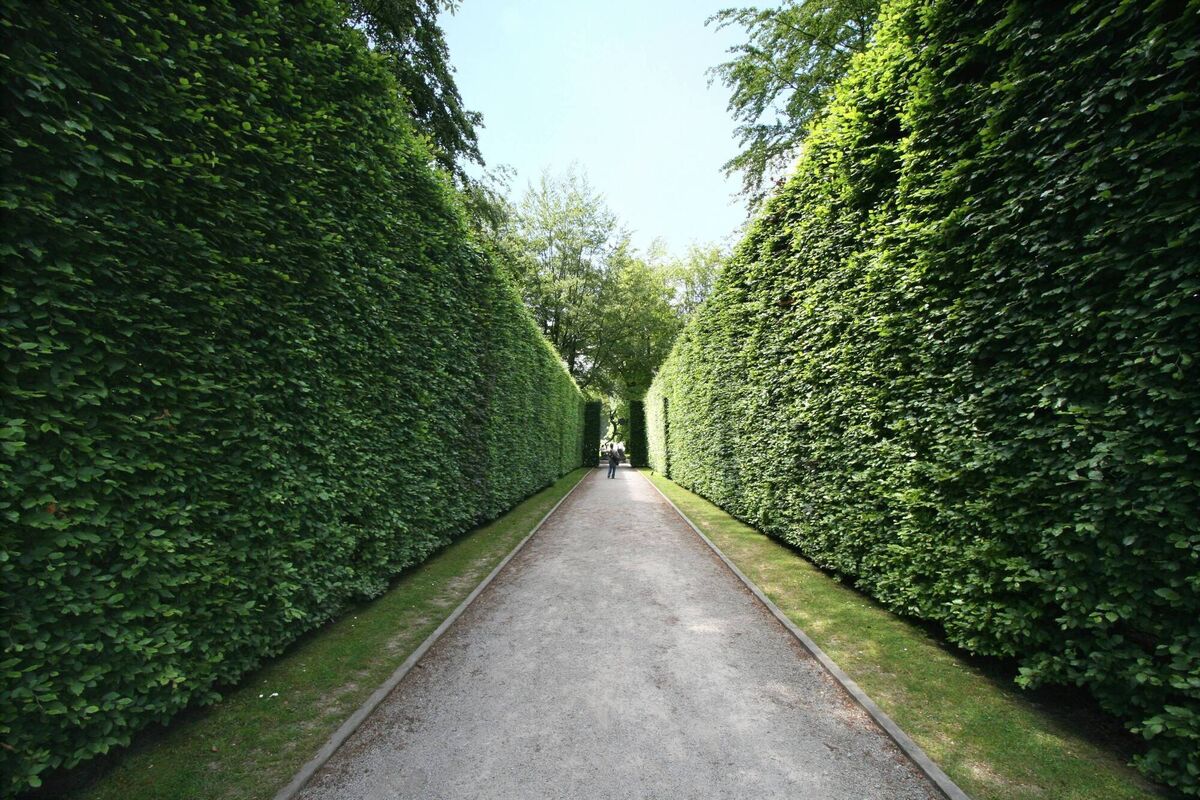
Select plants that support biodiversity and contribute to the ecological health of your garden.
I am always promoting the importance of maintaining a good natural balance in the garden and to enhance this, the more plant species we have growing, the better. So perhaps planting a mixed native hedge may be correct for your garden.
These offer numerous benefits, both for the environment and for your garden, namely enhancing biodiversity, by providing wildlife habitats, food for pollinators, and seasonal interest as well as being beautiful to look at and requiring low maintenance.
Some native species that would suit a mixed hedge include hawthorn, Blackthorn, field maple, guelder rose, dog rose, elder, holly, privet, rowan and birch.
Mixed species hedges are perhaps not for everyone and are certainly more suited, to more informal and perhaps rural locations and if you prefer a single species hedge then some to look at for coastal gardens include the evergreen, pink-flowering escallonia, Pittosporum tobira, which is grown more in continental Europe but well suited to severe coastal conditions, the silver-leaved olearia which is known as the daisy bush and Elaeagnus ebbingeii which has beautiful, silver, grey foliage and which also flowers in autumn, making it important for pollinating insects.
If I say two words to you, it may put you off fast-growing hedges. Those two words are leyland palm. This is probably the quickest-growing hedging plant of all, stretching up to three or feet each year. However, it can reach heights of 40-50 feet relatively quickly with a spread, if left unhindered of 20 feet or more. So, you can see now how this quickly becomes a problem in all but the largest of open spaces.
That’s not to say that all fast-growing hedges should be avoided, The common privet is relatively fast-growing and has lovely dense foliage and scented white flowers. It will tolerate a wide range of soil types and light conditions and is easy enough to maintain at between 6 to 12 feet.
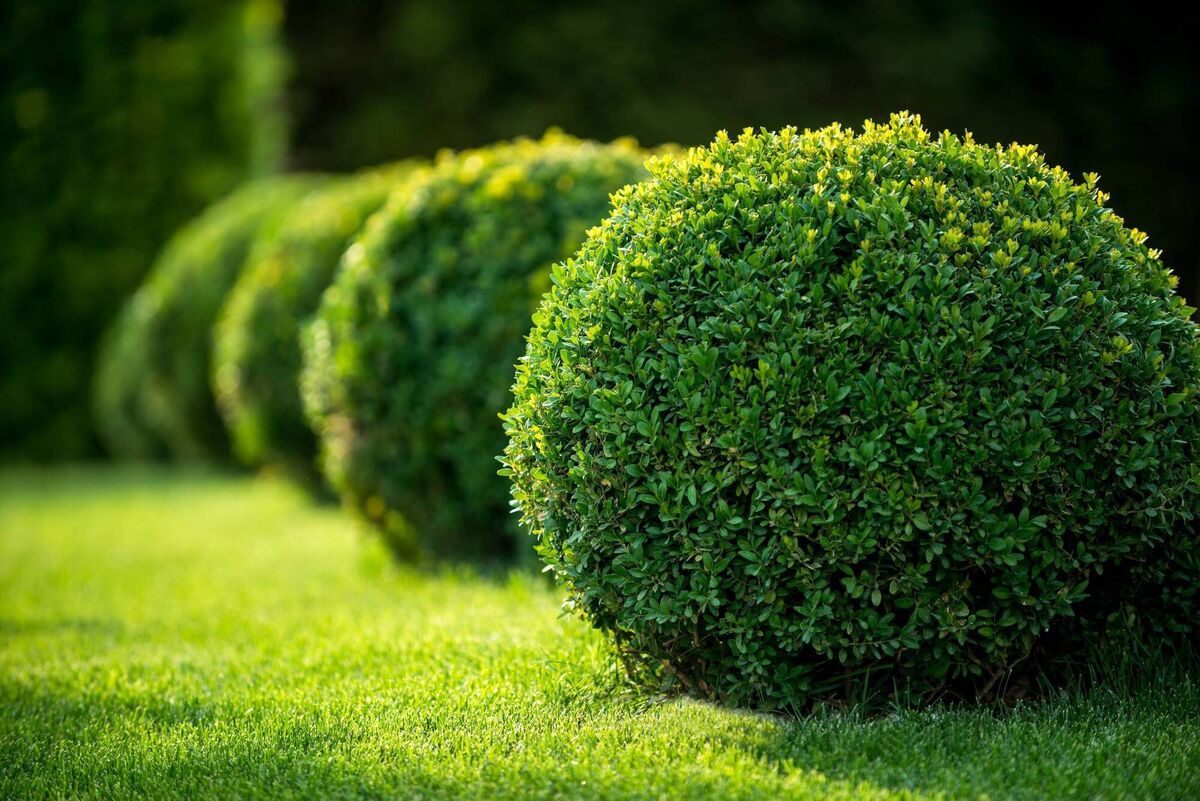
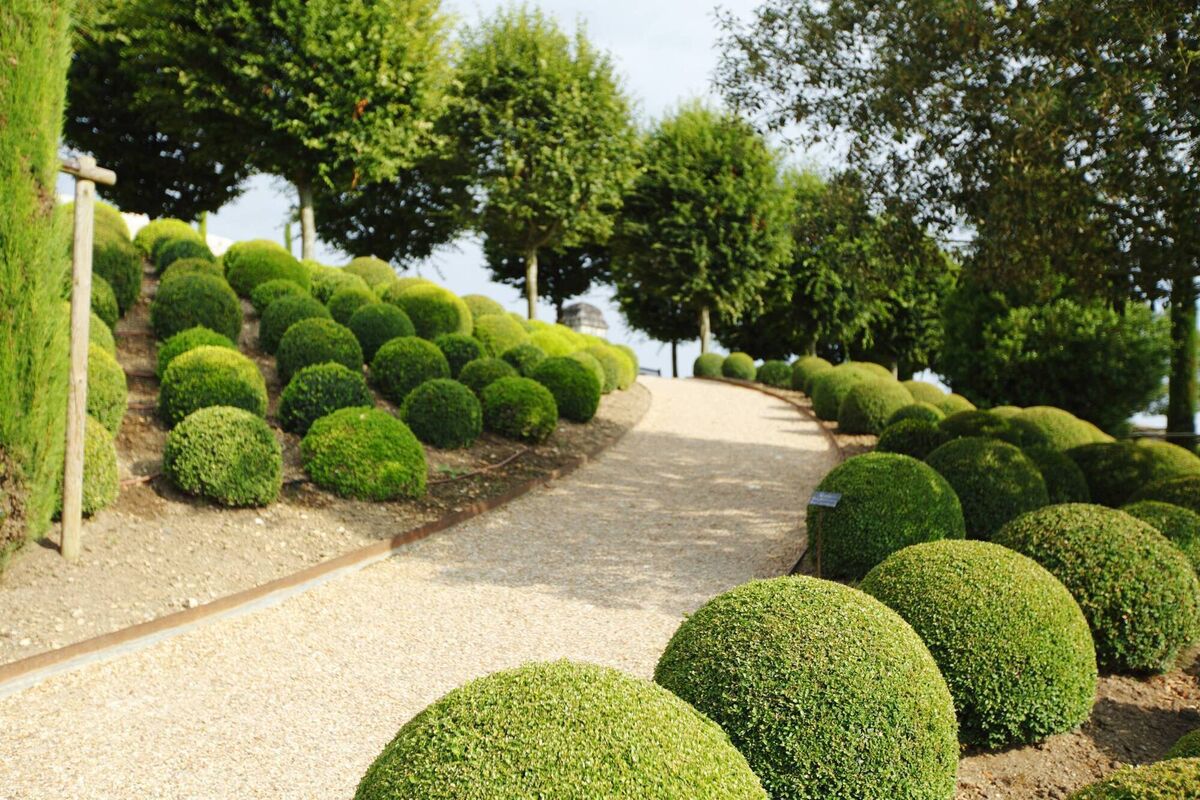
On the other extreme, boxwood is grown for its dense, evergreen foliage and very slow growth habit, making it an ideal choice for low, formal hedges and topiaries. It prefers well-drained soil and partial shade to full sun. Depending on the variety, boxwood can grow three to six inches per year and can be maintained at anything from 1-4 feet.
For me, there is something quintessentially classical about a yew hedge. Their dark green foliage and tolerance to pruning make them a great option for formal or informal hedges. They prefer humus-rich, well-drained soil and partial to some shade. Yews typically grow 6-12 inches a year, eventually reaching heights of 6-20 feet with a spread of 2-10 feet.
Holly is another slow-growing option which will offer year-round interest with glossy, spiny leaves and bright red or yellow berries, depending on the species. They prefer well-drained soil and full sun to partial shade. Holly plants can grow 6-12 inches per year, and can easily be maintained at 3-10 feet high with a similar spread.
- Got a gardening question for Peter Dowdall? Email gardenquestions@examiner.ie
CONNECT WITH US TODAY



Be the first to know the latest news and updates