Civil servant accused of passing confidential Government information to foreign intelligence service
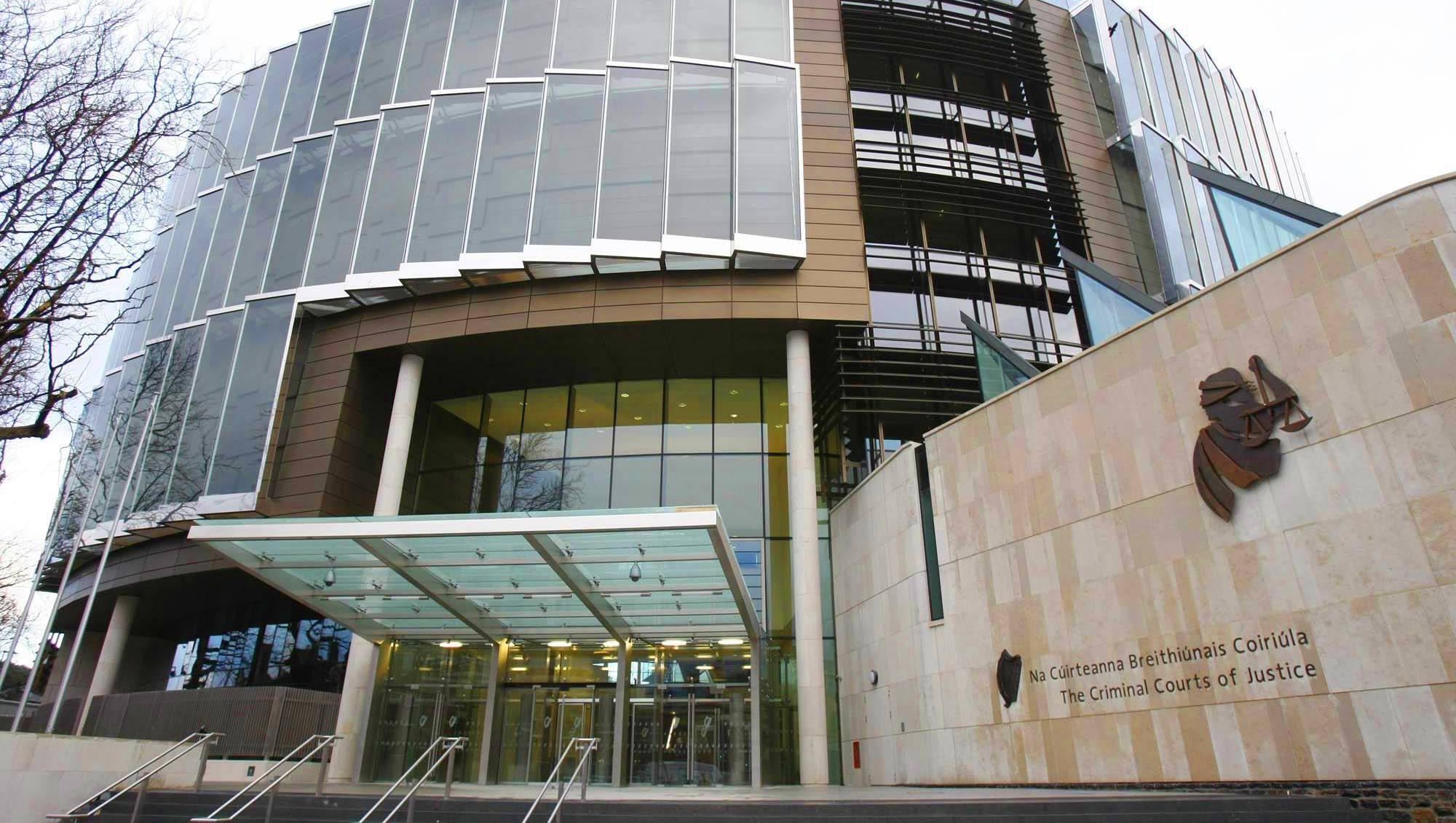
Dublin District Court was told the information posed a 'potential risk to the Irish State'. File picture
An employee of a Government department is accused of supplying official information — including personal details of a “high volume” of staff — to a foreign intelligence service.
Dublin District Court was told the information posed a “potential risk to the Irish State”.
Yevgen McKeeffe, an Irish citizen originally from Ukraine, was arrested at Dublin Airport last Thursday by the Garda Special Detective Unit (SDU).
The 45-year-old, who lives in Dublin, was about to leave the country on a one-way ticket.
The SDU, the force’s State security unit, arrested him under the Theft and Fraud Offences Act 2001 and the Official Secrets Act (OSA) 1963.
Officers confiscated €5,600 in cash that he was carrying and seized his mobile phone for examination.
The accused, who changed his name in Ireland by deed poll to Eugene McKeeffe, told officers he was travelling to visit his family in the Donbas region of eastern Ukraine.
Appearing in court on Friday, Detective Sergeant Shay Palmer of the SDU said the accused was charged under Section 9 of the Theft and Fraud Offences Act, relating to accessing a computer for unlawful gain.
He said a conviction on indictment carries a potential sentence of up to 10 years.
Det Sgt Palmer told Judge Máire Conneely there was the possibility of further charges under the Criminal Justice Corruption Offences Act and the Official Secrets Act.
Mr McKeeffe has not yet indicated a plea.
During a bail hearing, Det Sgt Palmer said gardaí were objecting to bail.
He said the objection was based on the seriousness of the offence, the nature and strength of the evidence, and the significant admissions allegedly made by the accused during interviews.
The detective said the SDU had launched an “intelligence-led” investigation into Mr McKeeffe a week ago. He said the accused was an employee of a Government department, where he worked in the technology section.
The SDU officer said the charge related to obtaining, transferring and communicating data from the department to a “foreign intelligence service” for personal gain.
He said the accused intended to leave the country last Thursday, travelling to Turkey before continuing to his final destination to meet a contact and “share confidential information” that was of “potential risk to the Irish State”.
Det Sgt Palmer said the accused was arrested for offences contrary to both the Theft and Fraud Offences Act 2001 and the Official Secrets Act 1963.
He said the SDU searched the man’s home in Dublin and his office in the department.
Along with his mobile phone, laptops from his home and a desktop computer from his office were seized for technical examination.
The detective told the court the accused had previously travelled out of the country under different names. In total, he had five names and three different passports.
The SDU officer said the accused made significant admissions during interview following his arrest.
He told interviewers he had accessed the department’s portal page, organisational structures and personnel Excel files relating to staff.
Det Sgt Palmer said the accused claimed he photographed the material and “sent to his handler”, mostly through the encrypted messaging app Telegram on his mobile phone.
He also allegedly took videos of various website banners associated with the department and sent them. Material was also allegedly transmitted from his laptop.
The court heard that money in a foreign currency, equivalent to €360, had been paid into his mother’s account and that his return flight had been paid for.
Det Sgt Palmer said a preliminary examination of the accused’s mobile phone by the Garda National Cyber Crime Bureau had identified two sets of information that corroborated his admissions.
He said the accused had signed the OSA on becoming a civil servant, which he said he had “clearly breached”.
Solicitor Peter Connolly, for the accused, said the nub of the allegations was the disclosure of a directory to a third state, a proposition with which Det Sgt Palmer agreed.
Asked about the importance of the directory, the detective said it contained “significant details of a large number of people”.
Mr Connolly said his client was single, had no previous convictions, had lived in Ireland since 2002, had obtained Irish citizenship and had worked in two Government departments. Det Sgt Palmer agreed.
He said Mr McKeeffe had not travelled back to the area where he was born for 15 or 16 years, although Det Sgt Palmer said he did not have full travel details.
Regarding the cash Mr McKeeffe was carrying, Mr Connolly said he was travelling primarily to visit family, including his elderly mother, and wanted to undergo some healthcare treatment. Det Sgt Palmer agreed that Mr McKeeffe had said this.
The SDU detective said there was a “huge body of work” to be completed regarding the accused’s finances, adding there were “huge questions” about them.
He said the accused was only an executive officer in the civil service, which he described as “not massively paid”, yet owned a house with a mortgage in his sole name. In addition, he was carrying a “substantial amount of money” at the airport.
Mr Connolly said one of his client’s passports contained his birth name and that a second was his Irish passport.
He said the accused also held a passport issued by a foreign state, which he required to travel home to visit family.
Mr Connolly added there was “nothing misleading” about the passports. He said his client had changed his name by deed poll to use an Irish name, Eugene, instead of Yevgen.
The solicitor applied for bail on stringent conditions, stating that Mr McKeeffe had strong ties to Ireland, including his home, mortgage and pension.
Det Sgt Palmer disagreed, saying there was a “significant” flight risk because the accused had five names, three passports and no familial connection or partner in Ireland.
Mr Connolly argued the case would likely proceed at a higher court level and that, if bail were refused, Mr McKeeffe could be remanded in custody within the overcrowded prison system for up to two years. He added that his client enjoyed the presumption of innocence.
Mr Connolly also sought reporting restrictions on his client’s name, address, the name of the department and the identity of the third country involved.
When asked by Judge Conneely what reporting restriction he sought, Det Sgt Palmer requested that the foreign country not be identified.
Judge Conneely directed the media not to name the department or the state concerned and not to publish the accused’s address.
In the interests of justice being administered in public, she imposed no restrictions on publishing the accused’s name.
She refused bail, citing the seriousness of the offence, the nature and strength of the evidence, the admissions allegedly made by the accused, and the fact he was attempting to leave the jurisdiction when arrested.
The judge also referred to the four other names allegedly used by the accused, noting explanations had only been provided for two of them. Judge Conneely further noted that Mr McKeeffe was travelling on a one-way ticket.
She found that he posed a flight risk and refused bail.
The judge granted legal aid.
The case will return before Cloverhill District Court next Tuesday.

CONNECT WITH US TODAY



Be the first to know the latest news and updates