Resin, rubber and cork floors: 'Cool, quirky and easy to maintain'

Elite Crete Systems resin marbled floor.
Walk into any flooring shop in the country and you’ll be greeted with rows of carpet, tiles, various types of wood, laminate, and maybe even lino or luxury vinyl tiles (LVTs). I have covered these in detail in previous articles, but recently I was browsing January’s edition of and came across the most beautifully designed Parisian apartment with resin flooring (owned by designer Julien Sebban and his husband, Jonathan Wray).
This got me thinking about some of the quirkier flooring materials available for those of us who like to stray from the beaten path.
It turns out there are plenty on offer outside of what we might see in the shops, all with varying benefits and aesthetic appeal. Here are three of the coolest alternatives I have seen.
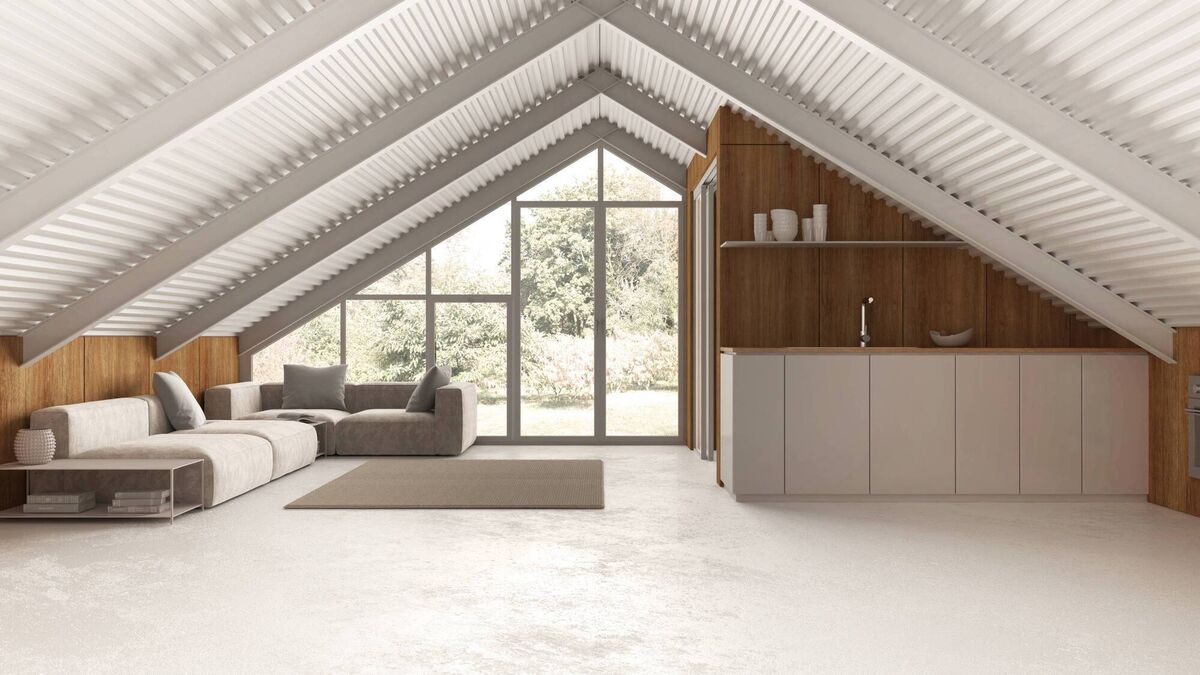
Resin flooring has traditionally been used in industrial settings, as it is incredibly durable and hygienic. It installs quickly and requires little to no maintenance. It is highly heat resistant, waterproof, and customisable — for instance, anti-slip surfacing in hospitals. It’s effectively poured on as a liquid and brushed smooth, so it sets perfectly level. It’s also affordable, and it can be used indoors or outside in your garden. I mean honestly, I don’t know why we’re all not using resin flooring for everything.
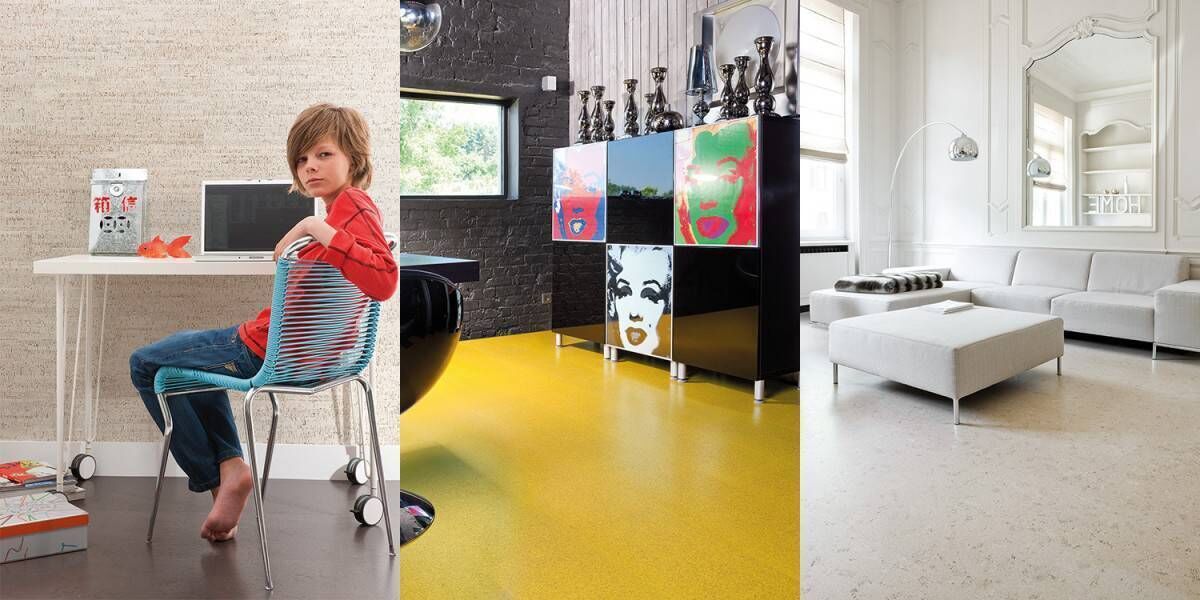
You will have seen resin flooring many times, in canteens, hospitals or other industrial areas, and most likely ignored it every time as it’s usually grey and horribly dull. But Julien and Jonathan have completely reimagined it in their beautiful Parisian apartment and have simply added dyes to create striking patterns throughout their colourful home.
It’s such an inspiringly creative departure from the norm that I’m close to ripping up my own perfectly lovely LVT floors and trying it myself. It turns out it’s stupidly easy to add dye to resin, meaning you can easily create any flooring you want — your imagination is the only limit. You can even add metallic dyes for extra sparkle, should you so choose.
Elite Crete Systems resin floor, plain white.
Rubber is a bit more expensive than resin (though still very affordable), but is similarly durable and hygienic. What I love about walking on it is that it’s warm and slightly soft — it’s not very noticeable, and certainly not so much that walking is difficult, but enough to give a pleasant feeling underfoot.
Rubber flooring works well in all areas including kitchens and bathrooms. Rubber can also be dyed, so is a good option if you’re looking for something outside the norm, but it typically comes in sheets so there are fewer options to go wild with creativity than with resin. (There is such a thing as liquid rubber, but I haven’t found a supplier in Ireland.)
I love rubber as an option in outdoor areas, such as patios or roof gardens— you may have seen it in use in children’s playgrounds for example, and it’s ideal for such a space.
My favourite usage of rubber flooring is in garden rooms where you might have a home gym or a music studio — its sound-dampening qualities make it perfect for these purposes.
For the sustainability-conscious among us, there are options available in natural rubber, a renewable raw material, though these are hard to come by, especially in Ireland. More easily found is rubber flooring created from recycled rubber — check out Laydex (laydex.ie) and Crean (crean.ie).
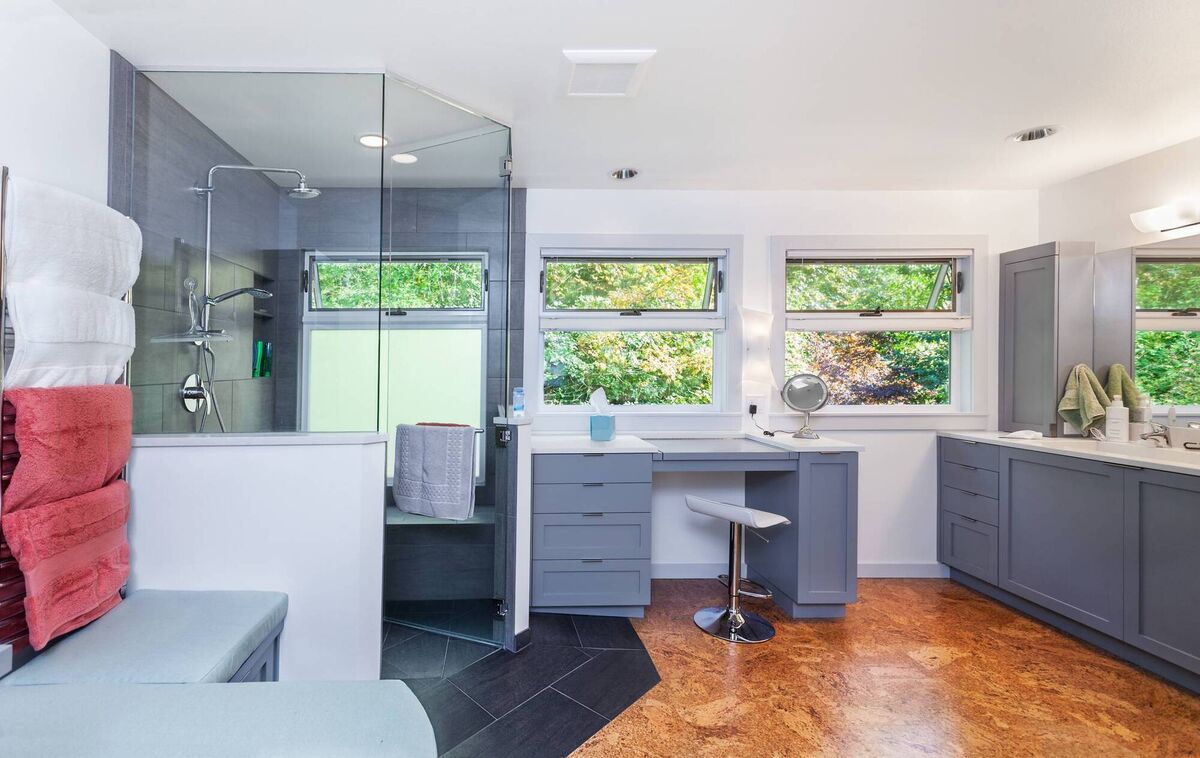
Cork is an excellent choice for sustainable flooring as it is made from bark, which can be harvested without chopping down the tree. Similarly to rubber, cork is warm and soft underfoot. In contrast to natural wood, cork is waterproof and highly durable. It is low maintenance, easy to clean, and also absorbs sound.
Cork flooring typically comes in tiles of various sizes, and the natural colour is just beautiful — a soft speckled wooden shade, which is ideal for hiding dirt! If you prefer a more traditional look, cork can be dyed and comes in planks or squares that look just like wood flooring or even traditional tiles.
I love cork flooring on the staircase — its neutral colour means it will work within a wide range of designs, and its softness and sound-absorbing qualities mean you won’t be listening to your co-habitants pounding up and down the stairs. I also love it in an entrance hallway, as a warm and soft welcome home after a long day, or in the kitchen as a durable and easy-to-clean alternative to laminate or tiles. Check out Natura (naturacorkflooring.ie) for a range of cork flooring options.
- Got a question? Email home@examiner.ie
CONNECT WITH US TODAY



Be the first to know the latest news and updates