Revealed: The viral spring cleaning trends to avoid
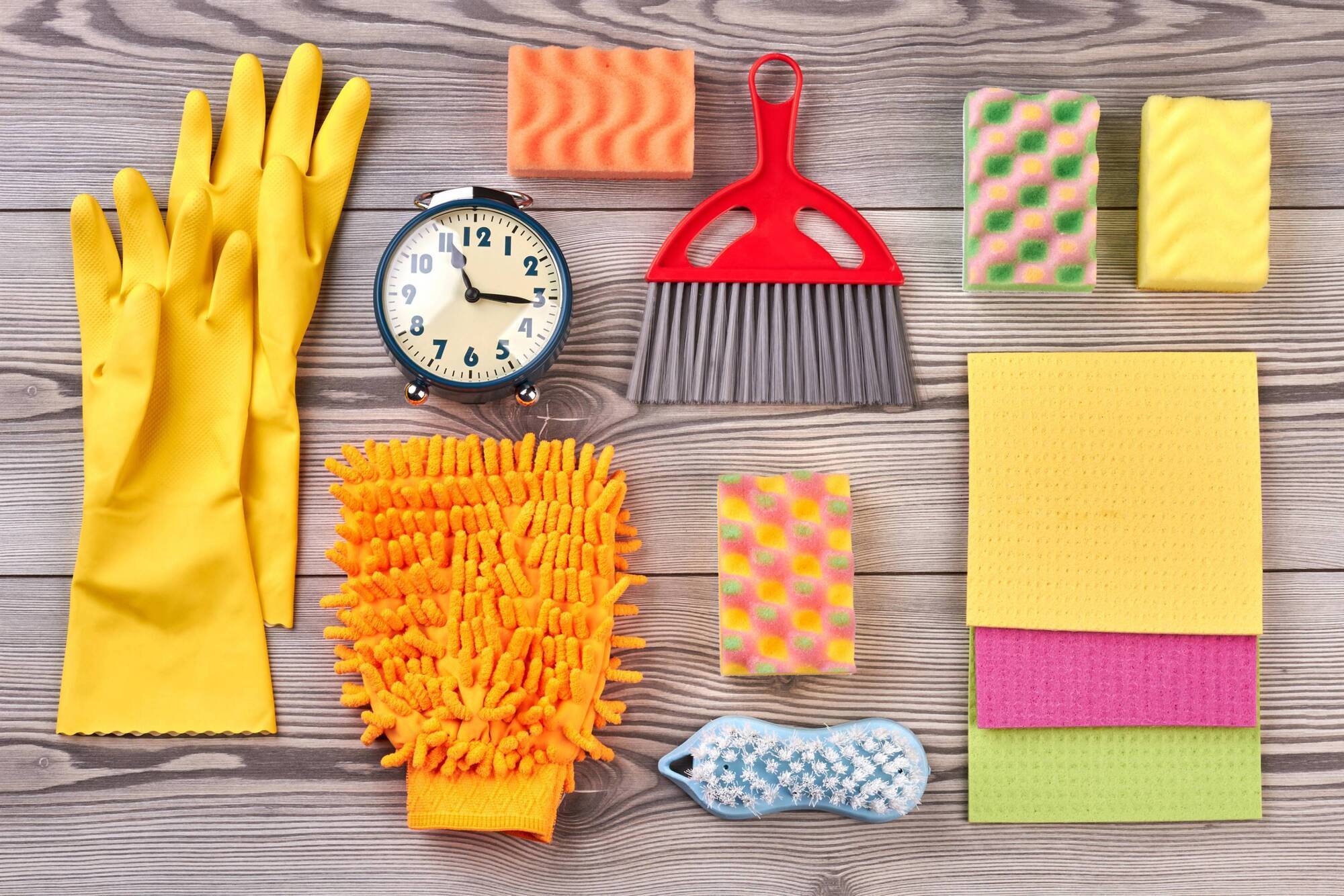
Often hacks popular on social media look like they produce amazing results — but do they all actually work? Pictures: Alamy/PA Alamy/PA
With spring cleaning season coming into full swing, it’s very easy to fall into the trap of #cleantok — TikTok’s fast-growing cleaning community.
And is it any wonder? Often hacks popular on social media look like they produce amazing results — but do they all work?
As it turns out, some could be causing more hassle than they’re worth — with bad habits surfacing among the good ones.
So what should we be steering clear of, as we don our rubber gloves to prep the house and garden?
Is it ever advisable to create a bubbling cauldron in our loo?
We have all seen those satisfying videos on TikTok whereby somebody uses 100 cleaning products in one single toilet bowl.
These create "a rainbow-fizzing display that Lush would be proud of”, according to Alison MacLean, who coordinates the show homes at St Modwen Homes in the UK.

However, as pretty as it can look, she says blending multiple cleaning products can be very dangerous — not only to the toilet’s surfaces but also to the person creating the concoction.
“Mixing these cleaners can result in the creation of toxic gasses which could be harmful if breathed in, so it’s safer to stick to one specific product per clean,” warns MacLean.
A common hack on TikTok is people using their mops to clean their walls, MacLean observes. “Whilst this handy hack might make dusting quicker and more efficient, it could actually lead to damp and mould," she adds.
When mopping the walls, the left-over moisture may soak into the walls, creating a perfect environment for nasties to grow and thrive, she says.
“This can be especially prevalent in new-build homes where the walls are more porous, or on wallpapered surfaces.
“So, if you are looking to cut down your dusting time, it’s best to use a dry mop base rather than one loaded with moisture and products — or simply invest in an old-school feather duster!”

Using lemon juice to clean bathroom surfaces has emerged as a real Cleantok hack.
“Whenever we see hard water stains, product build-up, or rusting on our chrome bathroom surfaces, often the first hack we think of is using lemon juice to remove it,” says MacLean.
“But, this should be used with extreme caution, as the acidity of this lemony fresh hack can cause some issues.
“Lemon juice can strip away the protective coating of the chrome, leading to flaking, peeling, and even rusting — putting you in a worse position than when you started.”
When cleaning chrome, it’s best to use a gentle detergent such as vinegar or dish soap, she advises.
So, should we ever use laundry pods to clean our floors?

“When it comes to cleaning floors, TikTok is full of hacks to get those tiles sparkling,” says MacLean. “One of the most popular methods is dissolving a laundry pod into your mop water, and using it as a cleaner.”
As she points out, laundry pods are naturally filled with detergents and enzymes to clean clothes; they are not formulated for use elsewhere.
“The ingredients in laundry pods will leave a sticky film on your floor, which will act as a natural dust magnet once dry.

“That said, the laundry pod concoction could potentially damage your flooring, as it could be soaked up into the textile and retained, possibly resulting in mould, mildew, and damp.”
She says to stick with a traditional floor cleaner product for best results.
Using ammonia-based products to clean outdoor furniture is another viral online hack.
“Wooden outdoor furniture, especially those made from acacia or eucalyptus, does require regular cleaning to ensure it stays in tip-top condition,” advises Andrew White from Harbour Lifestyle, a luxury outdoor living brand.
“However, using the wrong type of detergent can wreak havoc on your wood, causing cracks to form.”

White says to avoid products which contain ammonia — including some unsuspecting household furniture polishes and multi-surface cleaners — to swerve from unnecessary damage.
“Instead, use a mild dish detergent, warm water, and a cloth to regularly clean your wooden outdoor furniture — and avoid pressure washing at all costs.”


CONNECT WITH US TODAY



Be the first to know the latest news and updates