Revealed: The strategic plan for a winter garden that wows
Fionnuala Fallon wishes she'd planted more evergreen grasses, more decorative, sturdy evergreen ferns, and more resilient evergreen shrubs, climbers and perennials. File pictures
I can't remember who it was that said hindsight is a wonderful thing, but foresight is even better, but they must surely have been a gardener.
Because nothing teaches you humility in quite the same way that gardening does, from being routinely confronted with the horticultural errors of your past to wishing you’d planted that all-important tree or hedge a great many years earlier.
As autumn settles in, I personally regret the fact that my younger self didn’t plan as strategically as I could — and should — have concerning the number of evergreen species in my own garden.
I’m sorry, too, that I didn’t make enough of a concerted, sustained effort to consider how the latter might look in the bleakest days of deep winter, rather than at its summer peak.
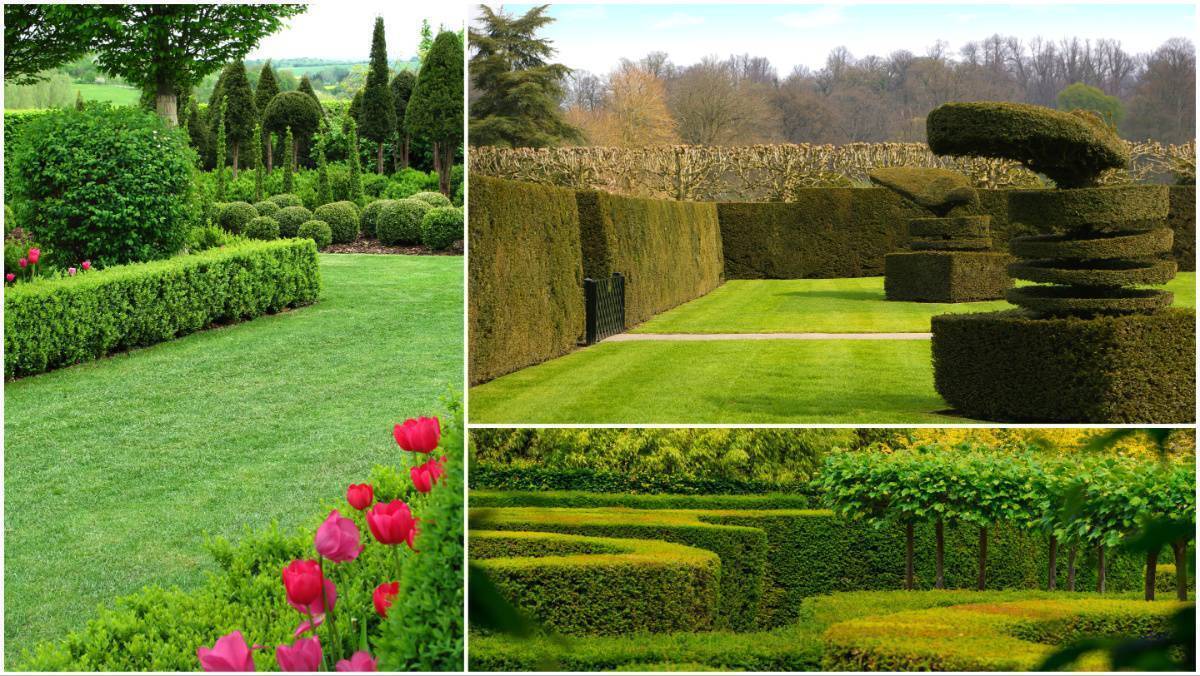
Stumbling recently across photographs of the English topiary artist Charlotte Molesworth’s remarkable garden in Kent, I’ve been reminded — yet again — that time is the one ingredient you can never have enough of when it comes to plants.
How I wish my younger self had asked for bare-root yew trees as wedding gifts, just as Molesworth and her husband did as a young couple back in 1983, so that I too could perch elegantly on a high wooden ladder as an older woman and clip them into all kinds of fantastical shapes.
With hindsight — or possibly foresight — I now finally see with an almost painful clarity how planting a well-situated, evergreen yew hedge would very effectively screen off ugly views in my country garden while counterbalancing the visual weight of the two old beech trees that greet visitors at the end of our little farmhouse’s curling avenue. That I’ll now have to wait at least a decade for this hedge to do its job properly is on me, or at least on my younger self. In this sense, hindsight is not so much a wonderful thing as an irritating one.
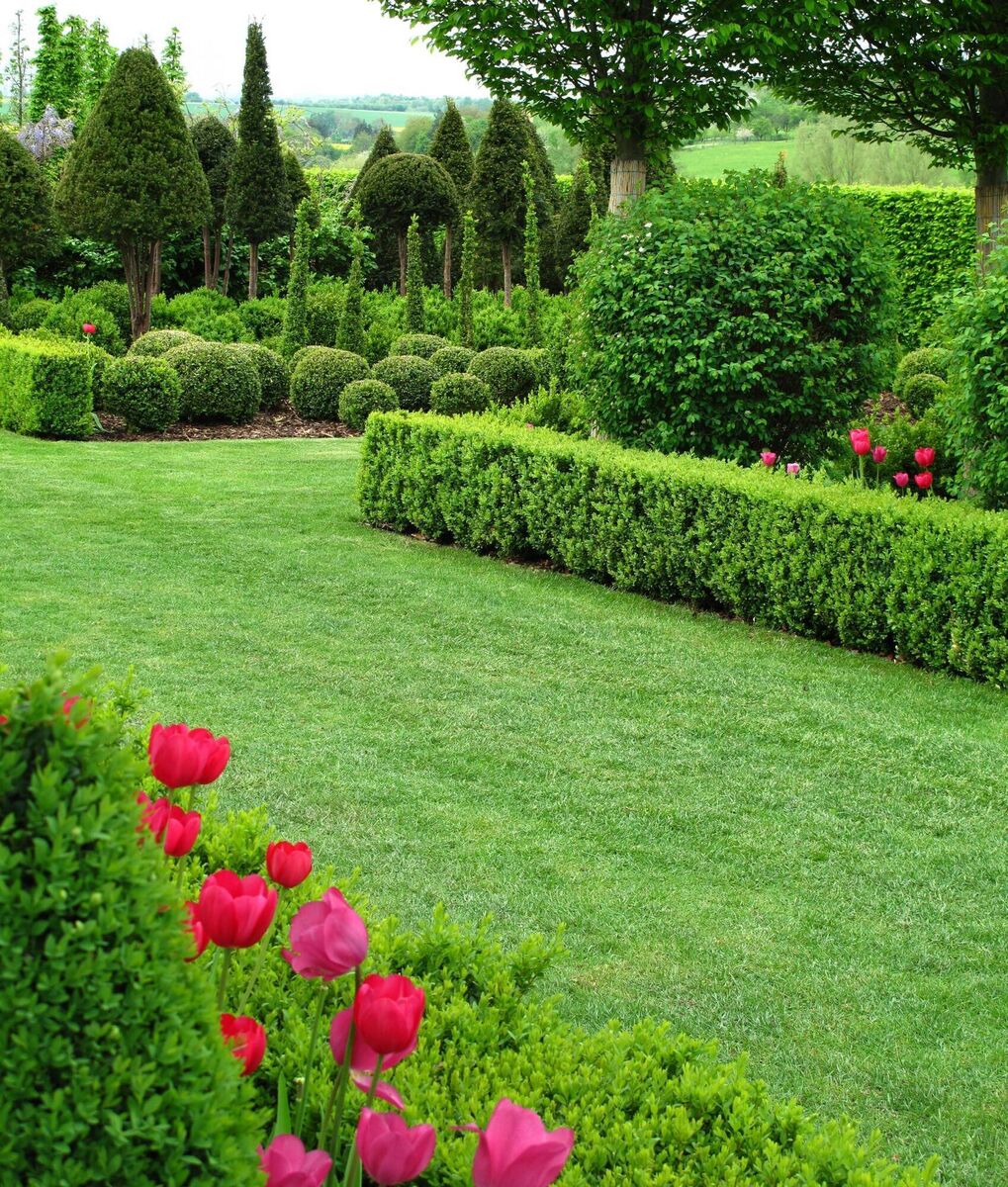
Puzzling over how to visually anchor that same little farmhouse in the wider, wilder winter landscape of rural Ireland, I’ve also finally concluded that planting more columnar and clipped yew trees in the grassy meadows around it would be the best solution.
And that a few handsomely clipped yew balls, this species being invulnerable to the destructive pests and diseases that have befallen buxus or box in recent years — would work very well planted into the beds next to the front door for the very same reason. It’s just that, in hindsight, I wish I’d come to these conclusions a little sooner.
Likewise, I’ve realised with a pang of both regret and excitement that my garden needs more handsome evergreen grasses, more decorative, sturdy evergreen ferns, and more resilient evergreen shrubs, climbers and perennials. That our Irish winters are just too long and grey without lots and lots of them. The fact that this should have already been blatantly obvious is, in hindsight, quite baffling.
On the other hand, if there’s one great advantage of hindsight, it’s that it teaches us foresight. So, when I do finally plant those yew trees, yew balls and yew hedging as bare-root specimens this November — many years later, admittedly, than I could and should have — I’ll make sure to do so very carefully, in a way that my younger self might not have.
I’ll choose good specimens from a reputable nursery, grown with knowledge and care, whose root systems are already well developed. I’ll handle them with respect, protecting those same vulnerable root systems against bright sunshine or drying winds that would harm them before I get them in the ground.
I’ll make sure the soil is fertile, friable, generously enriched with well-rotted manure and sufficiently well-drained, all prerequisites for this handsome, elegant, evergreen conifer which likes a rich, deep soil and hates its roots to sit in wet ground. I’ll keep the plants watered during periods of drought, and feed and mulch them in spring. As they grow, I’ll keep them carefully pruned and shaped as required, so that they grow stoutly, steadily and sturdily.
Hindsight sometimes being a painful thing, I’ll also make sure to plant these trees and hedging so that their root systems and leafy canopies don’t eventually create other problems as they develop, from potentially undermining drains or wall foundations to creating unwanted shade, obstructing access, competing with other plants, or obscuring valuable views. But with a firm eye to the future, I’ll also do my best to select positions where they can shine as they mature while adding to the overall beauty and winter structure of the garden.
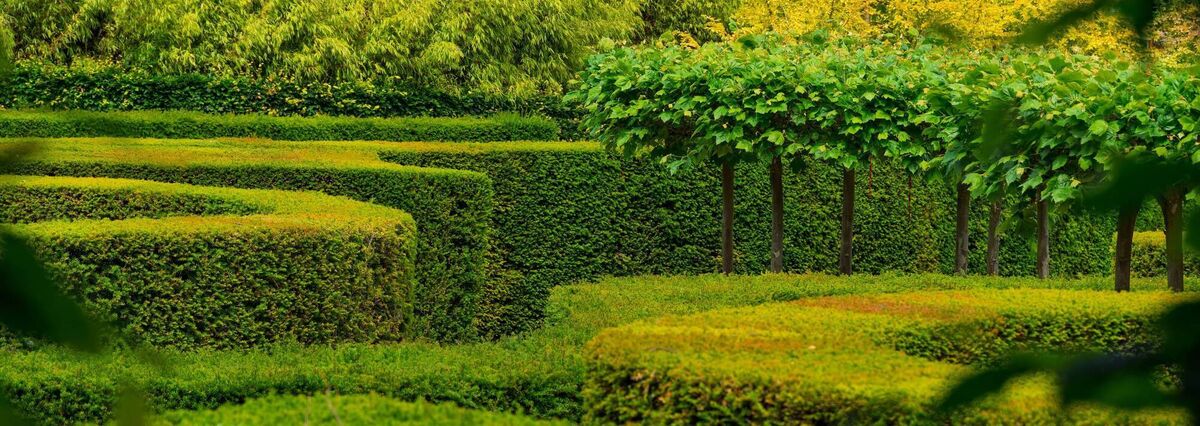
I’ll do all the above in the knowledge that yew is exceptionally long-lived, drought-tolerant, tolerant of heavy clipping, and native to Ireland, all excellent reasons why it’s a good choice for many Irish gardens. Finally, I’ll do so in the hope that one day, far into the future, someone might look at them with deep appreciation and wonder briefly about the person or persons who had the foresight — or should that be hindsight — to plant them.
Although things are undoubtedly slowing down in the flower garden as we approach late autumn, there are still some very useful, decorative flowering perennials and shrubs that can be used to provide valuable interest at this time of year. Examples include Verbena bonariensis; many kinds of Michaelmas daisies; sedum; nerine; Hydrangea paniculata; Abelia grandiflora; and Ceratostigma plumbaginoides or hardy plumbago.
· Continue to clear vegetable beds of spent summer crops and then mulch them generously to prevent weeds quickly colonising the bare soil. If you don’t have enough homemade compost, grass clippings or home-chipped green waste to do this, then consider using a high-quality commercial product such as Cork-based Gee-Up, which provides bagged, composted horse manure (Geeup.ie), or Meath-based Enrich (Enrich.ie), which is made from composted green waste materials.
Sunday, October 4 (2pm-6.30pm), Tilled Earth Project, Tonragee, Mulranny, Co Mayo, ‘How to Start a Fruit Garden’, a half-day practical workshop and study tour with organic gardener and author Klaus Laitenberger, €80 including supper; see Greenvegetableseeds.com.
CONNECT WITH US TODAY



Be the first to know the latest news and updates