Prolongedpuberty may be key to a long life
“Life is but a temporary reprieve from death,” declared Simone de Beauvoir in her memoirs. But why does the length of the reprieve vary so much between species?
According to one theory, a heart beats 800 million times. Then, worn out, it stops. The smaller a creature is, the faster the beat. A mouse, clocking up 500 thumps every minute, is lucky to reach the age of two, whereas a bowhead whale, with a pumping rate in single figures, may celebrate its 200th birthday.
The cardiac wear-out idea is flawed, but lifespan does seem to be related to body size; big creatures generally live longer than small ones. Time seems to flow at a different pace depending on an animal’s size. So does metabolism, the rate at which energy is used.
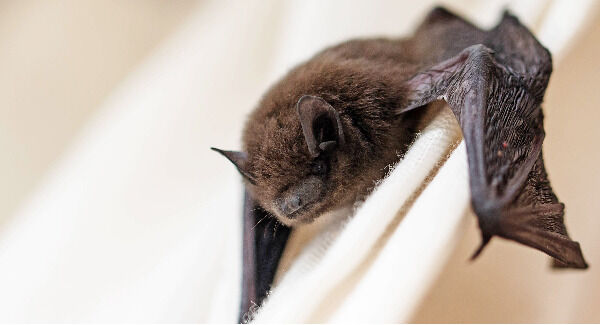
But linking life-expectancy to size is problematical. The pearl mussel of Irish rivers can live for over a century but its distant cousin, the giant squid, is lucky to reach the age of three. Small bats have life-spans an order of magnitude greater those of mice.
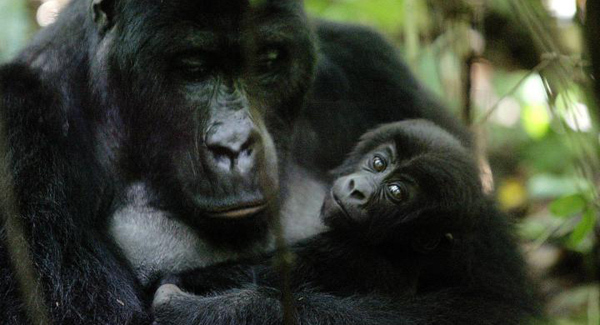
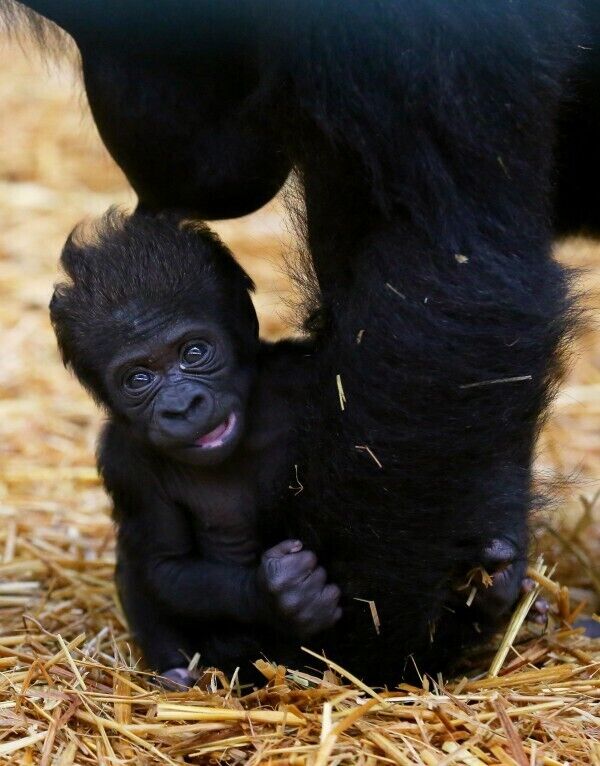
Gorilla’s bodies are much bigger than ours, yet their life expectancy is much lower. Something other than body size must be involved.
The onset of an animal’s sexual maturity depends on its age. Humans, however, are a ‘special case’; we have a much more extended childhood and adolescence than other primates; it takes a decade and a half to raise a youngster. But if size and metabolic rate don’t account for the long childhood, what does? And there’s another oddity; we are one of only three species known to undergo menopause.
Now, a new theory has emerged. Suzana Herculano-Houzel of Vanderbilt University, writing in Journal of Comparative Neurology, claims that longevity, in warm-blooded creatures, depends mostly on the brain. The crucial factor, her research revealed, is the number of neurons in the cerebral cortex, the tightly packed covering of ‘grey matter’, to the front of the brain, which plays a crucial role in self-awareness speech and problem-solving in humans.
Herculano-Houzel examined the longevity records of over 700 warm-blooded species and compared them to the number of neurons in their brains. She found that the potential lifespan of an animal is related to the number of cells in the cortex. Body size and metabolism account for only 20 to 30% of life expectancy. The size of the cortex determines around 75%. Humans, she says, ‘reach maturity and subsequently live just as long as expected for the number of their cortical neurons’.
The more neurons an animal needs to reach its peak development, the longer it takes to develop them. The delay in reaching maturity postpones the onset of aging
Extending the period of childhood and adolescence, in an uncertain world, is risky but there are advantages in doing so. Postponement allows opportunities for prolonged learning, cultural transmission and social development, so crucial to the spectacular success of our own species. The more knowledge and social know-how a youngster takes on board, the better its chances of survival and success in life are likely to be.
The theory helps also to account for the menopause. The nurture and caring by grandparents, during the long delay to the onset of puberty, provide security to a youngster and enhances his or her education. Grannies are a valuable component of the survival equation.
Suzana Herculano-Houzel. Longevity and sexual maturity vary across species with number of cortical neurons, and humans are no exception. Journal of Comparative Neurology. 2018.

CONNECT WITH US TODAY



Be the first to know the latest news and updates