Barn owl shows varied diet
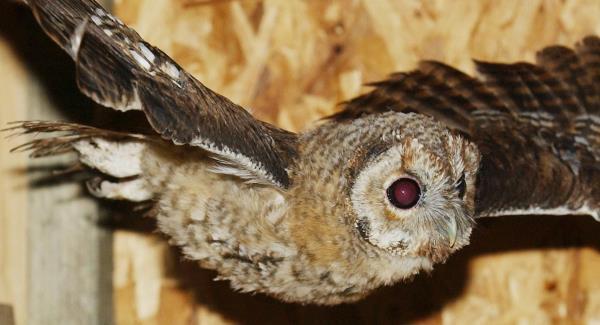
Rats and mice, which the barn owl is believed to often eat with fatal consequences, may no longer be the main diet of the endangered bird of prey, new research shows.
A study by Co Cork naturalist Patrick Smiddy has found the greater white-toothed shrew and bank vole make up 86% of the barn owl’s menu, with field mice accounting for 10% and rats 3%.
Previous research here and in Britain showed rats and mice formed a major part of the owl’s diet and it can die after consuming poisoned rodents, a fate also suffered by kestrels and red kites.
Research in 2013 by Birdwatch Ireland and UCC revealed more than 80% of dead barn owls had digested toxic chemicals. The Barn Owl Trust recorded similar results in Britain.
The belief was that, in Ireland at least, native species of brown rats and house mice made up the lion’s share of the owl’s diet because it had much fewer smaller mammals to prey on. However, Mr Smiddy’s research, in rural north Cork, finds the barn owl can go a la carte.
Invasive small mammals dominate the diet. He identified 509 prey items from 94 owl pellets.
He has carried out several long-term studies of birds and mammals and the results of his latest work are published by the Royal Irish Academy in its journal, Biology and Environment. Sometimes non-native species are seen as a threat to our nature, but this study proves resident species, such as barn owls, can take advantage of changed
conditions presented by new arrivals.
The red-listed barn owl, which is is very sensitive to environmental change, was widespread here in the 19th century but is now largely confined to the south-west and Midlands.
Mr Smiddy’s two-year study shows the bird is adaptable in its food choices, depending on prey availability rather than on whether the prey is native or invasive.
It also shows many species are flexible enough to cope with significant changes in habitat and food supply. Mr Smiddy suggests shrews and voles — not available everywhere — may be easier to catch than rodents. The owl however, will prey on rodents when they are available and in the absence of other prey.
Usually seen after dark, the barn owl can flick past you in the night sky like a ball of white fluff, almost ghostly. Some are killed by road traffic, while poisoning from rodenticides has also been regarded as a key cause of death.
In the past, some farmers, seeing the barn owl as their friend, provided owl holes in outbuildings. Research has found that voracious hunters like a breeding pair of owls can dispatch over 2,000 rats and mice in a year.

CONNECT WITH US TODAY



Be the first to know the latest news and updates