Martin Heydon to assess pressures and dangers arising from dry weather following death of Dunmanway farmer
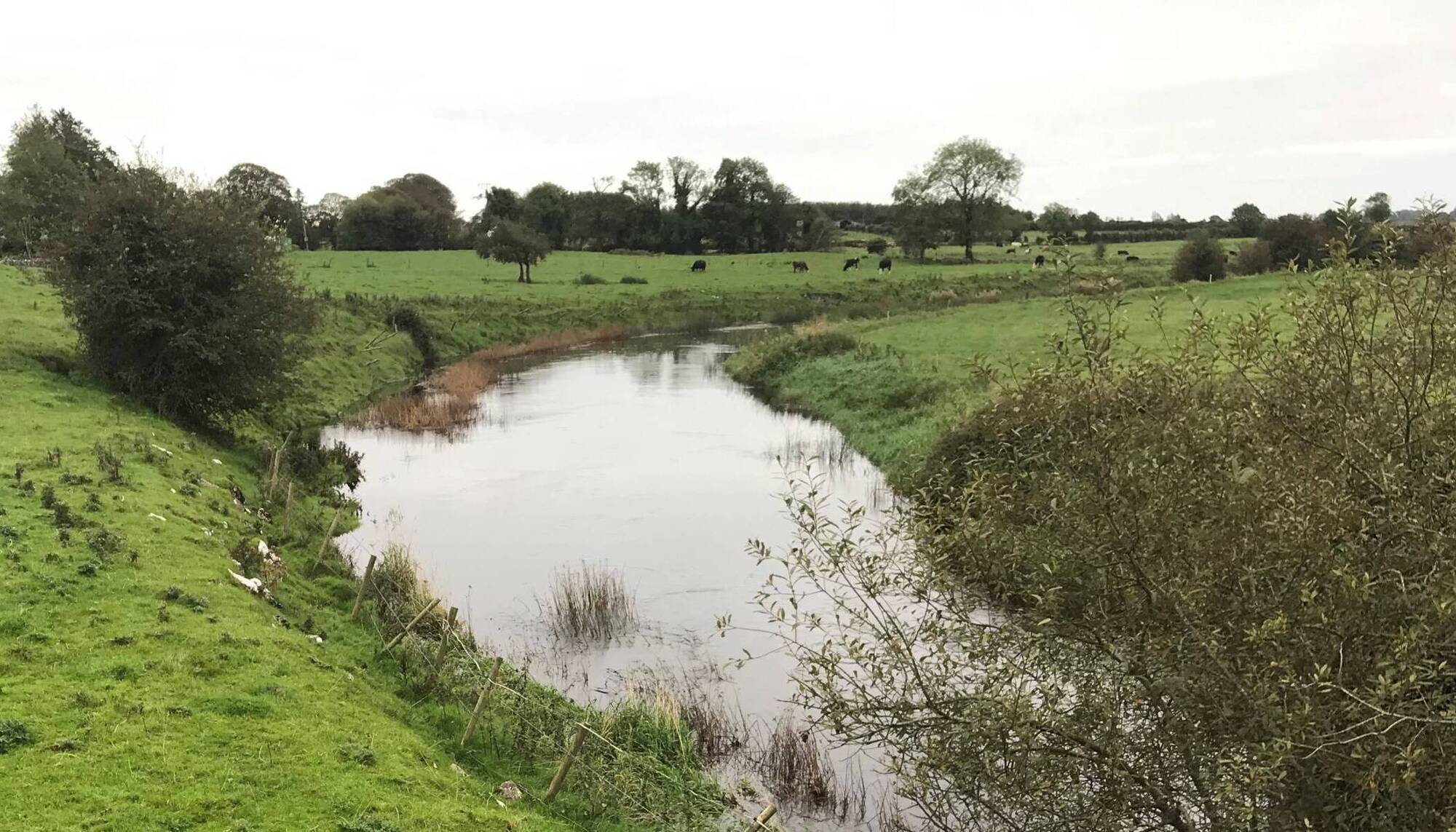
Alice Doyle said that while many farms have their own wells, they can run dry, forcing farmers to look elsewhere for water for their animals. File picture
The farmer who drowned while trying to get water from a local river for his cattle has been described as a “genuine, salt of the earth” man who was extremely hard working.
Eugene McSweeney had a dairy farm in the Dunmanway area of West Cork.
Mr McSweeney, who was aged in his 50s, was found in the River Bandon at Dunmanway, Co Cork, on Wednesday evening.
Gardaí and emergency services were called to the scene, but he was pronounced dead after being removed from the water.
"He went into the river to get water for his animals, but as the water levels had dropped so much [with the dry weather] he went in much further than he usually would. He slipped into a 3m hole and could not get out," a source said.
Mr McSweeney will repose at O'Neill's Funeral Home on Sunday from 6pm to 7.30pm. Requiem Mass will take place at St Patrick's Church, Dunmanway, at 11am on Monday, before burial afterwards in St Joseph's Cemetery.
Agriculture minister Martin Heydon is to meet with farm organisations next week about the pressures farmers are facing due to the dry weather.
Read More
He is working with all stakeholders to assess the current situation with a view to deciding the appropriate steps to help alleviate these challenges, a spokesperson from the Department of Agriculture said.
Last year, 24 people tragically lost their lives in incidents on Irish farms.
The HSA has confirmed two farm fatalities this year and is also investigating a number of recent fatal incidents on farms.
Grant aid is available for investment in solar powered water pumps and nose pumps to facilitate water extraction from rivers, the Department of Agriculture said.
Tadgh Healy, Irish Farmers Association (IFA) representative for West Cork. said Mr McSweeney's death was “a desperate tragedy”.
“This poor man was trying to mind his livestock. The extended dry period has been putting pressure on the public water supply and when the weather changes like this people are forced to change their routines and they can then encounter new dangers,” Mr Healy said.
One of those new dangers farmers have encountered, including in tillage farms in Cork and Wexford, has been machinery catching fire due to the heat.
Alice Doyle, deputy president of the IFA, said there have been multiple cases of combine harvesters catching fire during the harvest, with fields of corn already lost to fire this year due to these sudden machinery combustions.
While the harvest is almost complete, fields of straw remain and baler machines have also been catching fire, alighting dry fields and straw in the process.
One farmer was badly burned while trying to detach a baler machine that caught fire from a tractor in Wexford recently, Ms Doyle said.
Famers operating combine harvesters or balers are advised to keep a silage tank filled with water in the field and to keep a cultivator nearby so they can cut a fire breaker quickly if necessary.
She said that while many farms have their own wells, they can run dry, forcing farmers to look elsewhere for water for their animals.
She advised any farmer extracting water from a river or lake to stop and think before going near the water. “No one knows where the floor is in a river and even lakes can have currents,"
Public water systems have been turned off overnight in parts of the east and south east of the country, putting farmers under more pressure to ensure that troughs are full for their animals overnight, she said.
A spokesperson for the Department of Agriculture said that the current weather is posing significant challenges to farmers across the country.
"Farm safety is a critical issue facing the farming community and is a priority for Minister Heydon and Minister [Niall] Collins who has responsibility for this area. The Department is implementing a range of initiatives to support investment in farmer safety and to promote farmer health and wellbeing," they said.
These include the TAMS3 Farm Safety Capital Investment Scheme which provides 60% grant aid for a wide range of farm safety related investments, a spokesperson from the Department of Agriculture said.


CONNECT WITH US TODAY



Be the first to know the latest news and updates