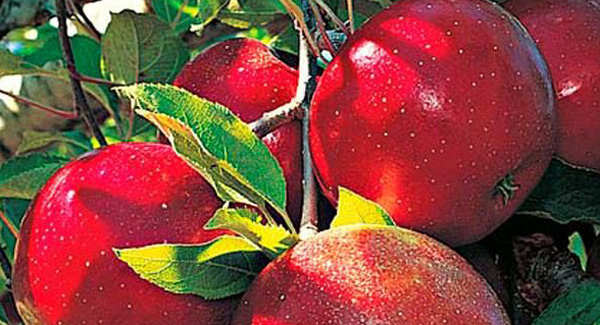
An apple a day...
If any root vegetables are still in the ground, now is a good time to lift them, as often the heaviest frosts occur in the earliest part of the year. Vegetables or fruit in storage should also be checked regularly in case of rot.
Now is a good time to take action if you are keen to plant some fruit trees or, if you have limited space, there are plenty of dwarf varieties available that will even grow in a large container.
Apples are one of the easiest top fruits to start with and they are well suited to our climate. This is a good time to buy young trees as it is the dormant season and they are sold bare-root which means they are cheaper than potted trees and are easier to transport and are often healthier stock.
It could be said that the hardest part of growing apple trees is actually choosing which varieties to grow. Due to their popularity, thousands of cultivars of apples have been bred for characteristics such as flavour and use, yield, pollination requirement, harvest season, storage ability, pest and disease resistance and suitability to local climate. Just like vegetables, my advice is to grow the variety you most like to eat, be that sweet, tart, crunchy or soft.
There are so many varieties to chose from that if you are really unsure, it could be best to ask around or hold off till next year and taste them in season before you buy your stock. It is worth visiting a good fruit nursery and talking through your wants and needs with an expert.
Most apple trees will not self pollinate so you will have to buy a couple of trees of different varieties that flower at the same time. If your neighbours have apple trees which are about 100m away, your problem may be solved before it has arisen, but if not, you will have to buy two or more trees depending on the variety.
‘Family’ trees are now being bred and these are trees that have two or more varieties grafted onto the one tree, which will pollinate each other.
Another important point to take into consideration when selecting apple trees is the rootstock. This is simply a readymade root base which varieties of apples have been grafted on to and it determines the size of the tree. Usually apples come in dwarf (M27), semi-dwarf (M26), and vigorous (MM111) trees. Smaller trees work best for containers and small gardens and with their shallower root systems, it is essential that they are staked when planting.
These smaller trees have the added benefits of fruiting earlier in life and ease of access to fruit, compared to vigorous trees which are best suited to traditional orchards and will not fruit until after three to four years.
Apples grow best in fertile, well-drained soil with a good depth, on an open site in full sun. They will benefit from a natural or man-made windbreak as shelter is needed. Shelter gives protection from damaging winds when temperatures are below freezing, protects spring blossom from dessication and increases incidence of bee activity for pollination. Frost pockets should also be avoided when selecting a site and a location near the house is advised for ease of picking.
Remember the golden rule for soil is never to dig if the ground is very wet. Dig a hole that is about twice as wide and twice as deep as the tree’s root-ball. For bare-roots, ensure the hole is wide enough to allow the trees roots to be spread out. Next, mix the excavated soil with well-rotted farmyard manure or homemade compost. Fresh manure is to be avoided as this will scorch the roots. Be careful never to cover the grafting wound with soil as this may encourage roots to set from the graft.
Now is also the time to stake trees while the hole is still open as this will prevent you driving the stake through roots and damaging them later. Having planted the tree, tread down the soil to ensure good soil/root contact and finally, water the tree well.
In the first years of growth the shape is determined by pruning. The main aim of subsequent pruning is to encourage good quality and quantity of fruit production.

CONNECT WITH US TODAY



Be the first to know the latest news and updates