Letters to the Editor: We fought Church, State, and my own mother to keep our son. We won
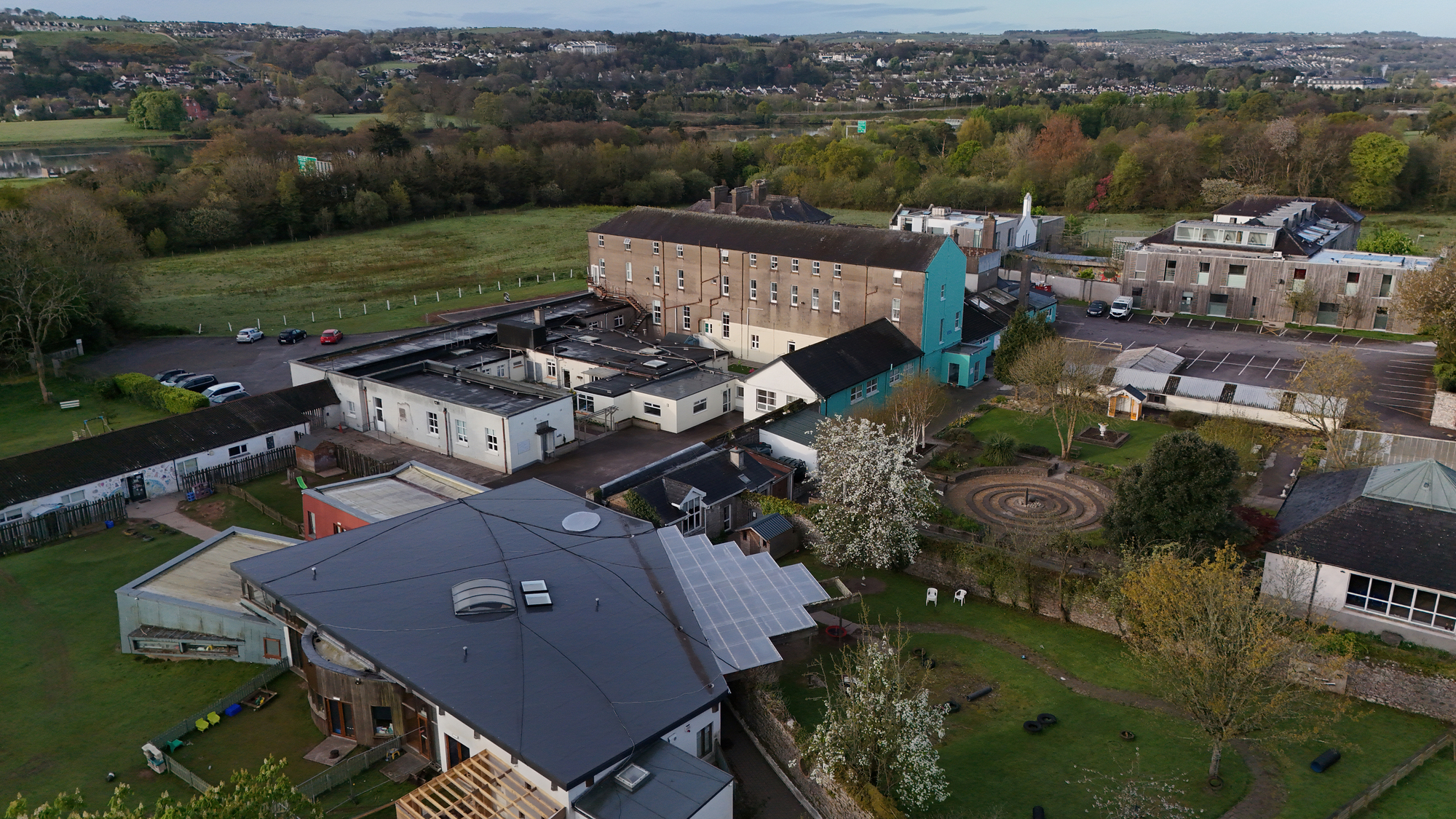
The former mother and baby institution premises at Bessborough, Blackrock, Cork. Irish Examiner Archive picture: Dan Linehan
This is my story about Bessborough.
Treassa’s journey to Ireland began in May 1984. By August of that year, she met Joe — the man who would become the love of her life and her protector.
In an attempt to force them apart, Treassa’s mother took a drastic step. In February 1985, two gardaí arrived at Joe’s house. While her mother watched from the front window, Treassa, just 15 years old, was forcibly pushed into the back of a Garda car and taken away to the Bessborough mother and baby home in Cork.
For nearly 12 weeks, the authorities hid her location. Joe walked to the garda station every single day, demanding answers, only to be met with stone walls. Refusing to give up, he returned to the desk and told the gardaí directly: If anything happened to Treassa or his baby, he would hold them personally responsible.
The threat worked. A phone call was made to a back room, and Joe finally learned where she was. Though he could not drive, Joe hit the road, hitchhiking nearly every day just to be near her.
Because of a court order preventing them from living together until Treassa turned 18, Bessborough became her prison from February 1985 until July 1987.
During this time, she was removed twice under harrowing circumstances — once by her mother, and once to Dublin to care for her sister’s child in an abusive household. After being assaulted there, she spent two nights in St Patrick’s mother and baby home in Dublin before being sent right back to Bessborough.
Just before Treassa was due to give birth, a severe incident in the Bessborough labour ward caused it to be shut down. She was transferred to St Finbarr’s Hospital, where her oldest son, Raymond, was born on 25 October. She was only 16.
Read More
A wall of nuns and social workers immediately pressured her to give Raymond up for adoption, going so far as to label him “illegitimate” on his birth certificate despite knowing Joe was the father.
They told her that her mother wanted the baby adopted out so they would never find him. Because they were unmarried, the system claimed Joe had no rights. But Treassa fought them all — and she won. She kept her son.
As punishment for her defiance, the nuns moved her to a tiny flatlet at the very back of the Bessborough grounds. Her ears still ring with the cruel words they spoke as they marched her down there: “Because of your baby, you need to be out of sight and out of mind.”
In July 1987, Treassa finally walked out of Bessborough for good. On October 2, 1987, she and Joe were married in the Cork City Registry Office. On 13 May 1993, just days before Raymond’s Holy Communion, they celebrated their love with a church service.
In a single hour, Treassa became a Catholic — receiving Baptism, First Holy Communion, Confirmation, and a marriage blessing all at once.
Because Joe stood as her godfather for the sacraments, she used to joke that he was truly trapped now and would always have to look after her. Joe’s reply was always the same: “Never ever, you are my precious woman.”
The family grew with the blessing of four more children. For Treassa’s 40th birthday, the couple travelled to Gretna Green to marry once again, planting a beautiful tree in their name to mark their enduring bond.
Treassa’s resilience did not stop in her youth. Despite having no formal school qualifications like the Junior or Leaving Cert, she taught herself from scratch and became a healthcare professional in a maternity hospital.
When Joe was diagnosed with vascular dementia — a battle that lasted the final 10 years of his life — Treassa became his devoted carer.
Even while working demanding 12-hour shifts at the hospital, she looked after him at home until the final eight months of his life, when his condition progressed to frontotemporal dementia, requiring nursing home care. Joe passed away peacefully on 26 May, 2024, leaving behind a legacy of absolute love.
I was emboldened to learn that the first statue to feature a female GAA player was unveiled recently at FBD Semple Stadium Thurles in Co Tipperary.
This sculpture was commissioned by Tipperary County Council, and depicts a male hurler and female footballer standing together but facing in different directions.
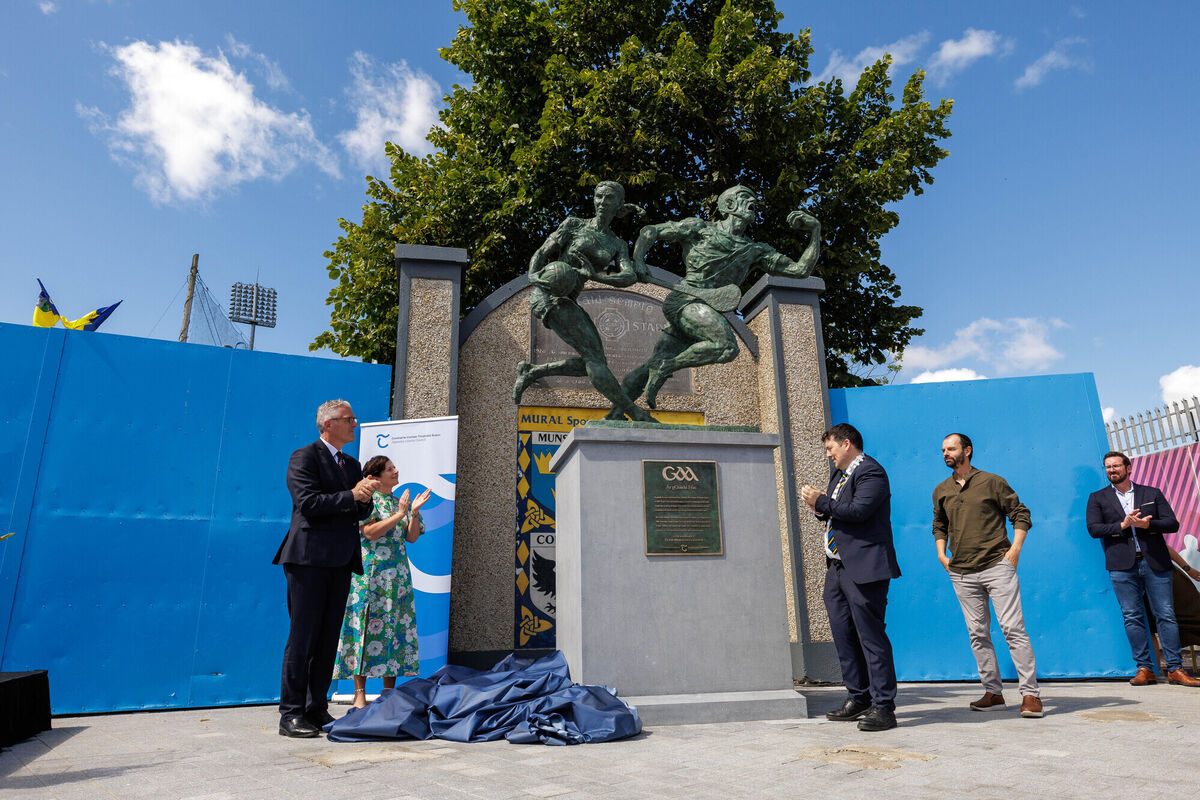
It’s titled Ár gCluichí Féin (Our Own Games). This marvellous carving now aims to celebrate the birthplace and legacy of the GAA.
This, for me, is a real avant garde move by the powers that be in featuring both a man and a woman in this amazing and excellent sculpture.
It’s reported that the people of the Tipperary County Council in Semple Stadium were keen on that. This sculpture is not just a historic piece, rather it’s a piece than represents the ongoing tradition of the GAA, allied to where the association is today.
The players are in modern kits and represent all the male and female participants of today’s GAA.
Female participation is very much part of the modern GAA, ergo this is why this sculpture is to me emblematic of the importance of female involvement in our national games.
I enjoyed reading Esther McCarthy’s 20th anniversary celebration of — Magic memories of Cork-set film, Irish Examiner, July 30).
And isn’t it great that a mention goes to the vastly underrated Neil Jordan’s which arguably put Cillian Murphy on the map?
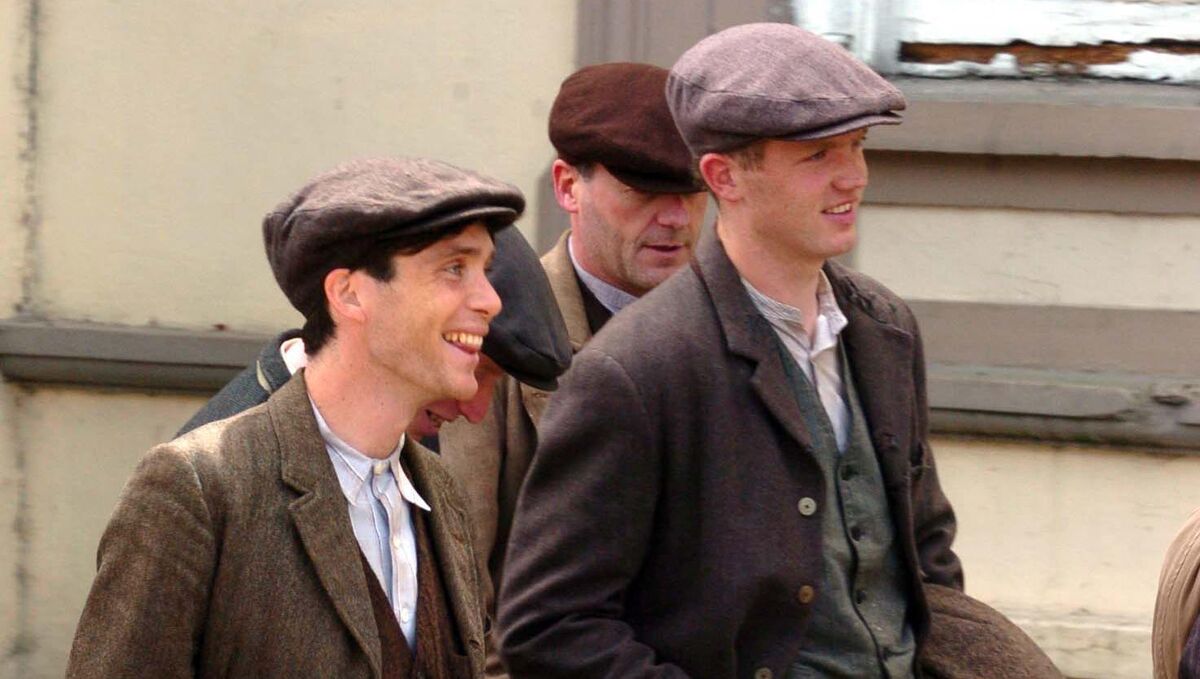
I was in Mallow during the summer and I came across a plaque at the filming location of Ken Loach’s and Paul Laverty’s masterpiece where it said it was the “Winner of the Palme d’Or award at the Cannes Film Festival 2006”.
Some 20 years ago, the Palme d’Or award, second only in importance to an Oscar, was probably unheard of around these parts. Ken Loach repeated the feat 10 years later with, , in 2016.
Loach is one of the all-time great film directors along with his loyal writing partner, Paul Laverty.
Cork was fortunate to have been chosen by this famous film duo 20 or so years ago and will forever be a testament to their genius.