Irish Examiner view: Criminals exploiting advances in technology 
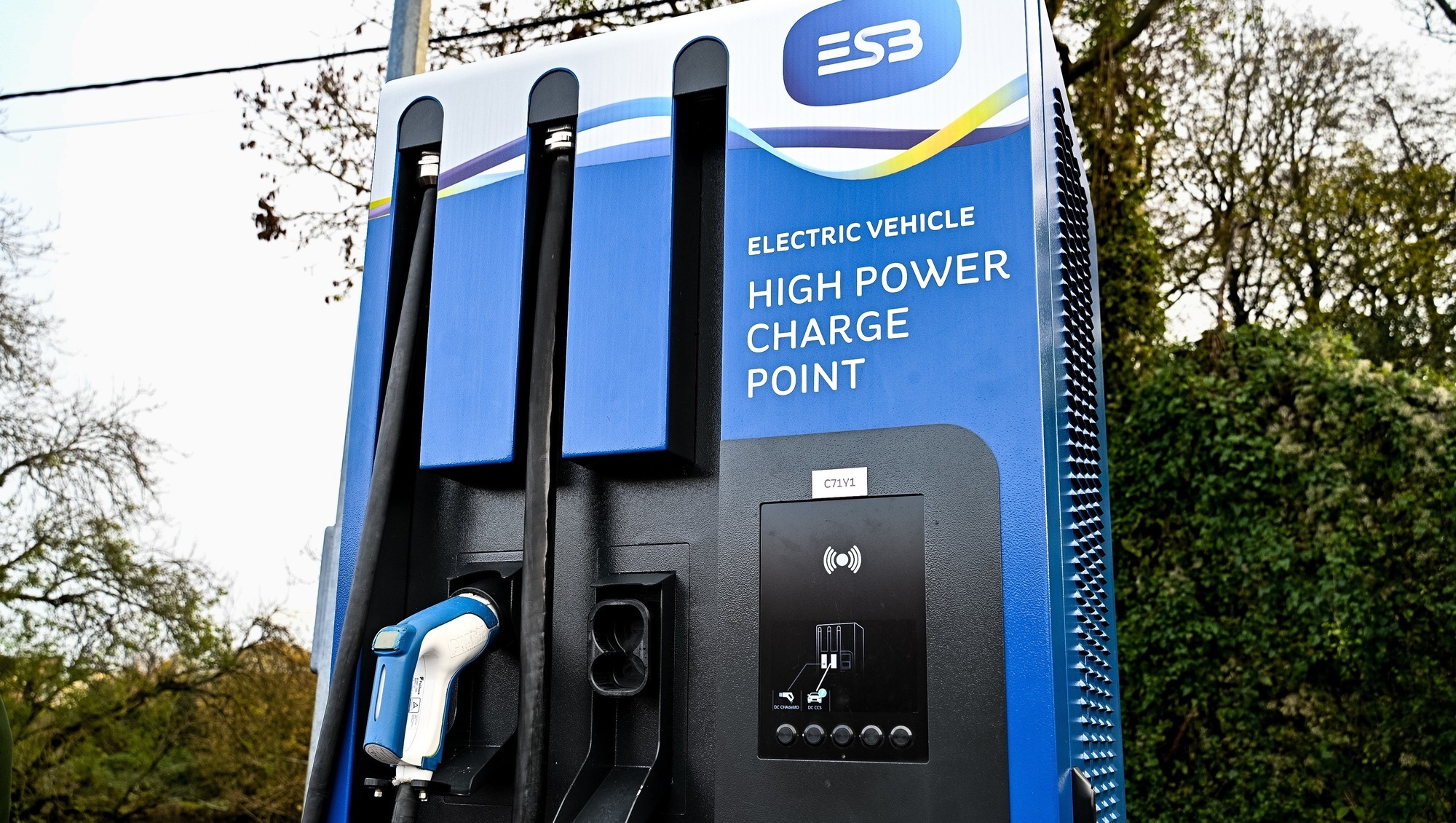
 An EV fast charger in the Rochestown Auto Centre, Cork. Picture: Chani Anderson

An EV fast charger in the Rochestown Auto Centre, Cork. Picture: Chani Anderson

One of the obvious disappointments of technological development is the way criminals embrace such progress wholeheartedly to fill their own pockets.

As soon as modern life produces some leap forward —the internet or the smartphone — then the boundless imagination of criminal gangs gets to work on reaping some ill-gotten gains.

This week, an Oireachtas committee heard EV charging groups detail the cost of repeatedly replacing charging cables because every weekend such cables are being stolen from sites all over the country.

Gráinne Ní Aodha reported in these pages that the EV Charging Alliance of Ireland stated that recent incidents affecting ePower and EZO had resulted in an estimated €100,000 in damage to their infrastructure.

To give an idea of the scale of the crime, one representative said a site in Ballina, Co Tipperary, was “hit and we reinstalled it and it was hit the following week”, adding that a couple of weekends ago, Tipperary was “practically wiped out” by cable theft.

It was no surprise to hear the EV representative group call for a national strategy to tackle the problem, one which would involve co-ordination between gardaí and other State bodies.

Clearly this is a significant crime — one location which was targeted recently will require €30,000 to €40,000 to repair, for instance. That kind of cost cannot be borne for long by any private operator, and it is incumbent on the gardaí to focus on bringing these criminals to justice.

The wider context here is the climate crisis. Electric vehicles are far better for the environment than those fuelled by petrol or diesel, but drivers can hardly be blamed for being reticent about using such vehicles if they cannot be sure of the availability of charging stations when making long journeys.

At this week’s meeting, an industry representative said great progress had been made but this issue was “something that we never expected to hit”.

Sadly, past experience tells us that criminals will always find a way to exploit such progress for their own ends.

RTÉ's contradiction culture again laid bare

The controversy raging about the dismissal of HSE chief Anne O’Connor and associated events has dominated the headlines, unsurprisingly, but in doing so, it has obscured some other stories.

For instance, this week RTÉ officials were back before the Public Accounts Committee. Ostensibly they were there to discuss the fact that the national broadcaster is receiving €20m less than expected for next year, according to October’s budget, but they were soon discussing the latest misstep in Montrose: The handling of the appointment of Ger Gilroy, formerly of Newstalk, to head up a new RTÉ sports podcast.

There has been plenty of commentary about the appointment, and about associated matters such as a tracksuit top worn by Gilroy in a photo shoot, but some of that commentary misses the central point. Once again, RTÉ is defending itself when it comes to appointments and staffing.

RTÉ director general Kevin Bakhurst revealed something about the organisation’s culture at the committee meeting when discussing the Gilroy issue.

As reported here by Gráinne Ní Aodha, Mr Bakhurst said there had been failings in communicating Gilroy’s appointment as a sports podcast host, but he denied the process was not transparent. He added that a business case suggested Gilroy’s Howler podcast could bring in commercial revenue in the “several multiples of what we are paying the presenter”, but did not state what Gilroy was being paid.

The contradiction here is obvious: On one hand, RTÉ claims its appointment process is transparent, but on the other, the organisation refuses to reveal a salary — even though “several multiples” of that salary is one of the main justifications for that appointment.

It should be concerning that RTÉ is making the same errors over and over again, but it is deeply unsettling if the organisation cannot see the contradictions in its own claims of transparency.

Telling comments on sexualised misogyny

This week, Judge Patricia Harney retired after presiding at Limerick District Court for five years. She received warm tributes from court staff, members of the legal profession, and the gardaí, with one contributor commending her “dry wit”.

That was in evidence when she referred to seeing “the good, the bad, the mad, and the ugly” in court, though in her view most were “more mad and sad than actually bad”. Judge Harney made a more serious point about the abuse suffered by female gardaí, however.

“I was deeply and personally shocked by the high level of misogyny suffered by female members of An Garda Síochána in particular,” adding she hoped “word went out that four-letter words of a sexualised nature, addressed to members of An Garda Síochána or indeed the court staff, in the course of their duties, would not be tolerated in any way, shape or form”.

It is telling that a retiring judge had to spell out the level of sexualised misogyny being expressed not on the streets but in her own court, and being aimed at female police officers at that. There could hardly be a better illustration of how deep-rooted such misogyny is in our society.

More in this section

Revoiced

Newsletter

Had a busy week? Sign up for some of the best reads from the week gone by. Selected just for you.

Cookie Policy Privacy Policy Brand Safety FAQ Help Contact Us Terms and Conditions

© Examiner Echo Group Limited