Irish Examiner view: We must find solutions on climate change
Ireland must speed up mitigation measures, in order to protect both people and property from the dangerous consequences of climate change
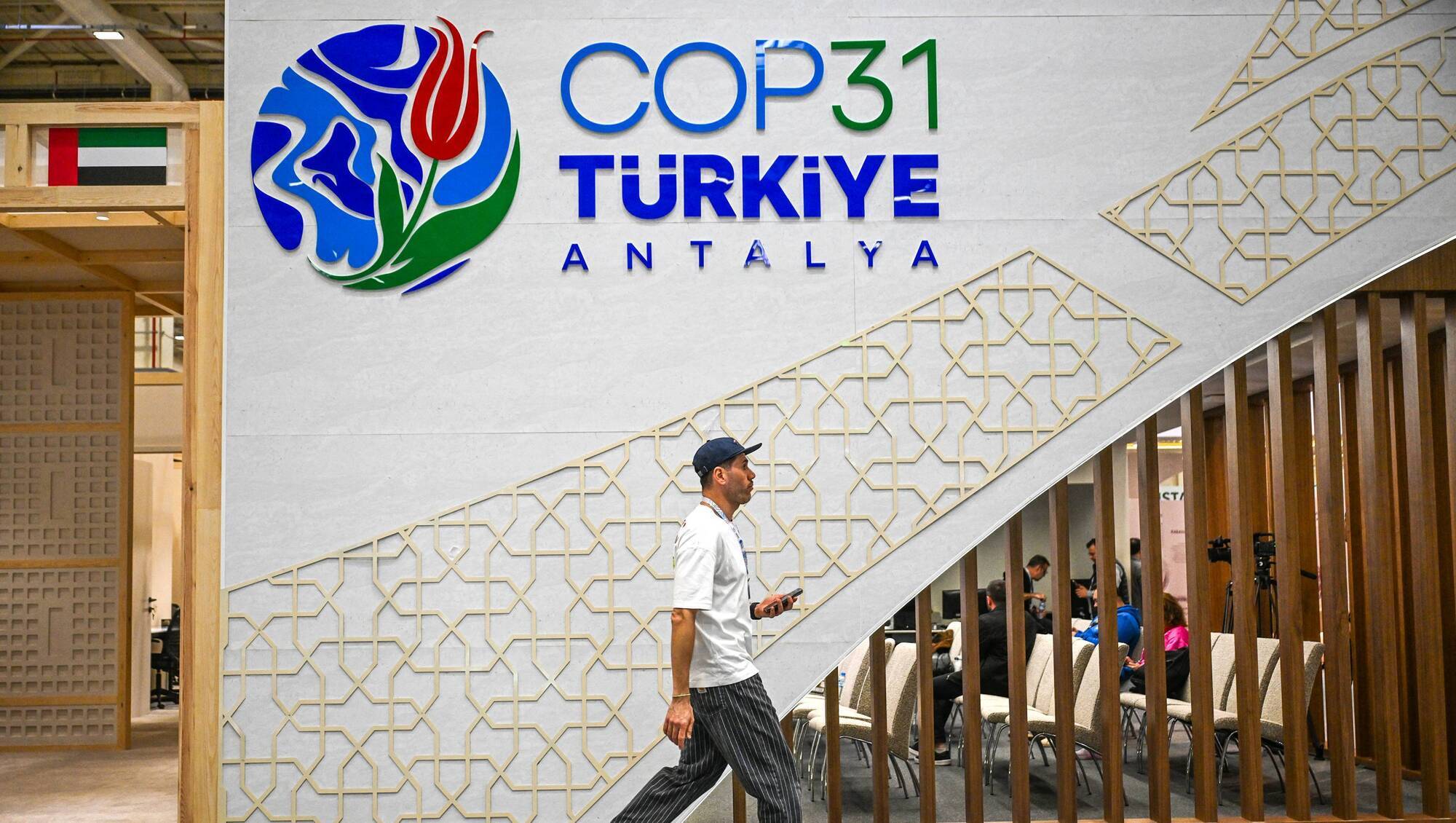
The breakdown of talks at Cop31 has left many feeling dispirited over climate action. Picture: Ozan Kose/AFP via Getty

The breakdown of talks at Cop31 has left many feeling dispirited over climate action. Picture: Ozan Kose/AFP via Getty

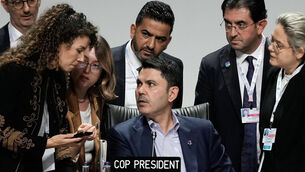
There was a bitter irony in the juxtaposition of two of our front-page stories in yesterday’s Irish Examiner. Alongside our story about the failure of Cop31 to reach a deal to combat climate change was a report on the havoc wreaked by severe flooding in Bantry, Co Cork.

The consequences of the climate crisis were never more visible, yet the solutions seem further away than ever.

It is hard to avoid feeling dispirited about the breakdown of talks to tackle the most pressing crisis facing humanity.

The debate over whether and how human actions affect climate has long since been settled. It is more than three decades since the international community formally accepted, at the UN Earth Summit in Rio de Janeiro, that humans contributed to climate change and that there was a need to reduce greenhouse gas emissions.

The UN Framework Convention on Climate Change, which emerged from that summit, underpins the annual Conference of the Parties (Cop) gatherings in which world leaders gather to advance global co-operation on climate change.

Progress, while painfully slow, has been made. The Kyoto Protocol came into force in 2005, setting emission-reduction targets for industrialised countries.

The Paris Agreement of 2015 obliged countries to submit and strengthen national climate action plans. Subsequent agreements put in place funding for countries bearing the brunt of climate change.

Three years ago, at Cop28, participating countries committed to transition away from fossil fuels and increase both energy efficiency and global renewable energy capacity.

The omission of any mention of the impact of fossil fuels in the final text of Cop31 was central to the failure of the summit.

Frustration in the face of the intransigence of the fossil fuel industry and the countries that support it is an understandable response, but doing nothing is not an option. 

As a country, we have to speed up mitigation measures, such as flood defences, to protect people and property from the consequences of climate change, while pressing on with developing the windfarms and sustainable energy infrastructure needed to reduce our dependence on fossil fuels.

The failure of international diplomacy makes action at home even more urgent. We cannot compel other, larger countries to act, but we can play our part.

Uniform is only one school cost

Education minister Hidegarde Naughton’s plan to help cut the cost of school uniforms, reported here yesterday, is welcome. 

The minister will today seek Cabinet approval for a nationwide consultation process expected to consider banning or limiting the practice of schools insisting on specific branded or crest-bearing uniform items bought from a narrow range of suppliers.

While the review will also consider the comfort and practicality of uniforms, its main driver is a bid to cut costs for parents. 

It is welcome as far as it goes — it will cost the Government nothing and may eventually save some parents money. 

However, if the Government is serious about reducing school-related costs, it might reconsider its plans to raise school bus charges by 250% from next September.

More than 180,000 children use the school transport scheme, some 46,000 of whom pay no fee because they either have special educational needs or are covered by eligible medical cards. 

That still leaves tens of thousands of families facing a substantial hike. Parents with one child in secondary school will see their bill go from €100 to €350 a year, while a family with two secondary-school children will see the annual bill rise from €200 to €650.

Tánaiste Simon Harris said the maximum daily charge to a family would be no more than €3.78 or €2 a day for one child. 

Put like that, it sounds modest, but put another way, a €450 annual increase amounts to an extra €12 per week over the school year.

A working couple, who have reached the 40% tax bracket, will see up to €900 of their gross annual earnings eaten up by that extra €450. And, unlike school uniforms, elements of which can last a child two or three years, the school bus charge has to be paid every year.

The Government has no control over most of the prices straining families’ budgets, but it has control over this one. It should think very carefully about adding to parents’ financial burden.

Burnham needs to show courage

His predecessors at Downing Street have been quick to warn British prime minister Andy Burnham against trying to forge new ties with the EU. 

Following last week’s UK/Brussels summit, Mr Burnham said he would explore options for future ties with the bloc over the next year.

Five former Conservative prime ministers have already cautioned him against trying to turn back the clock on Brexit. 

The memory of the bruising negotiations which ultimately cost her job likely prompted Theresa May’s visceral reaction — she said she was “aghast” at what Mr Burnham was doing, and urged him to ‘accept Brexit and move on’.

David Cameron, Boris Johnson, Liz Truss, and Rishi Sunak also lined up to warn about the dangers of reopening divisive Brexit debates.

Mr Burnham would do well to take their warnings with a pinch of salt. 

There is no virtue in persisting with a mistake just because it has already been made, and a mistake is exactly how a significant majority of British people now see Brexit. 

A YouGov poll earlier this month found that 58% of Britons think the UK was wrong to vote to leave the EU and just 32% think it was the right decision.

Public opinion, easily swayed, is not sufficient reason for Mr Burnham to seek closer relationships with the EU, but evidence that Brexit has failed to deliver its promised benefits is quite persuasive. 

The British government should have the courage to acknowledge these failures and to pursue a course that might mitigate the damage.

More in this section

Revoiced

Newsletter

Had a busy week? Sign up for some of the best reads from the week gone by. Selected just for you.

Cookie Policy Privacy Policy Brand Safety FAQ Help Contact Us Terms and Conditions

© Examiner Echo Group Limited