Irish Examiner view: An Garda Síochána's shocking response to holsters issue
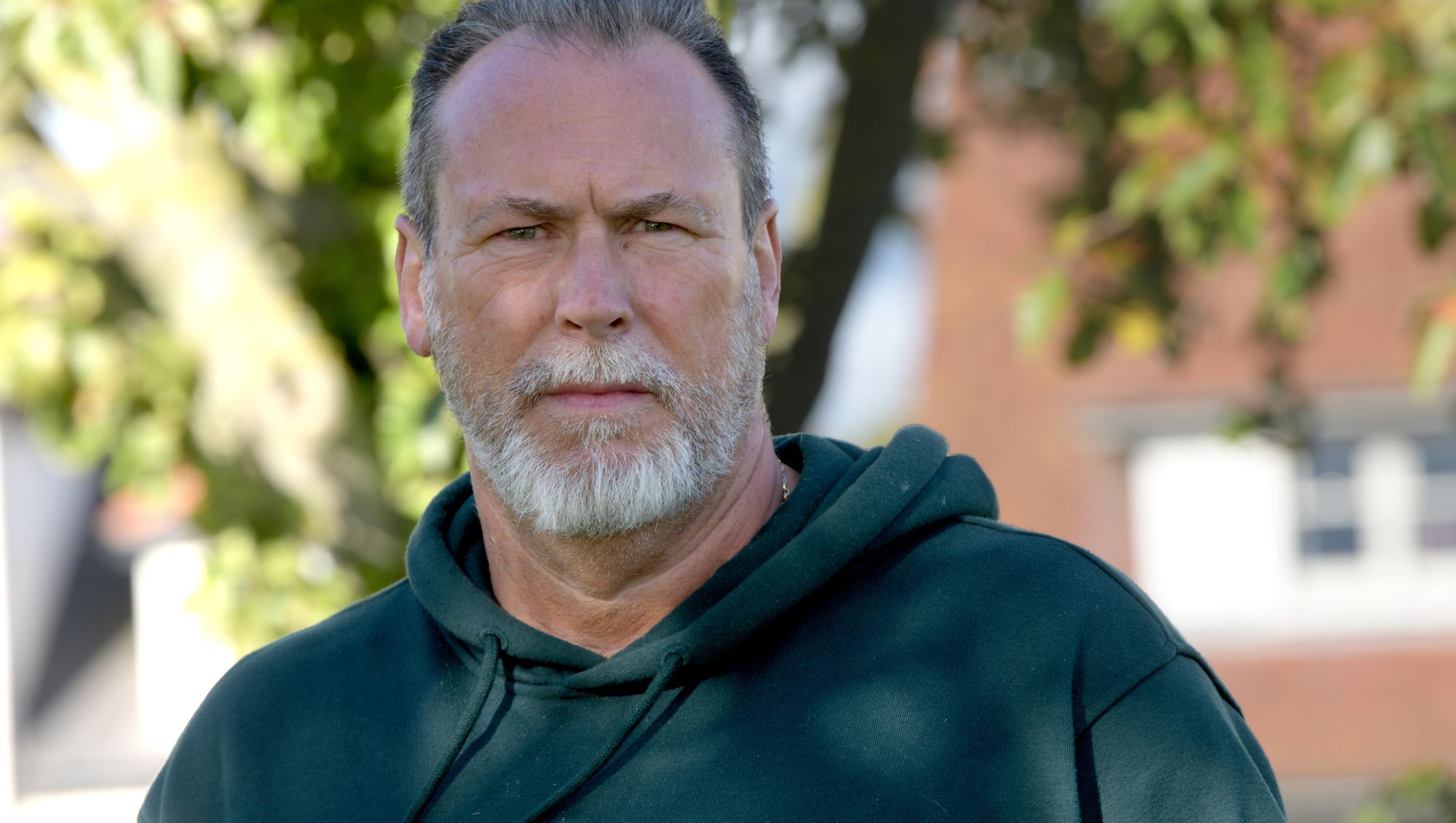
Detective garda Eddie Connell has endured a nightmarish six years since accidentally shooting himself. The safety of Garda-issue holsters has been implicated in that incident, and has also been linked to the murder of Det Gda Colm Horkan six days later. Picture: Moya Nolan
The fact that the vast majority of gardaí do not carry guns while carrying out their duties reflects positively on Irish society. It suggests that much of the force’s standing with the public derives from their moral authority rather than the threat of punishment.
The English translation of An Garda Síochána is ‘guardians of the peace’, which conveys a very different idea to ‘policing’, a term which connotes enforcement.
But that moral authority can be a fragile notion, one which is easily compromised if not maintained in an open and transparent way.
With that in mind, readers must be horrified by the story here yesterday about the safety of gun holsters being used by armed gardaí — and by the wider implications of that story for the administration of justice.
Yesterday, readers learned of the shocking experience of Detective Garda Eddie Connell, whose service weapon discharged when he was getting into his car back in 2020: Detective Garda Connell was shot and suffered serious injuries.
Less than a week later, Detective Garda Colm Horkan was murdered in Castlerea, Roscommon, when Stephen Silver disarmed him and shot him with his own weapon.
As illustrated here by Mick Clifford, both gardaí were using holsters that were flawed. Incredibly, the garda authorities were aware of this flaw, as evidenced by correspondence between the firearms training unit and the training college in Templemore recommending the holster be “withdrawn for safety reasons”.
This recommendation was made the day before Detective Garda Horkan was killed, so it is hardly surprising that the Horkan family called last week for a public inquiry into the circumstances around his murder.
That is the very least they are entitled to, given the fact that he was using equipment which the garda authorities wanted to remove on safety grounds.
However, the sense of dismay surrounding these matters is not limited to the specific circumstances of these incidents.
Read More
In the case of Detective Garda Connell, the intervening six years since he was injured have been nothing short of nightmarish.
His district officer told him when he was originally hospitalised that what had happened “was a work-related injury”, while Gsoc — the garda ombudsman body preceding Fiosrú — found a crease in the holster which could engage the gun’s trigger. However, a subsequent disciplinary procedure found he was in breach of discipline and he was told his sick pay would be stopped as the injury was not considered work related, leading to a two-year legal fight to have his pay restored.
It should be pointed out here that Detective Garda Connell made a protected disclosure about the 2020 incident, at which point readers may note a familiar tinge to this story.
Just last week, for instance, Mick Clifford wrote here that another garda whistleblower, Detective Superintendent Brian O’Reilly, has raised serious questions about the handling of a protected disclosure he made three years ago.
Detective Superintendent O’Reilly went so far as to state that when he made his disclosure, the minister for justice at the time, Helen McEntee, had “inappropriately interfered” with the process, an accusation she refuted.
It is likely that Ms McEntee has not finished discussing how she handled this case, which is not just discomfiting because of the specific issues it raises, but because of what it tells us about the general attitudes to whistleblowers in An Garda Síochána.
Read More
The negativity directed at such whistleblowers, going back to Maurice McCabe and John Wilson, is a serious problem and undercuts the moral authority upon which the Force relies.
It is difficult to argue with Detective Garda Connell’s words to Mick Clifford: “I was to be got rid of because I had become a problem. Just because I was shot. Anything to avoid the scandal.”
That attitude to whistleblowers must change if An Garda Síochána is to retain its credibility.
It is a cliché to refer to the covid pandemic as an unprecedented time in our history but, for an older cohort of our citizens there might have been something familiar about certain aspects of that period.
Those who recall the 1950s could have compared covid to that era’s experience of the scourge of polio.
This week, polio survivors gathered in Cork on the anniversary of one of the worst outbreaks, which occurred on Leeside in the summer of 1956.


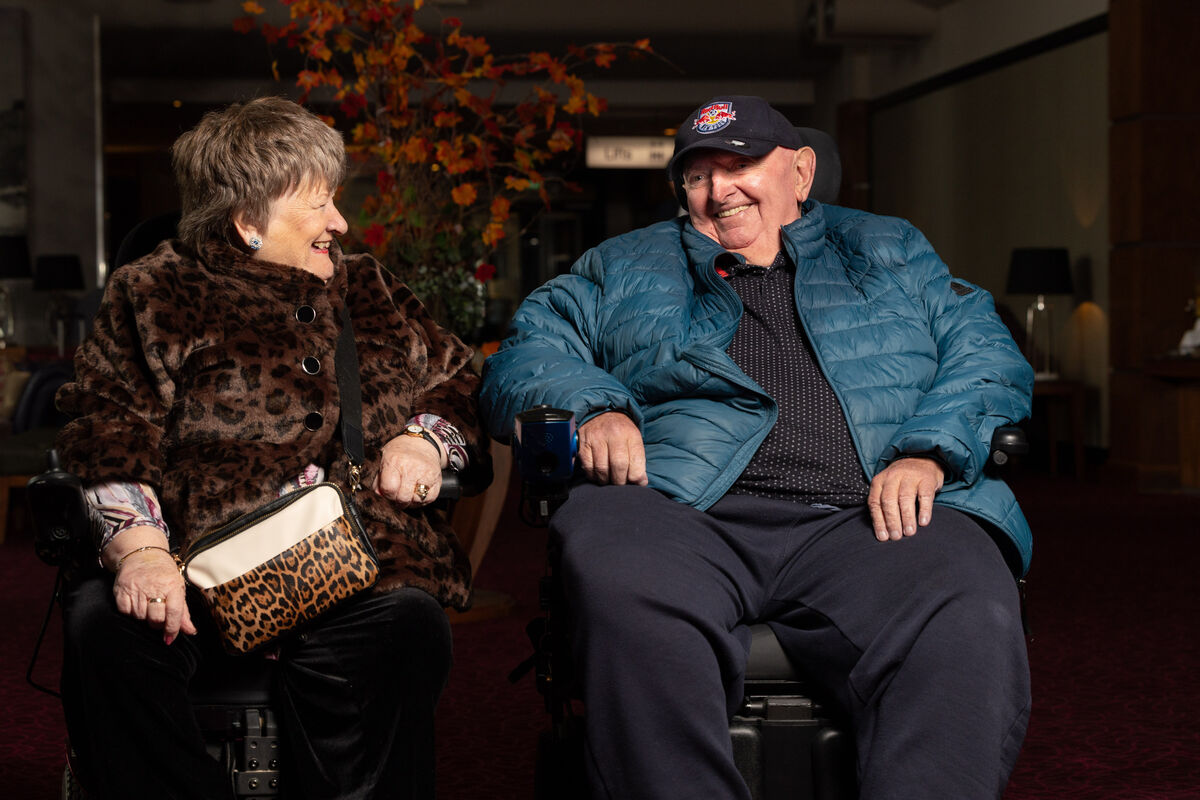
By that August, more than 90 cases had been reported, with at least one fatality, and the then minister for health TF O’Higgins was advising Cork people there was no need for a mass exodus.
However, letters to newspapers in Dublin called on Corkonians not to visit the capital — a particular concern given Cork were in both All-Ireland senior finals.
Distant though that period may seem now, many of those who survived polio still live with the effects of the disease.
This week, Polio Survivors Ireland called on the Government to ensure that those still affected by polio can continue to access supports as they age.
Survivors over the age of 66 are excluded from the €500 cost-of-disability payment announced in the recent budget because survivors move from disability-related payments to the State pension once they turn 66.
There is a clear contradiction here, as the health issues of those polio survivors obviously do not cease because they are 66. They should receive this payment as a matter of basic fairness.

CONNECT WITH US TODAY



Be the first to know the latest news and updates