Irish Examiner view: People of all ages suffering from the homelessness crisis
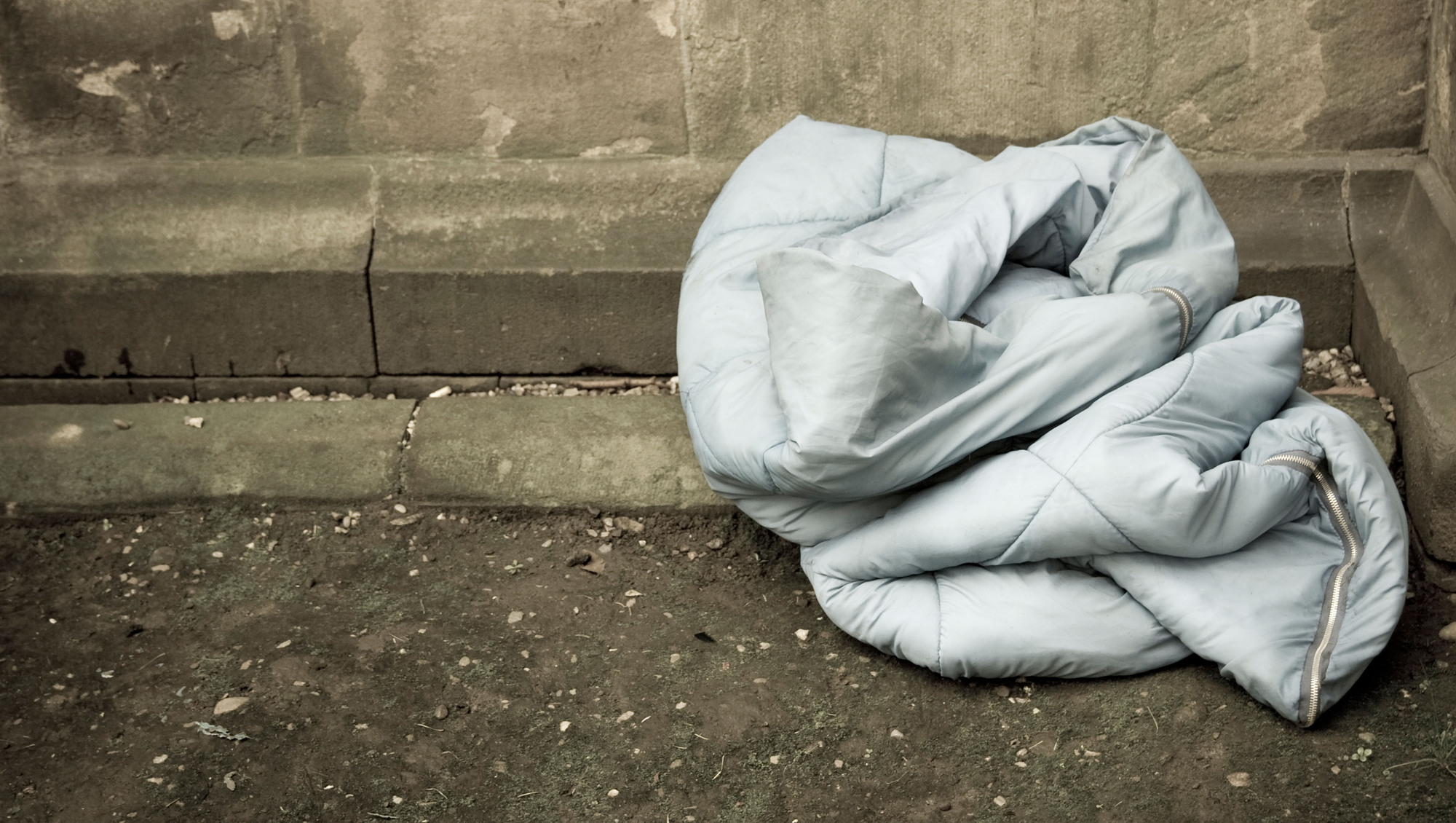
House ownership among people aged over 60 is projected to fall to 65%.
The accommodation and homelessness crisis continues to afflict every part of Irish society, it seems, with each week bringing new problems thrown up by this rolling catastrophe.
This week, for instance, we learned that accommodation is at a premium for some of the most vulnerable people in our society.
Rosa’s Place, a dedicated unit in Dublin for women identified as potential victims of such trafficking, has closed due to fire safety concerns, though there are hopes it may reopen soon.
Accommodation is also a pressing concern for a different cohort of Irish society — older adults.
Seán Moynihan, chief executive of the charity Alone, recently told this newspaper: “In the current scenario, it’s nearly inevitable that we’re going to have more homeless older people.”
He said that there is a continuing drop in house ownership among people aged over 60, which is projected to fall to 65%, adding: “So where are that 35% going when their income goes down, or they are bereaved?”
Mr Moynihan is correct to point out that older adults face different challenges compared to young people.
It is all but inevitable that people face lower incomes when they retire and become reliant on pensions, while the advent or aftermath of serious illness — more likely in old age — or marital separation can also have an impact on the security of people’s accommodation.
When other factors are considered, such as those who could not afford to buy a property because they were in lower-paid jobs or those who do not have a private pension, it is clear that accommodation is not just an issue for the younger generation.
The ongoing dysfunction in the Irish rental market means there appears to be no quick fixes, although the Department of Housing has stated that an action plan on delivering housing for older people is being prepared and “is expected it will be completed in the coming months”.
This should be expedited as a matter of urgency.
Taoiseach Micheál Martin will issue a State apology in the Dáil tomorrow for failings in the investigations into the killing of Brian Stack.
Mr Stack was the chief prison officer at Portlaoise Prison when he was shot in the neck after leaving a boxing match in Dublin in March 1983, dying 18 months later.
The Provisional IRA denied responsibility for the attack, but in 2013 stated that while its members were responsible, the killing had not been sanctioned by the IRA’s leadership.
Over the years, there were three separate investigations into Mr Stack’s killing but no one was ever brought to justice. It is an understatement to suggest that those investigations were not carried out to the highest standard.
Mr Stack’s son Austin stated this week that a serious crime review team had identified 194 errors and omissions with the first investigation.
It is shameful that his family has had to wait over 40 years for resolution in the form of a State apology.
As Austin Stack pointed out, his father “was doing a very difficult job for the State at a very difficult time in our history and he was awarded the Prison Service’s highest bravery reward for doing that job”.
This should should not be forgotten. The Ireland in which Brian Stack was killed was a different one in many ways, but his shooting was a direct assault on the rule of law and the integrity of the State.
That assault was directly linked to Mr Stack’s work and those flawed investigations are an indictment of both An Garda Síochána and successive governments that should have been more proactive in pursuing this matter.
Austin Stack has said that this week’s apology offers some comfort to the family, and to his mother in particular. After 43 years, that is the least that could be done.
What Patrick Kavanagh described as October-coloured weather has truly settled in all over the country, with frost on car windscreens in the mornings and warmer clothing now becoming a priority.
One of the other markers of autumn weather has also come to the fore in recent weeks, with county finals taking place in successive Sundays around Ireland in hurling and Gaelic football.
This is the epitome of the pride of the parish on which the GAA bases itself, the culmination of small rivalries and harmless enmities.
From one end of the country to the other, parishes and villages all across the countryside, as well as in the suburbs and neighbourhoods of our larger towns and cities, are building up to those climactic weekend and then celebrating their own afterwards as the evenings draw in.
This weekend past was the turn of a cross section of Irish settlements.
Ballincollig, Blackpool, Durrow, Cuala, Portaferry, and Letterkenny all had to get the bonfires lit and to welcome home their victorious teams.
In their clubhouses great scores and valiant defending were celebrated, and the performances of local heroes immortalised.
Nowadays that is often done by social media rather than through the composition of a lengthy ballad, but the impulse remains the same, to hold onto the memory of a great day as proof against future winters.
As Kavanagh himself said, quoting Homer’s ghost: I made the Iliad from such a local row. Gods make their own importance.

CONNECT WITH US TODAY



Be the first to know the latest news and updates