Irish Examiner View: We need to respond to end of Unifil
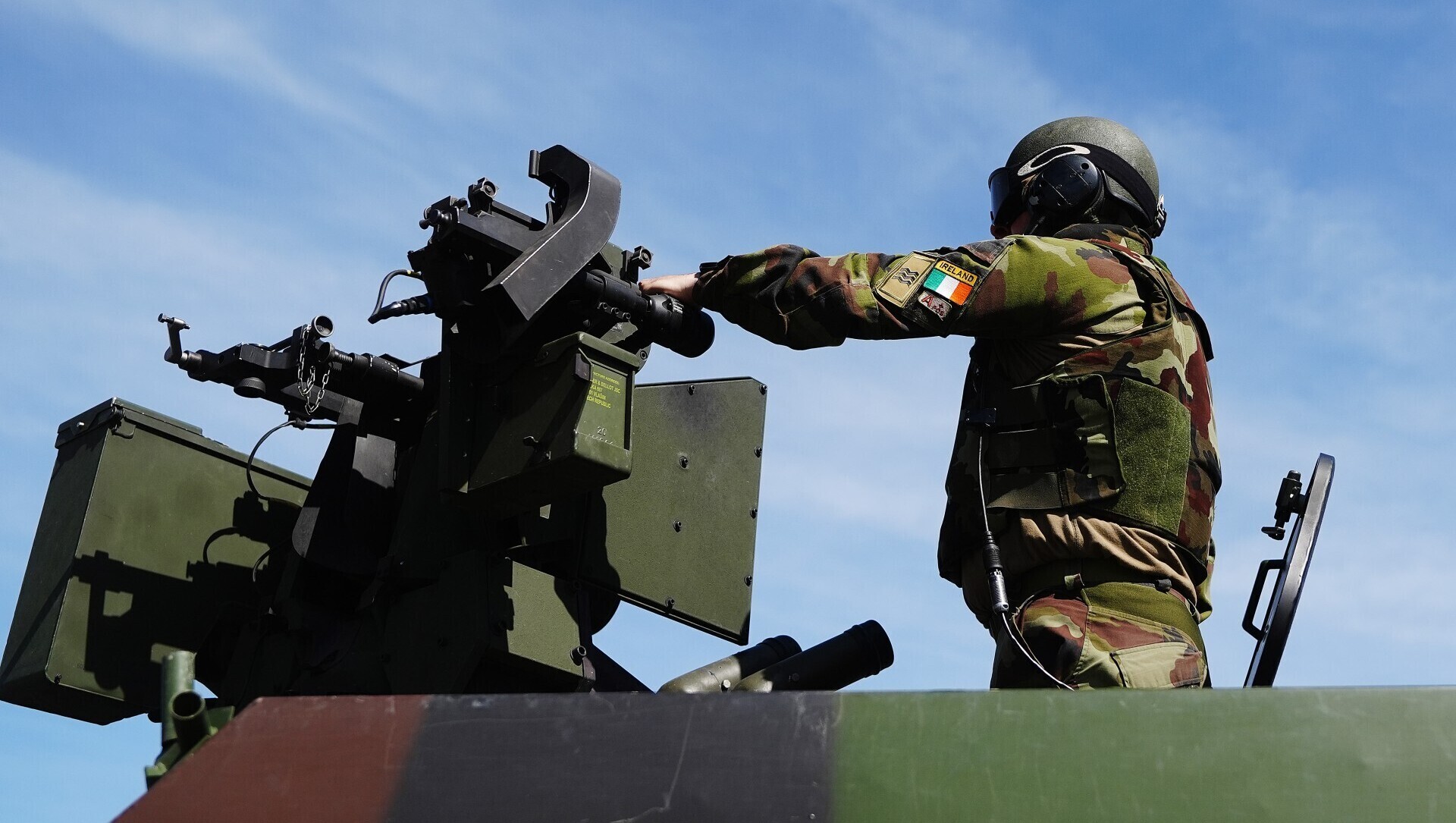
Members of the Defence Forces during the 128th Infantry Battalion Unifil Mission Readiness Exercise  at Glen of Imaal, Co Wicklow. Picture: Brian Lawless/PA

Members of the Defence Forces during the 128th Infantry Battalion Unifil Mission Readiness Exercise  at Glen of Imaal, Co Wicklow. Picture: Brian Lawless/PA

For generations of Irish soldiers, Lebanon has been more than an overseas posting. It has given their service a purpose, their training an application, and Ireland’s commitment to peacekeeping an expression. Its significance cannot be measured by the number of troops deployed.
Defence minister Helen McEntee’s acknowledgement that the end of the Unifil mission could damage recruitment and retention is welcome in its honesty, but it should also concentrate minds. A foreseeable loss of personnel requires a plan, rather than an acceptance that another setback is inevitable. The minister has spoken to soldiers who joined because they wanted to serve in Lebanon or participate in overseas peacekeeping. Their motivation matters. Pay, accommodation, and working conditions are essential, but people also need to believe that the career they have chosen offers a future.

The final Unifil mandate expires at the end of December, with the wider withdrawal taking place subsequently. Ireland must prepare for the operational and professional gap its departure will leave. The consequences will reach beyond soldiers to the experience, expertise, and institutional confidence of the Defence Forces. The Government cannot determine where the next suitable international mission will arise. It can determine whether Ireland is ready to contribute, what capabilities it offers, and how it pursues opportunities consistent with our peacekeeping tradition.

That means examining where Irish engineers, medical teams, logistics specialists, military observers, and equipped units could support civilian protection and stability. Any prospective deployment must be judged on its mandate, purpose, safeguards, and the needs of those it would serve. Discussions about a possible EU mission in Lebanon deserve scrutiny on those grounds.

Concern about retaining soldiers cannot substitute for examining what they would be asked to do. Nor should an impending gap in deployments become an argument that Ireland must accept whatever alternative is offered.

A credible transition plan should explain the opportunities being explored, how specialist skills will be maintained, and what career progression will look like between deployments. Serving personnel and their representative associations should be involved in shaping it.

There is another obligation. The serious allegations heard by the Defence Forces Tribunal concern the treatment of people within the institution and the adequacy of mechanisms intended to protect them. The need for a workplace in which complaints can be made safely is beyond dispute.

Ireland’s pride in its peacekeepers must be matched by concern for their welfare at home. An organisation asking people to serve vulnerable communities abroad must demonstrate that it respects and protects its own members. Preserving the Defence Forces requires both meaningful service and institutional reform. Neither can compensate for neglect of the other. The end of Unifil will close a chapter in Ireland’s international contribution. It need not diminish our ambition to serve peace, or leave those who share that ambition without a convincing future. The minister has identified the danger. Government must now show how it intends to respond.

Education protests: There is time to stop the strikes

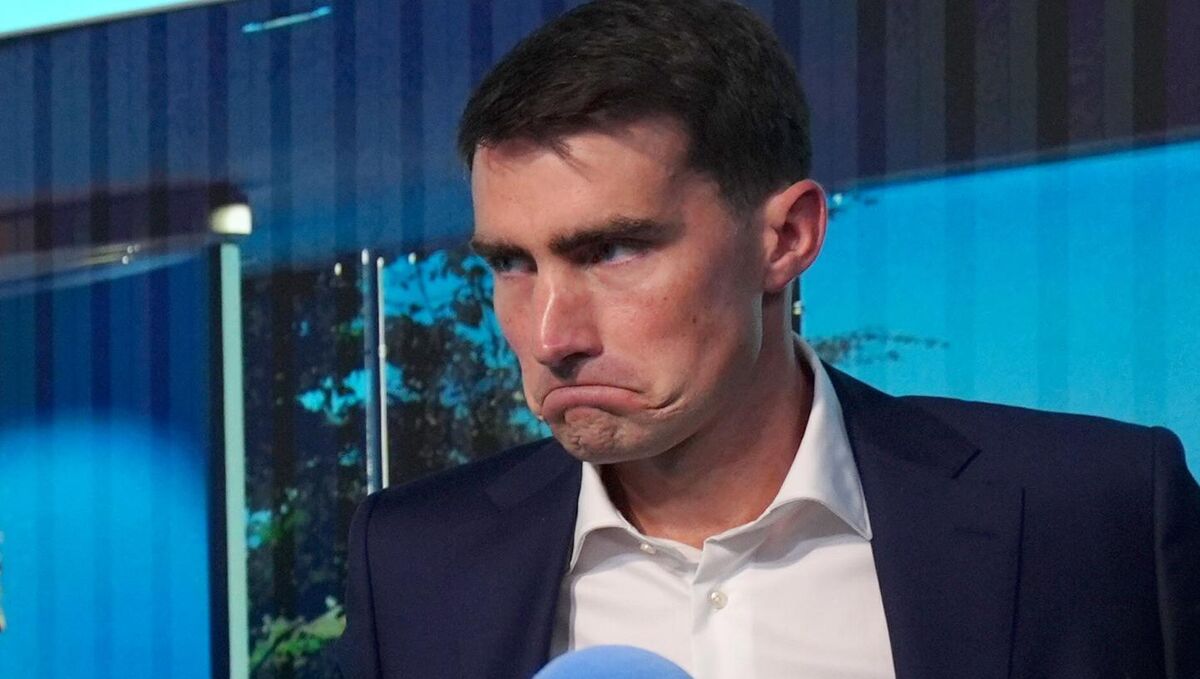
Public expenditure minister Jack Chambers at the RTÉ Radio Centre in Dublin. Picture: Brian Lawless/PA

The prospect of schools closing on October 14 and 21 should bring urgency to public service pay negotiations. Instead, families are watching an argument about the conditions for beginning talks while the consequences of failing to agree move closer.
The INTO has directed its members to take part in two days of strike action. Teachers’ industrial action forms part of a wider public service dispute following the expiry of the previous pay agreement at the end of June.

Public expenditure minister Jack Chambers says the budget contains significant provision for public service pay. Unions maintain that the Government has failed to provide a credible basis for negotiations, particularly on the pressures created by living costs.

Money provided in a budget is a starting point. It becomes a settlement through negotiation. Ministers must explain what is available and engage substantively with the people whose pay is under discussion. Unions, in turn, must be prepared to test a credible proposal at the negotiating table.

Neither side benefits from allowing a dispute over the sequence of discussions to prevent those discussions from producing anything.

Parents will worry about childcare, lost earnings, and disruption to education. Those concerns are real. They should sharpen the determination to secure an agreement, rather than become a means of dismissing teachers’ grievances.

The disruption also falls unevenly. Families with flexible work arrangements or reliable support can cope more readily than parents who have neither. Children requiring additional support may face particular difficulties when familiar routines disappear. There is still time to avert the planned stoppages. Government should take the initiative in establishing a credible route to agreement, and unions should respond constructively. 

If a settlement is achievable, reaching it after school closures will be an expensive demonstration of what should have been done before them.


El Niño: Heed the warning 


File Picture: iStock

El Niño may unfold far away from us all in the Pacific, but its consequences reach far beyond it. 

The World Meteorological Organization warns that the current event will intensify towards a December peak and could rank among the strongest since at least 1950. Shifting rainfall patterns threaten drought in some regions and flooding in others, with consequences for food production, livelihoods, and humanitarian need.

For Ireland, the warning demands preparation without pretending that a global outlook provides a precise forecast for our winter. Flood planning, drainage maintenance, and the resilience of electricity infrastructure deserve attention. Internationally, countries facing failed harvests and water shortages need assistance early enough to prevent suffering, rather than sympathy after.

Better forecasting allows governments to act sooner. Its value is squandered when warnings generate headlines but fail to change decisions.

More in this section

Revoiced

Newsletter

Had a busy week? Sign up for some of the best reads from the week gone by. Selected just for you.

Cookie Policy Privacy Policy Brand Safety FAQ Help Contact Us Terms and Conditions

© Examiner Echo Group Limited