Irish Examiner view: We urgently need better safeguards for older people
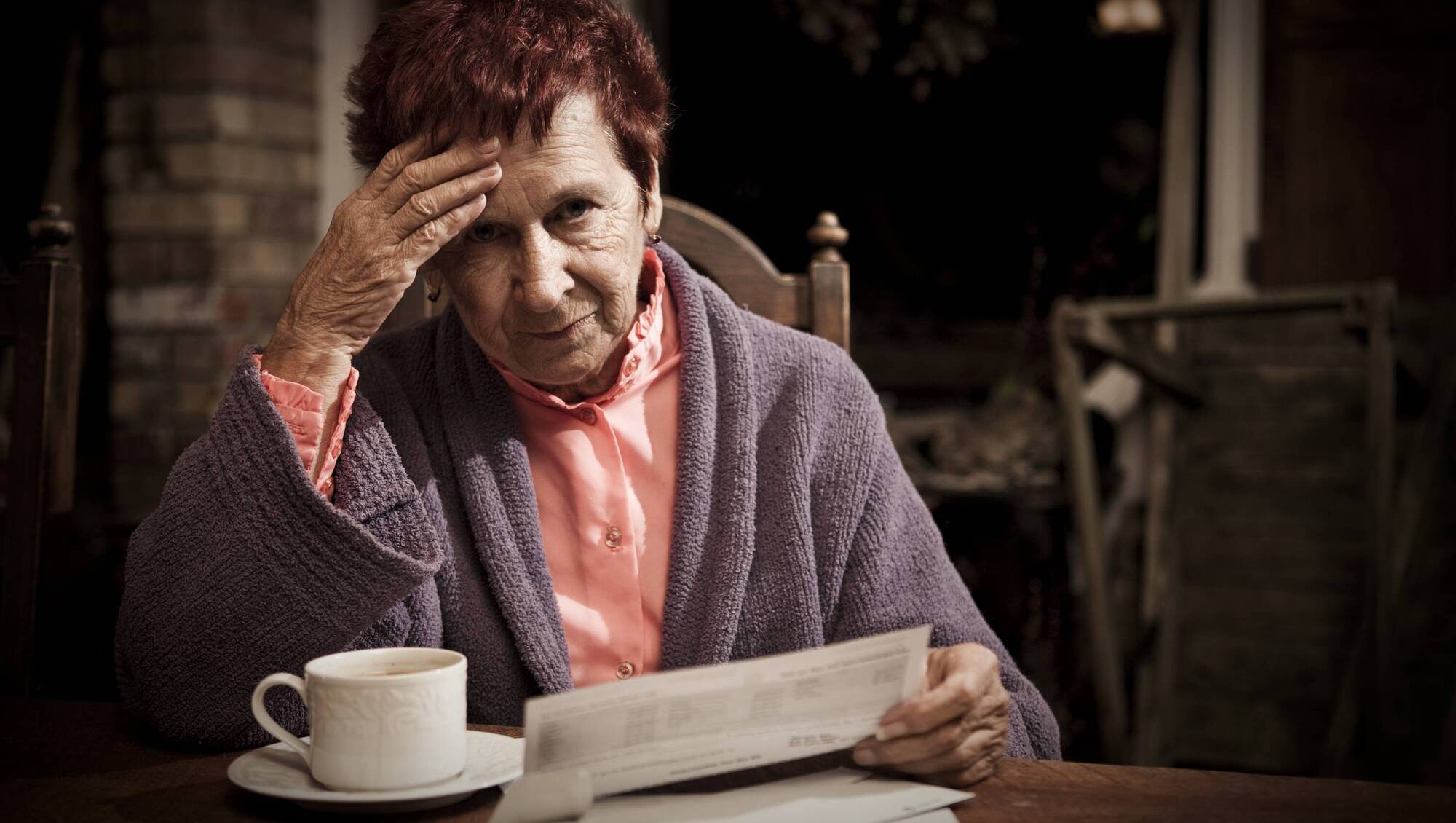
The troubling data was shared by HSE South West to mark World Elder Abuse Day. Picture: iStock
One of the traditional ways to evaluate a society is to look at how it treats its most vulnerable members.
By that metric, Ireland has not always been a haven for children, to put it mildly, given the disgraceful records of our industrial schools and mother and baby homes.
Our treatment of the elderly, a growing cohort of the Irish population, has now come into sharp focus also.
We learned this week that well over 1,000 cases of elder abuse were reported last year to the HSE South West safeguarding and protection team, which covers the Cork and Kerry region. This horrifying total is made all the more disturbing by the revelation that many cases involved more than one form of abuse.
Read More
The data, shared by HSE South West to mark World Elder Abuse Day, was broken down into different forms of mistreatment — physical abuse, including rough handling, pushing, shoving, hitting, and force-feeding, inappropriate use of medication, sexual abuse, and financial and online abuse on the part of strangers or people known to them.
The basic entitlements of the elderly can be quickly undermined in the most basic ways.
In this week's report, social worker Kevin Collins told Health Correspondent Niamh Griffin: “Having access to nutritious food, adequate hydration, choice, and support at mealtimes is fundamental to health and quality of life.
"Older adults should be supported to eat and drink in a way that respects their preferences, independence, and dignity.”
While it is appropriate to spell out those entitlements, it is also disheartening that that should have to be done in the first place.
The elderly share the right to safety and dignity with every other cohort of our society, and one way to ensure that their safety and dignity are maintained would be swift implementation of the Adult Safeguarding Bill, as noted by the Oireachtas health committee last month.
That measure was first mooted 15 years ago, however. That delay tells us much about the position of the elderly in our society.
We have seen how the indirect effects of the housing and accommodation crisis manifest themselves in a variety of other areas, from employment opportunities to traffic congestion. The causes of that crisis are sometimes harder to identify, but the explosion in the number of short-term lets is certainly one of the contributing factors.
This week, housing minister James Brown brought the Short-Term Letting Bill to Cabinet in a bid to bring some of those short-term lets back into long-term private use.
The number of short-term lets is significant: as reported here in March, some counties in Ireland had 25 times more Airbnbs than homes to rent, with almost 30,000 properties in total available on that platform.
Clearly it would be enormously beneficial to have those properties available for long-term rents, but the Government has not moved swiftly to address this issue. For instance, a register for short-term lets was supposed to come into effect last month, but was delayed until December following disagreements in the Government.
Under the new measures, there will be no new planning permission provided for short-term lets in towns with a population of more than 20,000, a move covering Cork, Dublin, Limerick, Waterford, Galway, and 20 other towns.
This is laudable, but the new dispensation comes with an obvious caveat. As shown here last March by John-Mark McCafferty, change-of-use planning permission is necessary to transform a residential home into a short-term tourist let, but between 2019 and May 2025, local authorities received just 426 planning applications for change-of-use — 1.3% of all short-term lets in Ireland at that time.
That means almost all short-term lets where the entire house is let are already non-compliant. Can we be confident the new measures will be more effective?
Mr Browne says his bill will be the strongest legislation on the issue in any country in Europe, but if it is not enforced then it is hardly worth announcing. Our housing crisis must be tackled, but rules which are not put into practice will hardly make a difference.
There is good news in the 12th annual Digital News Report for Ireland 2026, which was launched yesterday in Cork.
The report by the Reuters Institute at Oxford University, published by Coimisiún na Meán, shows that Irish people continue to trust major news brands, including the Irish Examiner — one of the most trusted such brands, according to the research.
The more ominous news is that the data suggests Irish people are losing trust in news generally — just 42% of the adult population surveyed said that they trust most news “most of the time”, which represents a significant decrease of eight percentage points from last year’s figure.
Also, when the survey asked contributors if they found themselves actively avoiding the news, 47% of Irish adults said they did, up from 41% last year; the contributors who said they never avoided the news accounted for 22%, down from 28% in 2025.
This is a worrying trend, indicating an increasing disconnect from current affairs.
Being well-informed about the issues of the day is a boon to any democracy, one which is particularly necessary when considering the exponential growth of disinformation and outright falsehood in recent years.
Engaging with and questioning the news should be seen as a civic duty, not something to avoid.


CONNECT WITH US TODAY



Be the first to know the latest news and updates