Irish Examiner view: We must prepare for online threat ahead of Ireland's EU presidency
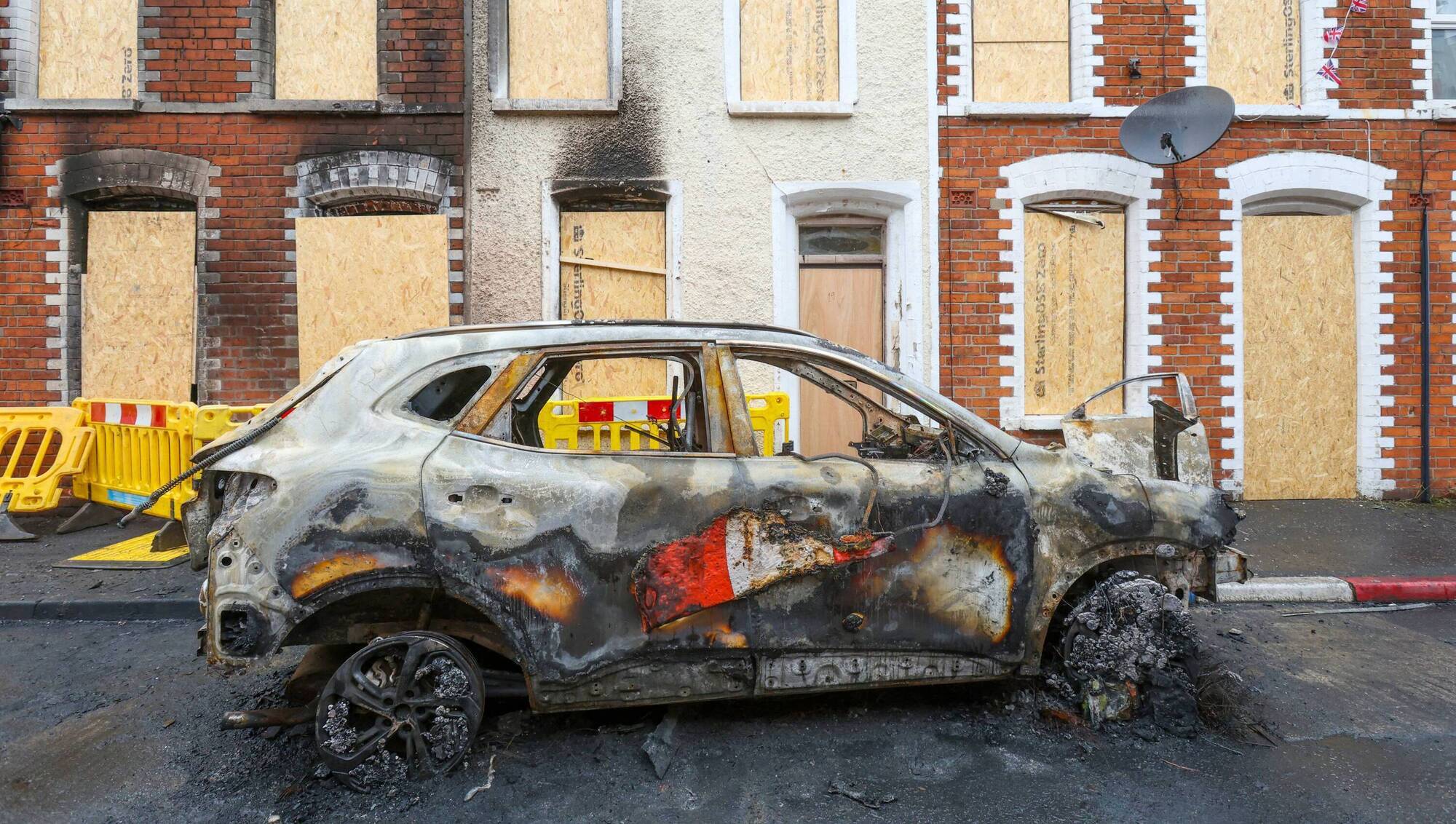
The remains of a burnt-out car outside boarded-up houses off the Newtownards Rd, in east Belfast after two consecutive nights of violence following the June 8 stabbing of Stephen Ogilvie. Picture: Paul Faith/AFP/Getty
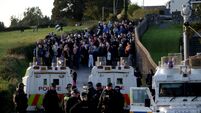
The scenes of violence in Belfast this week should concern every government in Europe. While the immediate causes of the disorder are rooted in local tensions and a specific criminal incident, the speed with which unrest spread, the role of social media in amplifying anger, and the apparent involvement of organised far-right networks highlight a wider security challenge that Ireland must take seriously as it assumes the presidency of the Council of the European Union.
In the coming months, Ireland will host an unprecedented series of high-profile meetings, summits, ministerial gatherings, and diplomatic events. Thousands of delegates, heads of government, officials, and journalists will travel here.
The presidency presents a major opportunity for Ireland, but it also creates a significant target. The traditional understanding of security is no longer sufficient.
Read More
The greatest threat to a major international event may not come from a conventional terrorist organisation or a hostile state acting directly. Increasingly, disruption can emerge from a combination of online disinformation, extremist agitation, co-ordinated protests, and opportunistic violence designed to overwhelm security resources and dominate headlines.
The Belfast disorder illustrates how rapidly a local incident can become a flashpoint. Analysts have pointed to the role of social media in spreading inflammatory content, mobilising protests, and mainstreaming narratives that were once confined to the fringes. For those seeking to undermine democratic institutions, distract governments, or embarrass host countries, such incidents present an attractive model.
A relatively small number of actors can exploit existing social tensions, amplify misinformation, and create the appearance of widespread instability. The objective is often less about advancing a coherent political agenda than generating chaos, polarisation, and mistrust.
Ireland has already been warned about vulnerabilities. Security experts have expressed concern regarding preparedness, including gaps in counter-drone capabilities and the risk of hybrid threats designed to exploit weaknesses in national resilience. The lesson from Belfast is not that similar violence is inevitable here. Nor should legitimate concerns about public order be used to curtail peaceful protest. Democracy requires the protection of dissent as well as security.
However, it would be naïve to assume that high-profile EU events will pass without attempts at disruption. External actors — whether hostile states, extremist networks, or online agitators operating across borders — understand the value of symbolic targets. A disorderly protest, a co-ordinated disinformation campaign, or a security breach during Ireland’s presidency would attract global attention out of all proportion to the resources required to create it.
The Government’s response must therefore extend beyond policing and physical security. It requires closer co-operation between intelligence agencies, law enforcement, technology platforms, and European partners. It also requires public resilience against misinformation and efforts to ensure that online falsehoods do not become offline disorder.
Ireland’s presidency should showcase the best of European co-operation. The Belfast unrest serves as a timely reminder that, in an age of digital mobilisation and hybrid threats, security is no longer simply about protecting buildings and dignitaries. It is about protecting democratic stability itself.
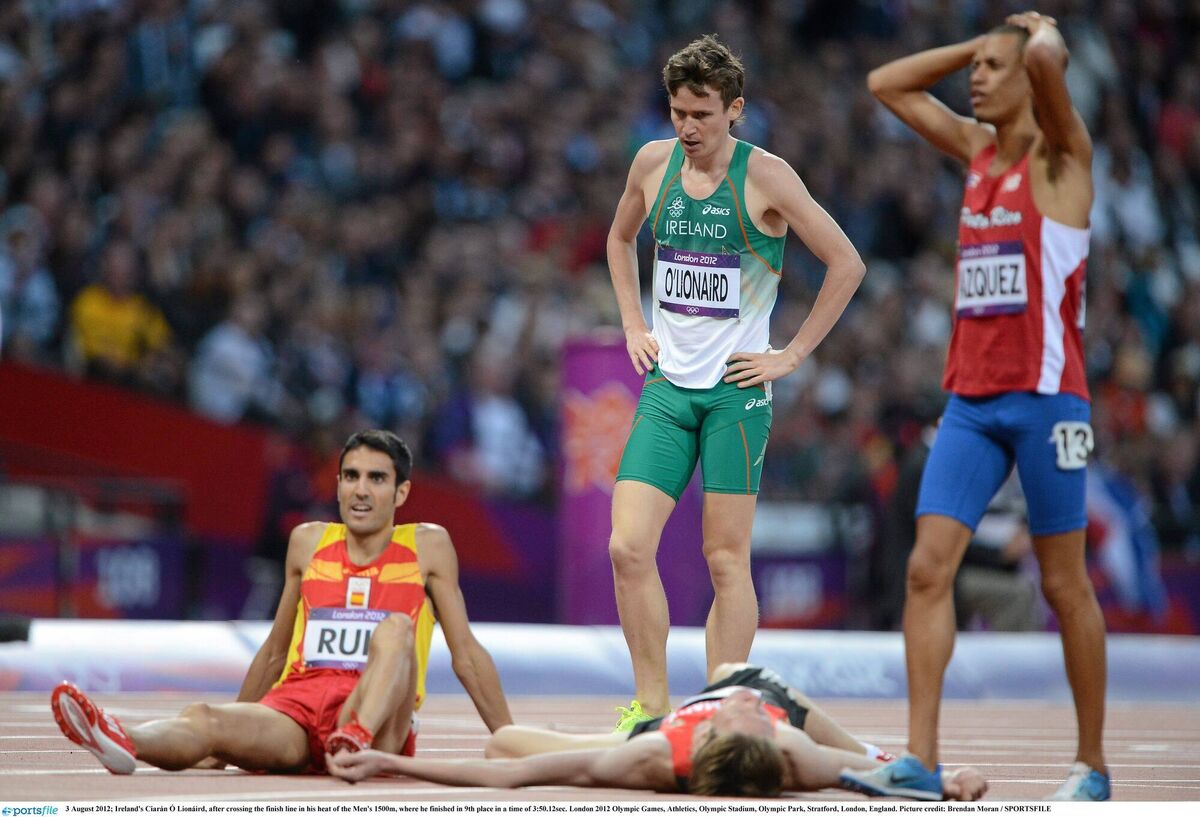
The death of Ciarán Ó Lionáird this week has left Irish athletics in mourning. It is a loss that reaches far beyond medals, championships, or records.
Irish sport has lost one of its most gifted athletes; the athletics community has lost one of its own. The tributes that have followed speak not only of Ó Lionáird’s extraordinary talent, but of the impact he made on those who knew him, competed alongside him, and followed his journey. He was a world-class athlete, an Olympian, and a European medallist.
Read More
Those achievements tell only part of the story. Like many elite athletes, Ó Lionáird seemed driven by a relentless desire to improve. Athletics rewards both obsession with detail and devotion to process. Success is built on countless unseen hours, on sacrifice, discipline, and a willingness to endure disappointment in pursuit of something greater.
It is often a life lived in the gap between what has been achieved and what might still be possible. The tragedy of that pursuit is that athletes can struggle to recognise the magnitude of their own accomplishments: The next goal always looms larger than the last success. A personal best can always be faster. A championship placing can almost always be higher. Satisfaction can remain frustratingly out of reach.
Track and field is a sport of immense rewards, but also profound challenges. Injuries, setbacks, and uncertainty are constant companions. The physical demands are obvious; the emotional and psychological burdens are often less visible.
Athletes give so much of themselves in pursuit of excellence, and that journey can be both exhilarating and heartbreaking. As the athletics community comes to terms with this terrible loss, there is a lesson in remembering athletes not only for what they were striving to become, but for what they already were.
Ó Lionáird achieved more than most could ever dream of. His passing leaves a deep void in Irish athletics. His contribution, however, will endure.
In an age of instant gratification, the completion of the final tower of Barcelona’s Sagrada Família offers a reminder that some of humanity’s greatest achievements require patience measured not in months or years, but in generations.
As crowds gathered to witness Pope Leo XIV bless the Tower of Jesus Christ, they were celebrating the culmination of a journey that began in 1882.
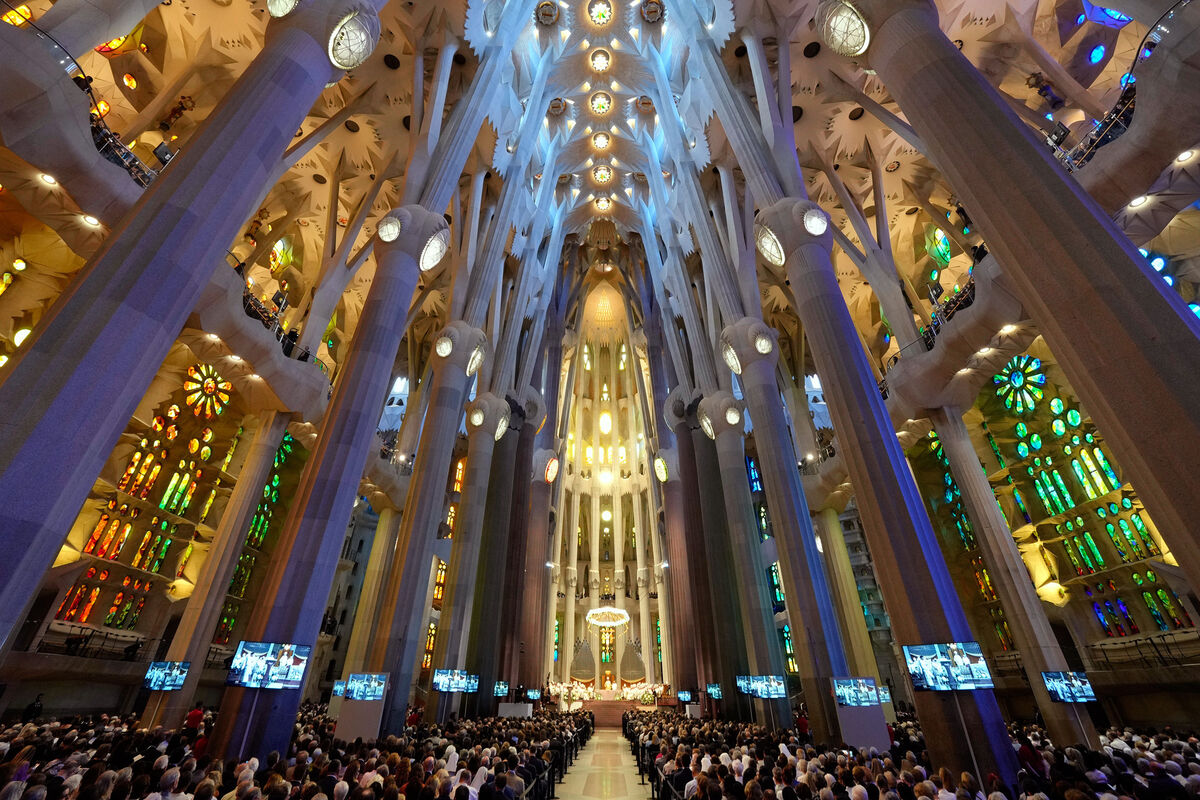
Antoni Gaudí devoted the final years of his life to the basilica, knowing he would never see it completed. Neither would his contemporaries, nor their children, nor even their grandchildren. Yet they continued to build. The Sagrada Família has survived political upheaval, civil war, economic crises, and a global pandemic. It stands today not simply as an architectural masterpiece, but as a monument to perseverance itself.
There is a broader lesson here. Modern politics often operates on electoral cycles and immediate results. Long-term projects can struggle to survive in such an environment. Yet the greatest challenges societies face — housing, climate change, infrastructure, and social cohesion — demand sustained commitment over decades.
The Sagrada Família reminds us that progress is not always rapid. Sometimes the most remarkable achievements belong to those willing to continue building, even when the finish line lies far beyond their own horizon.

CONNECT WITH US TODAY



Be the first to know the latest news and updates