Irish Examiner view: We must all be vigilant against avian flu
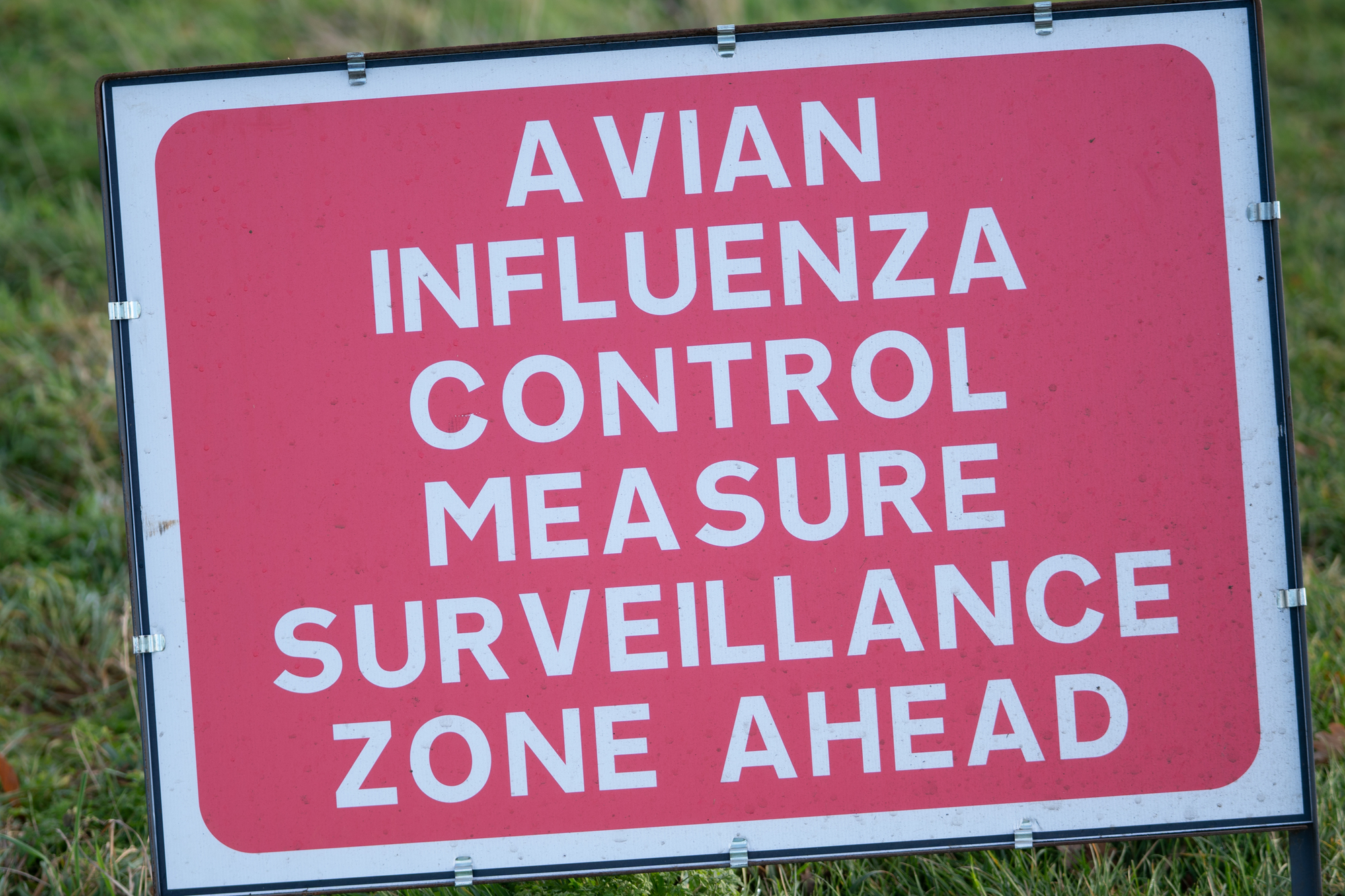
A warning sign for avian influenza (bird flu) in Barkby, Leicestershire.

CONNECT WITH US TODAY



Be the first to know the latest news and updates
A warning sign for avian influenza (bird flu) in Barkby, Leicestershire.
CONNECT WITH US TODAY
Be the first to know the latest news and updates
Newsletter

Had a busy week? Sign up for some of the best reads from the week gone by. Selected just for you.

Newsletter
Get a lunch briefing straight to your inbox at noon daily. Also be the first to know with our occasional Breaking News emails.
Newsletter
Had a busy week? Sign up for some of the best reads from the week gone by. Selected just for you.
Tuesday, September 22, 2026 - 4:00 PM
Tuesday, September 22, 2026 - 10:00 AM
Tuesday, September 22, 2026 - 6:00 PM