Irish Examiner view: Ask ABBA — Eurovision exit makes us feel like we win when we lose
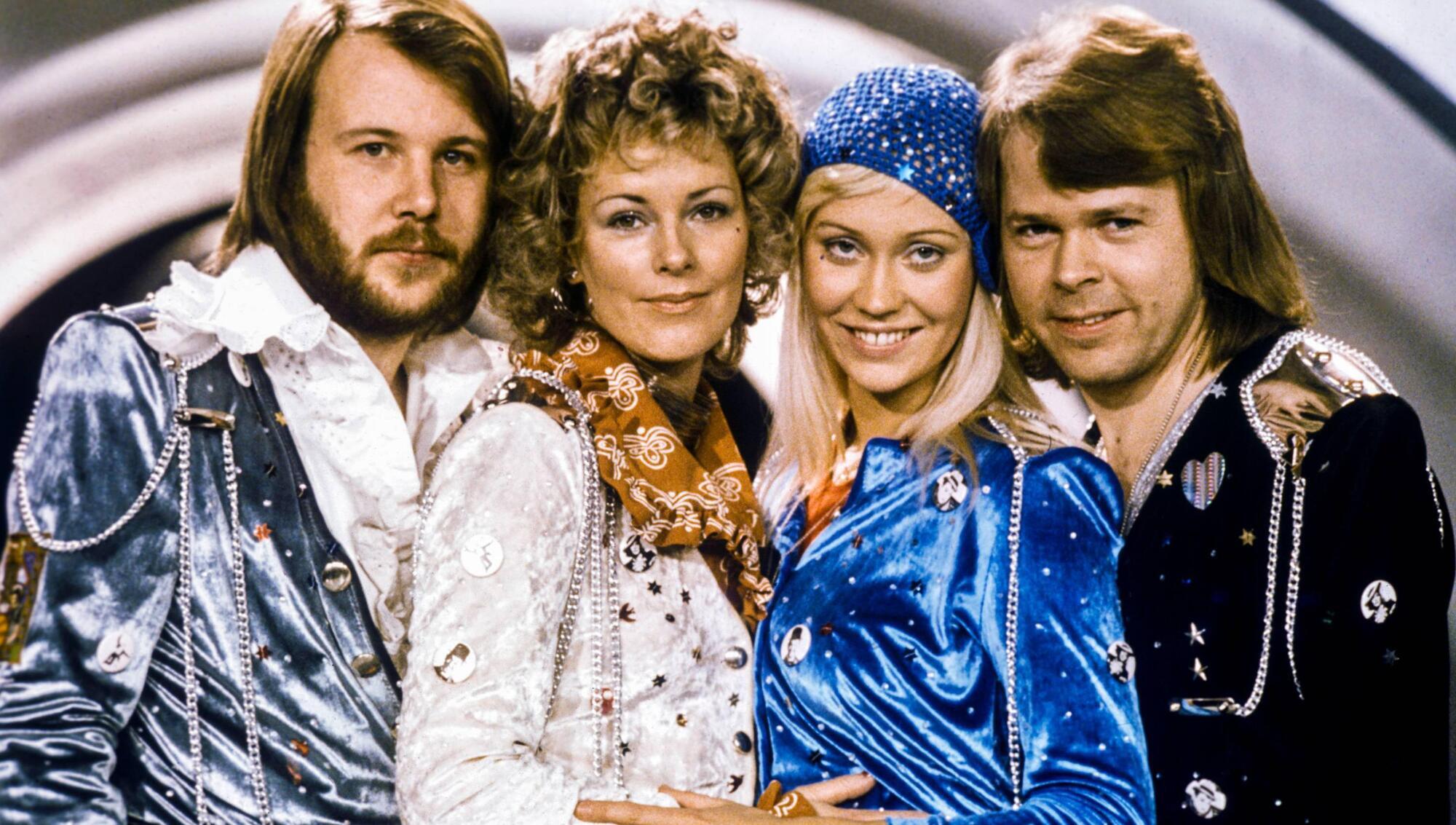
Benny Andersson, Anni-Frid Lyngstad, Agnetha Faltskog and Bjorn Ulvaeus ignited Eurovision in 1974 with 'Waterloo'. Their victory came the year after Israel's debut in the annual song contest. Picture: Olle Lindeborg/AFP/Getty
Although we may not often call him to mind, there are at least two good reasons for being grateful to the Roman poet Juvenal. He’s known as the founding father of satire, and he gifted us the useful phrase “panem et circenses”.
It was his view that politicians, the “patricians”, preferred to keep the public, the “plebeians” onside by providing plentiful food and entertainment. That’s where the bread and circuses came in.
There are very many people in Ireland who will be delighted that our country has decided to withdraw from an event which might be thought to fulfil the very definition of bread and circuses.
They will be celebrating our stand — alongside Spain, the Netherlands, Iceland, and Slovenia — against Israel’s involvement in the Eurovision song contest scheduled for Vienna’s Stadthalle next May.
Ireland confirmed earlier warnings that we will not participate, and that RTÉ will not broadcast the event, after the European Broadcasting Union declined to call a vote of members, thus clearing the way for Israel to take part, as it has every year since 1973.
Some other countries, Belgium, Finland, and Sweden, say they are undecided over their stance, while major financial contributors to the musical jamboree such as Germany, Austria, and the UK are aligned with the EBU decision.
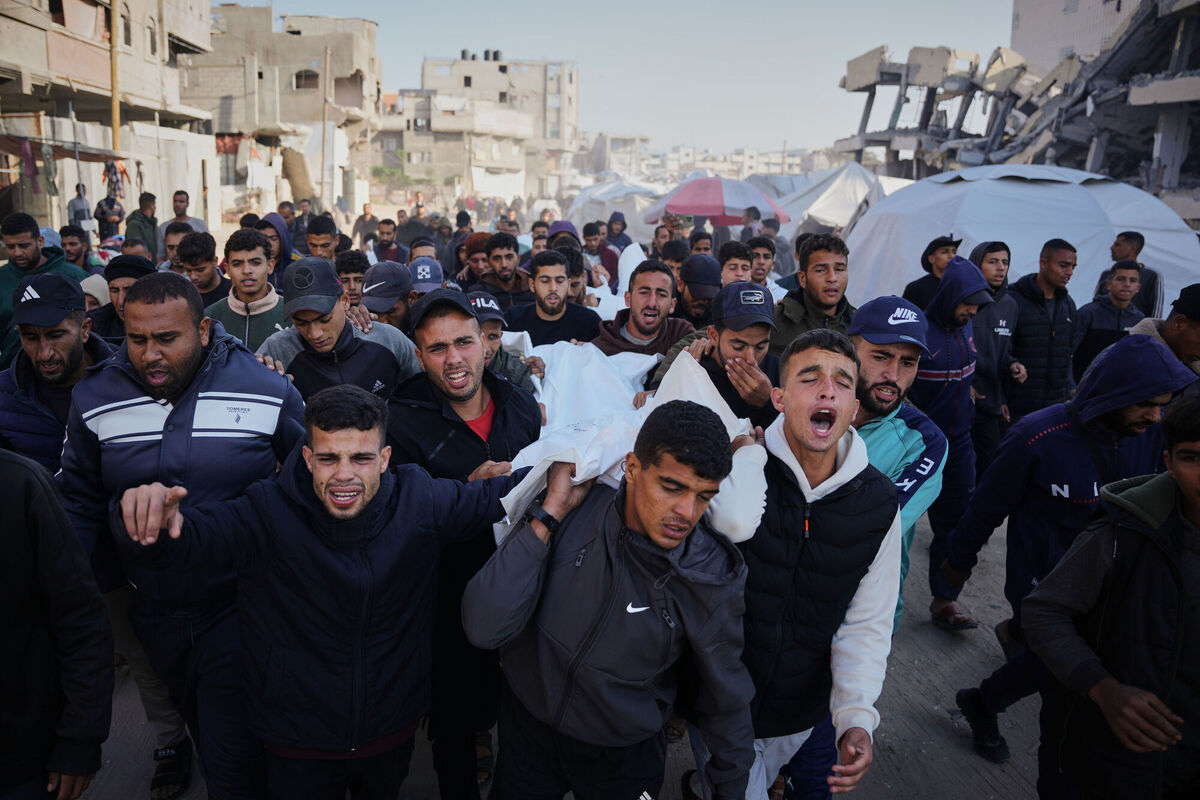
RTÉ say it would be “unconscionable” for Ireland to partake in the event given the “appalling loss of lives in Gaza and the humanitarian crisis there”. It points, also, to the “targeted killing of journalists” during the conflict and the continued denial of access to international journalists to the territory”.
There has been an ever increasing rancour around Eurovision since the Hamas terrorist attacks of October 7, 2023 precipitated a disproportionate and brutal response by the Israel Defense Forces which sowed division and anger across much of the world.
The 2024 competition in Malmo, where Ireland was represented by Bambie Thug, was a turbulent and unpleasant experience for many. Vociferous pro-Palestinian campaigners unsuccessfully urged participants to boycott the event. Fans arriving at the heavily policed concert venue were jeered and catcalled. A Dutch rapper was excluded. Israel’s entry song, originally entitled October Rain, renamed Hurricane, contained thinly coded references to the Hamas attacks.
The acrimony was maintained earlier this year in Basel, Switzerland, where Ireland’s contribution, Laika Party, was delivered by Norwegian singer/songwriter Emmy. Boos rang out for Israel’s performance, although it substantially, and controversially, headed the televote element of the competition enabling it to finish second overall.
Now that the fissures have appeared in Eurovision it is difficult to see how they will be repaired given that the situation in Gaza/Palestine remains intractable and is likely to be so for many years ahead.
Only those with a particularly accurate crystal ball can predict where the weapons of sanctions or boycott may be wielded next.
It is one thing to stop singing songs, and quite another to impose financial penalties.
In October, Reuters warned that any potential move by Ireland ahead of, or wider than, EU policy was making Irish businesses anxious and that some commercial leaders are keen to limit action to a handful of products from Israeli-occupied territories and to ensure that services are excluded.
Tánaiste Simon Harris has said he is awaiting advice from the Attorney General and that a bill will be brought before parliament before it breaks in mid-December.
In the meantime, there are plenty of other events where we share platforms with Israel and who might wager against those coming under scrutiny and criticism in the next 12 months?
Our swimmers have been competing in the European Short-Course Championships in Poland this week. And so has Israel. We will be at the Winter Olympics in Milano-Cortina, Italy, in February. So will Israel.
It’s a shame, but not unexpected, that Eurovision has come to this.
Israel first took part in the year of the Yom Kippur War, in 1973, just a few months before Abba went to Brighton for a performance which brought the contest to a new level.
Now Israel is in, and we are not. It is a decision which, to paraphrase , makes us feel like we win when we lose.
One of the international events where we can’t meet Israel is next year’s World Cup, after their 3-0 defeat by Italy in October.
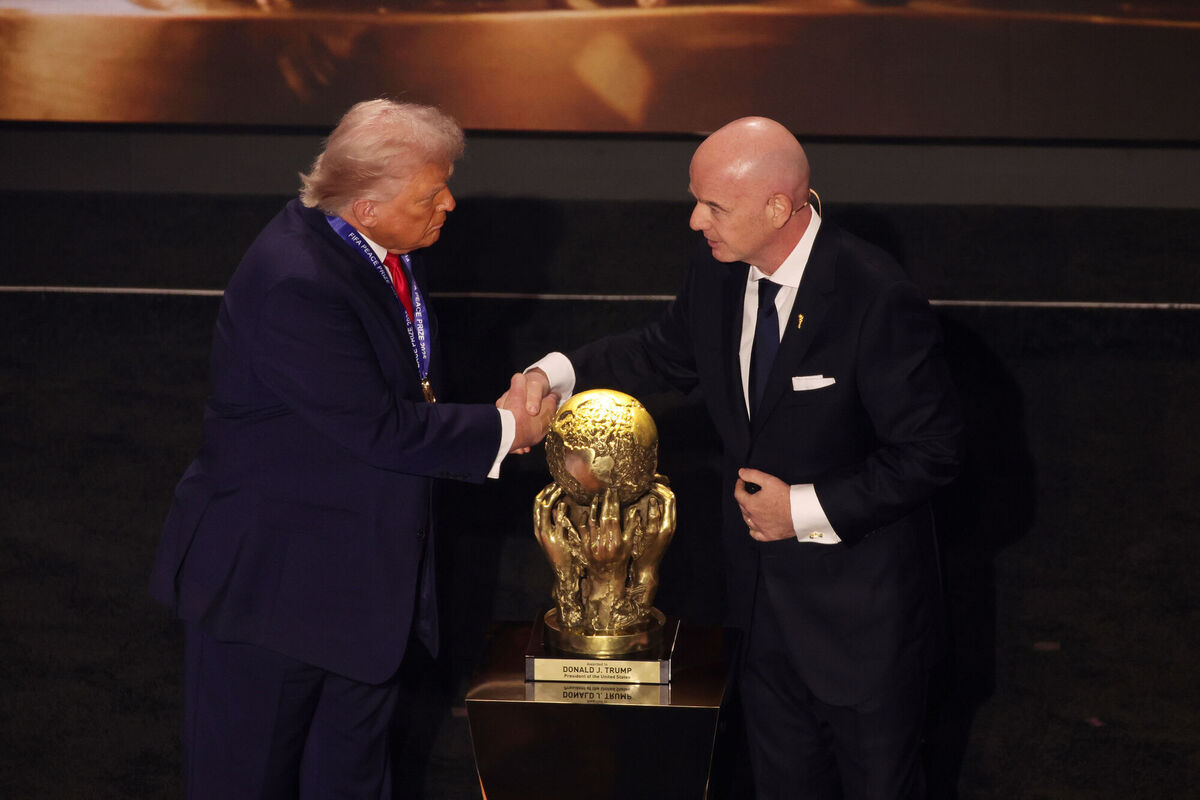
That will be something of a blessing for football fans who are accustomed to their sport being used as a cipher for political activity, as it was again yesterday at the John F Kennedy Center in Washington DC.
On this occasion, who would have guessed in advance that Donald Trump could have been the recipient of the inaugural Fifa Peace Prize handed over by Gianni Infantino.
This will no doubt be some consolation for being pipped to the premier Nobel Peace Prize, awarded to María Corina Machado, the opposition leader from Venezuela, in October. There’s always next season.
Although we have yet to qualify, we got an oblique reference, via European play-off D in Pot 4 of Friday’s World Cup draw.
If we can beat Czechia, and either Denmark or North Macedonia next spring, we can go to the US in June and July. That’s plenty of time to practise your straight face and lack of craic with US Customs and Border Protection officers.
One of those self-improving pieces of advice which is often trotted out by Silicon Valley types, and their admirers, is “move fast and break things”. It’s usually attributed to Meta/Facebook founder Mark Zuckerberg, although that may be apocryphal.
In its rawest form it is a slogan beloved of people and organisations who like to see themselves as ‘disruptors’, taking on old and established — and often well-known and reliable — services, applying the brisk and bracing shake of technological advance, and seeing what emerges on the other side.
One manifestation is having an increasing impact in Ireland, focussed on the capital city and the nation’s main airport, with taxi drivers who are irked over the policies of Uber — there’s a not so subliminal clue in that choice of company name — and their efforts to control the “for hire” market.
Uber has only been around for 14 years since its public launch in San Francisco. Its app-driven ride hailing, courier, food delivery, and freight services can now be found in approximately 70 countries and 15,000 cities around the world.
The battleground they have chosen in Ireland is subtly clever and one which will allow them to wrap themselves in the reliable cloak of consumer choice. Who doesn’t love to be given a choice? Until, of course, there aren’t any left?
Uber’s new feature allows passengers to see a set price before the journey begins. It offers certainty if there is heavy traffic or diversions. Choice and certainty? Two valuable consumer imperatives.
For traditional taxi drivers, it erodes the influence of the meter on which the regulated system, under the aegis of the National Transport Authority, currently depends.
The NTA says it has no role to fulfill unless the fare charged exceeds the meter. But drivers of “small public-service vehicles” want fixed fares outlawed because they are adamant they will undercut licensed operators, sometimes by up to one third.
“We will not quietly accept the destruction of our livelihoods” they say.
To force the point, they had planned six days of escalated protest, including slow drive and rolling convoys, in Dublin city centre and the airport from Monday. They confirmed yesterday that all protest activity will be paused while talks take place next week.
This is going to be a difficult financial case to make to passengers because the general public likes a price reduction.Of course, transport is far from being the only industry which is being winnowed by technology. While the rental market this week marked a continuing and accelerated exodus of small landlords — largely as a response to government measures — Airbnb properties and rooms have increased to nearly 30,000 in number.
New legislation for short-term lettings, establishing a mandatory national register with Fáilte Ireland and with penalties for non-compliance, comes in next May.
It will be fascinating to see if this makes any difference to a tech-enabled service which, like Uber, has found general approval.


CONNECT WITH US TODAY



Be the first to know the latest news and updates