Garda couple deny attempting to pervert the course of justice in penalty points cases
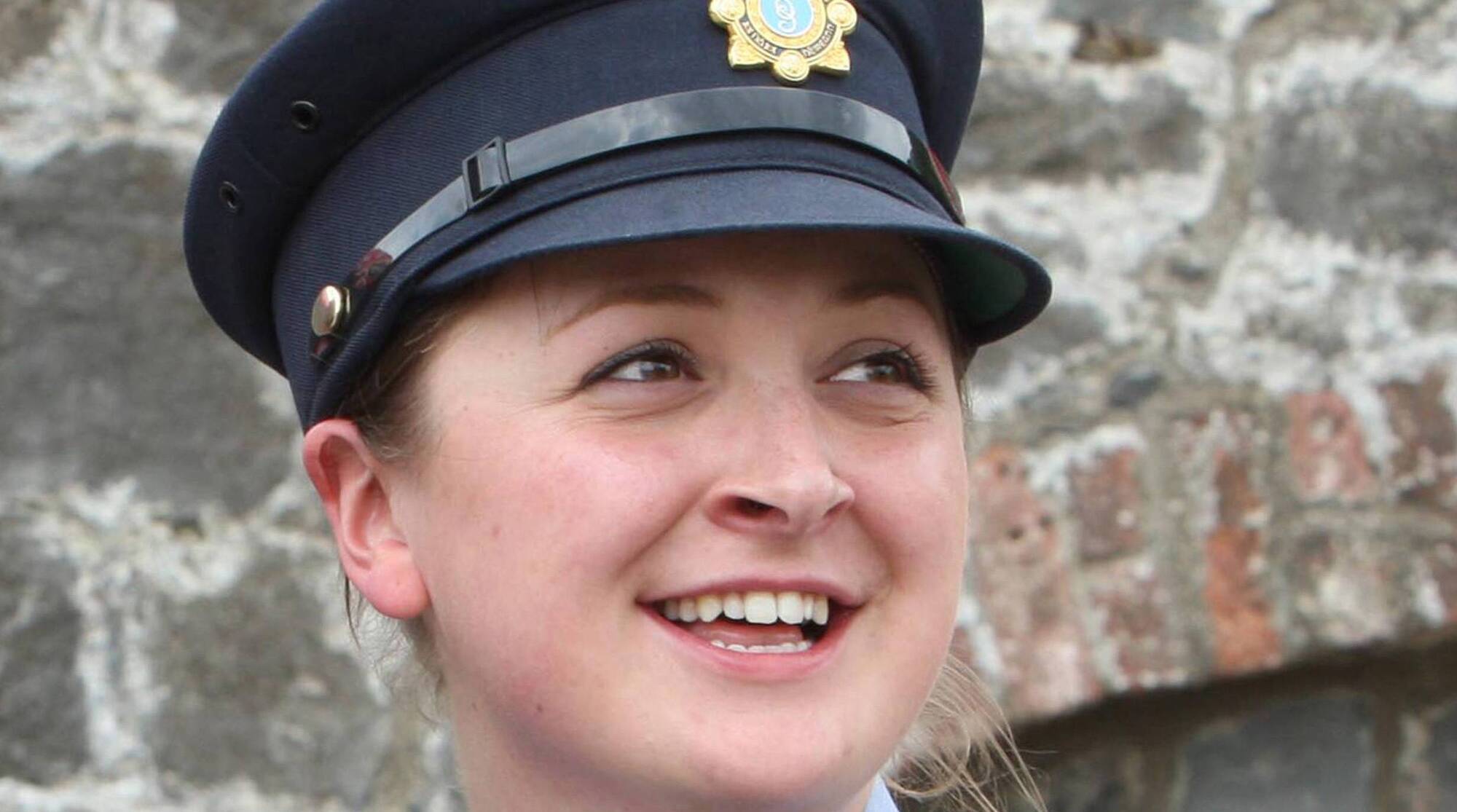
During her voluntary interview under caution, Garda Sgt Anne-Marie Hassett handed a prepared statement to her GNBCI interviewers in which she “strenuously” denied all the allegations against her. File photo: Press 22
A married garda couple have strenuously denied they were involved in attempts to pervert the course of justice by allegedly unlawfully interfering in potential or pending court summonses for road offences.
Retired Superintendent Eamon O’Neill and serving Sergeant Anne-Marie Hassett, Henry Street Garda Station, are on trial along with three serving garda colleagues, Sergeant Michelle Leahy, Roxboro Road Garda Station; Garda Tom McGlinchey, Murroe Garda Station, and Garda Colm Geary, Ennis Garda Station.
All five accused deny the charges and when contacted by detectives attached to the Garda National Bureau of Criminal Investigation (GNBCI) presented themselves for voluntary interview, under caution, in 2020. They were all later charged with a total of 39 offences in May 2021.
The court has heard evidence that civilians and other gardaí, including senior ranking officers, contacted Supt O’Neill by mobile phone, asking if anything could be done in respect of road traffic summonses issued to motorists.
Supt O’Neill is alleged to have passed the requests to Gda McGlinchey and Gda Geary, who, in turn, allegedly passed the requests onto the prosecuting gardaí, and in the case of Gda McGlinchey, who also allegedly passed the request to Sergeant Leahy, who was a court presenter at the time, with a view to having the cases struck out or withdrawn.
The court was shown a text message sent by Sergeant Hassett's phone to Sergeant Patricia Ryan, Limerick Roads Policing Unit, asking if she could use her discretion in a potential prosecution of a speeding case of a person known to her husband, Supt O’Neill. Sergeant Ryan replied that she could not.
Sergeant Hassett is accused of three offences contrary to Common Law.
During her voluntary interview under caution, Sgt Hassett handed a prepared statement to her GNBCI interviewers in which she “strenuously” denied all the allegations against her.
Sgt Hassett said: "Any communications I had with my colleagues in relation to alleged offences, committed by civilians or others, was in the bona fide pursuit of the long-established custom and practise, by members of Garda Siochana, in assisting prosecuting members to exercise properly and appropriately their discretion, as to whether or not to prosecute, by furnishing them with such further information in relation to the alleged culprit which I considered appropriate."
Sergeant Hassett said she communicated with colleagues about such matters so that colleagues could “arrive at a practical, prudent and balanced judgement, in the interest of the common good".
She said she was also guided "with particular regard to the principles set out in the 'Discretionary Powers of An Garda Siochana' attached hereto which is extracted from a report made by Assistant Commissioner John O'Mahony in 2013".
Sergeant Hassett said “any actions” on her part “conformed" with the "principles and standards outlined in the attached document (Discretionary Powers - An Garda Siochana)”.
“During my time in service with An Garda Siochana I have also received similar representations from my colleagues,” said Sgt Hassett.
She added that she was also “conscious of the prosecution guidelines of the Office of the Director of Public Prosecutions particularly the proviso, ‘it is not the rule that all offences for which there is sufficient evidence must automatically be prosecuted’”.
Sergeant Hassett said: “There are a large number of factors to be taken into account in deciding whether the public interest requires a prosecution. In particular, the DPP's guidelines state that one of the factors to be taken into account is whether the consequences of a prosecution or a conviction would be disproportionately harsh or oppressive in the particular circumstances of the offender.”
She said any alleged communications she had with her colleagues were “in keeping“ with the custom of applying discretion that has also been “exercised by even the most senior ranks within the force”.
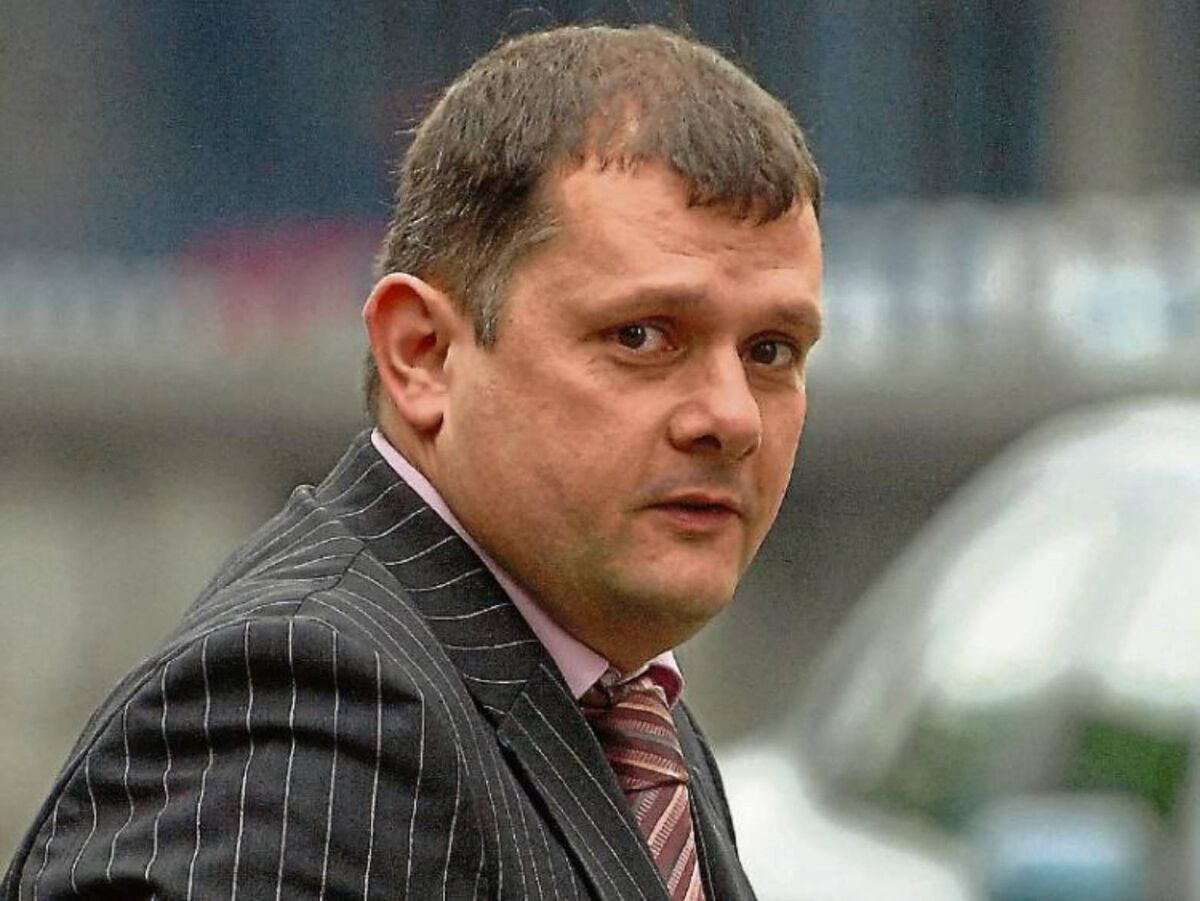
Mr O’Neill, who participated in a separate voluntary interview under caution with GNBCI, stated then that "the involvement of members of An Garda Síochána, in particular, those of high rank, including superintendents, in dealing with Fixed Charge Penalty Notices... is not a criminal offence and never was a criminal offence".
"Indeed, internal circulars and reports within An Garda Siochana allow for such behaviour,” Mr O’Neill added.
“Discretion is part of good policing, and the cultivation of good community relations, which is fundamental to the work of An Garda Síochána,” Mr O’Neill argued.
The court has heard evidence that civilians and other gardaí, including senior ranking officers, contacted Supt O’Neill asking if anything could be done in respect of summonses pending.
The court heard that Garda Geary and Garda McGlinchey told GNBCI that they received text messages from Supt O’Neill in respect of motorists' summonses; the two gardaí said they passed these requests, on behalf of Supt O’Neill, onto the prosecuting garda in each case with a view to having the case “squared”.
Sergeant Leahy, who was in a position of prosecuting cases before the district court, told investigating gardaí that she received text messages through Garda McGlinchey with queries from Supt O’Neill, about what she believed were requests to withdraw or strike out court summonses.
Carl Hanahoe, senior prosecuting counsel, told the jury at the outset of the trial: “What all of the offences have in common is the interference of involvement of Eamon O’Neill.”
The trial which is in its fifth week is continuing today.

CONNECT WITH US TODAY



Be the first to know the latest news and updates