A Nordic model for the homeless
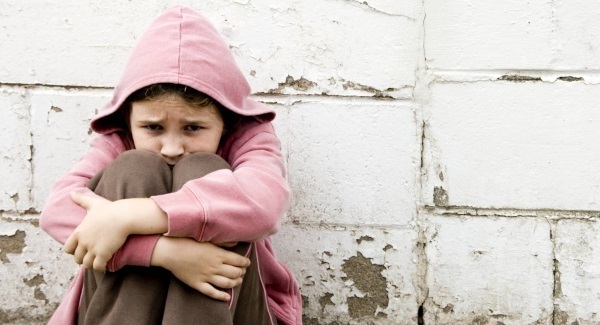
Governments cannot solve all of the problems that take people from their own homes to sleeping bags, blankets, and cardboard tents in doorways on city streets, an all too familiar sight now not only in Cork and Dublin, but also across Europe.

A Nordic model for the homeless

Governments cannot solve all of the problems that take people from their own homes to sleeping bags, blankets, and cardboard tents in doorways on city streets, an all too familiar sight now not only in Cork and Dublin, but also across Europe.

The problem generates much hand-wringing when temperatures drop below zero — that’s when people can die in doorways; that’s when it’s an embarrassment for cities that have tourism promotion programmes — but with the warmer months comes the tendency for us to look the other way, stopping now and again to toss coins into a hat and then hurrying on.

A beggar by the pillars of the O’Connell St post office? What a shame, but that’s the way it is.

What, we ask, as we scurry on to lunch or a night at the theatre, can we do about it?

Charities, and the many volunteers who are out night after night, do their best to provide emergency help; getting rough-sleepers get short-term shelter. But they’re unable to help all who need it and they cannot provide permanent solutions any more than they can fix all of the difficulties — marital breakdowns, mental illness, unemployment, drug and drink addiction, and sheer misfortune — that have broken the lives of those living (if it can be called living) on our streets.

But if governments cannot do everything, they can certainly do something, and ours can do much more than it has so far been willing to do. Our politicians are fond of looking across the ocean to see how relatively small Nordic countries tackle economic and social problems.

They should look now at Finland, where a long-term, government-led Housing First programme has all but eliminated rough-sleeping and begging in Helsinki.

The programme, which began in 2007, gives rough sleepers a permanent home of their own, plus help with tackling addiction, gaining skills, and finding work.

The home offer is unconditional; drink and drug use is permitted, if they agree to work with professional support staff. It’s expensive:

Finland’s government has spent €300m over the past 10 years for the provision of 3,500 apartments in housing projects and 300 support workers. It has, though, worked, because it’s premised on the assumption that very few rough-sleepers have chosen that as a preferred lifestyle.

The half-hearted approach of our Government must change. When homelessness was raised in the Dáil last year, Mr Varadkar said he found the increase in rough-sleeping “very disappointing”, after which the discussion slid into a routine Fine Gael-Sinn Féin point-scoring match about which party had done the most or the least in getting to grips with the country’s housing crisis.

The Taoiseach said €60m had been allocated in the budget for additional investment in emergency accommodation. And after the emergency shelter, what happens then? The answer is that people go back to the streets.

We don’t want to be told that Mr Varadkar finds our homelessness statistics very disappointing. We are not talking about export performance, as vital as that is.

This is how Helsinki’s deputy mayor sees the problem:

Homelessness and rough-sleeping are something we just can’t have in our cities; people dying on the streets. It’s not the type of society or city we want to live in.

That is the sort of talk, with the action to back it up, we want to hear from the Taoiseach.

x

More in this section

Revoiced

Newsletter

Had a busy week? Sign up for some of the best reads from the week gone by. Selected just for you.

Cookie Policy Privacy Policy Brand Safety FAQ Help Contact Us Terms and Conditions

© Examiner Echo Group Limited