Irish Examiner view: EU needs a united approach on immigration
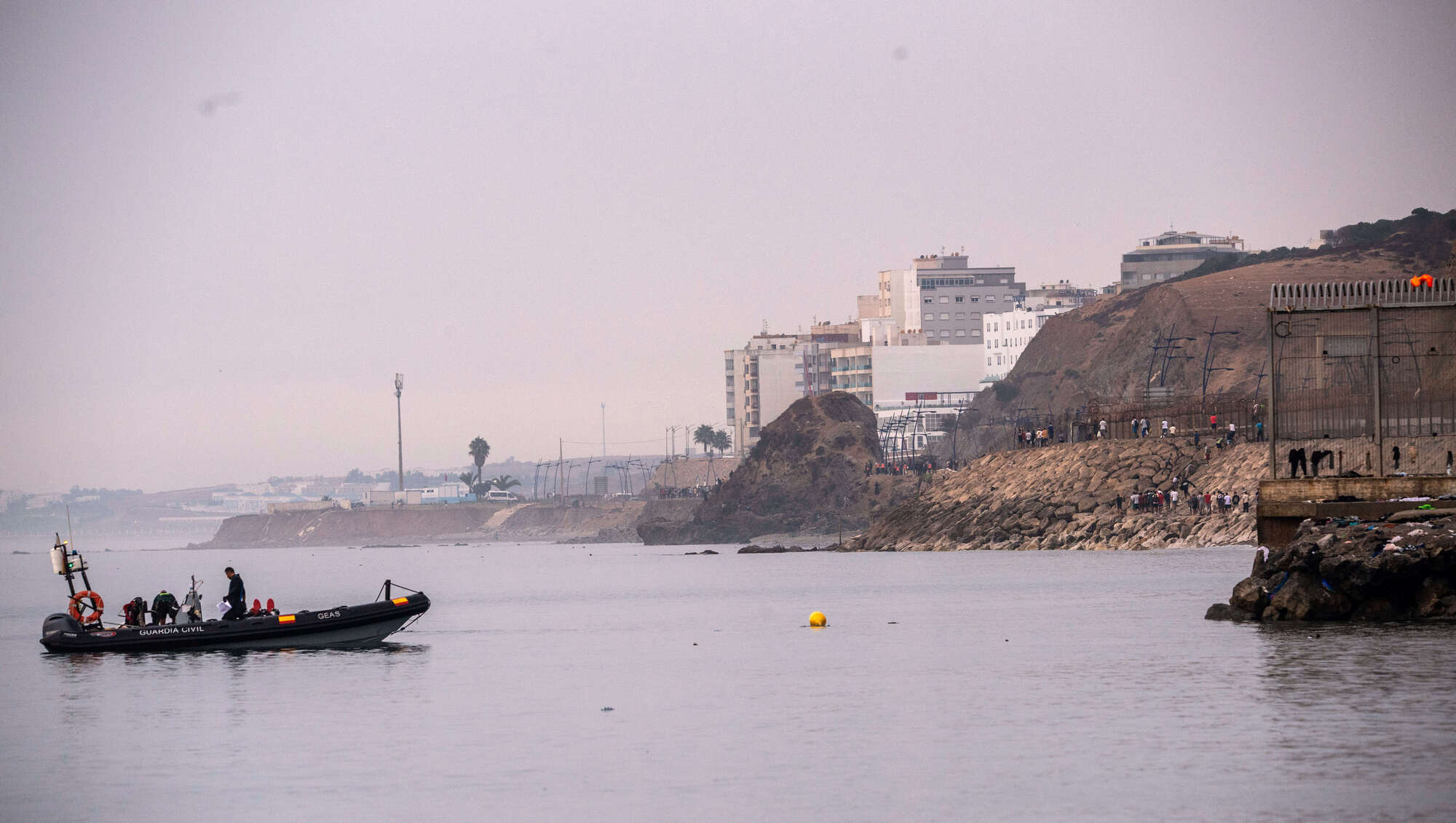
Migrants returning to Morocco from the Spanish enclave of Ceuta on Saturday. Picture: Antonio Sempere/AP
Justice minister Jim O’Callaghan is chairing an emergency meeting of EU ministers today, Tuesday, to discuss last week’s sudden influx of an estimated 60,000 people into the Spanish enclave of Ceuta in North Africa.
At least 72 people died after thousands began moving, mainly by sea, into the city last Wednesday. Although most have since left or been removed, the incident has laid bare deep divisions within the EU over migration, and particularly over how to respond to large-scale uncontrolled arrivals at its external borders.
The political reaction was swift.
Italy suspended its participation in the Schengen open-border arrangements with Spain, despite the two countries not sharing a land border.
France, while expressing solidarity with Spain, announced a significant increase in police deployment along its frontier with Spain. Portugal also said it would tighten controls on its land and sea borders.
Today’s emergency video conference was convened by Ireland in its capacity as holder of the rotating presidency of the council of the EU after 22 of the bloc’s 27 member states called for co-ordinated action and stronger protection of the EU’s external borders.
Read More
Ireland, Spain, Portugal, France, and Luxembourg did not sign the joint letter.
The letter’s language reflected the sense of alarm among signatories, warning of “uncontrolled mass crossings” and stressing the need to prevent any perception that illegal entry into the EU can be achieved on a large scale.
The letter also contained an implicit criticism that Spain’s decision to regularise the status of more than a million undocumented migrants might have acted as a ‘pull’ factor in last week’s events, an accusation firmly rejected by the Spanish government.
While the immediate crisis may have subsided, the underlying tensions have not. Migration remains one of the defining challenges facing Europe, and, driven by conflict, political instability, and the effects of climate change, is likely to become even more acute in the years ahead.
There is a broad acceptance that Europe will require sustained legal immigration to offset aging populations and declining birth rates.
There is also agreement about the need to guard against the type of uncontrolled, mass influxes seen last week and in previous crises. However, consensus breaks down over how those objectives should be achieved.
Member states differ in their willingness and capacity to absorb newcomers, integrate them successfully, preserve social cohesion, and respond to powerful anti-immigration sentiments.
Forging even the beginning of a unified European approach will not be easy. Yet that is the challenge facing today’s meeting, and one that will provide the first major test of this country’s presidency.
News that Cork City Council is considering rent increases for some of its social housing tenants has prompted immediate and predictable opposition from tenant groups and from a number of public representatives.
As reported in the yesterday, the local authority is drawing up a new maintenance programme for its stock of almost 12,000 houses and apartments that will require significant investment. Rent increases are among the options being considered to help fund the work.
Assurances from deputy chief executive Brian Geaney, that any increases would be ‘poverty proofed’, and would protect the most vulnerable, cut no ice with tenants’ groups who vowed to fight ‘tooth and nail’ against a hike. Their concerns are understandable, but a more measured response is needed when councillors debate the issue.
Read More
The average weekly council rent is €80.56 per week. By definition, social housing is provided to households on lower incomes who cannot afford to buy or rent privately.
Under Cork City Council’s differential rents scheme, tenants pay according to their means: Rents rise with household income and fall when earnings decline. That is an important safeguard unavailable to most private renters or mortgage holders.
Public representatives will shortly start making difficult decisions on how to finance local services, weighing commercial rates, local property taxes, and other revenue sources. Social housing rents cannot be excluded from that debate simply because the issue is politically uncomfortable.
If Cork City Council is to maintain and improve its housing stock, every realistic funding option deserves consideration.
Any increase must be fair, modest, and protect those on low incomes, but tenants who can afford to contribute more should not be exempt from doing so.
The bank holiday weekend will have provided a welcome boost for many pubs, with tourists and locals alike enjoying a drink, a meal, or a bit of company.
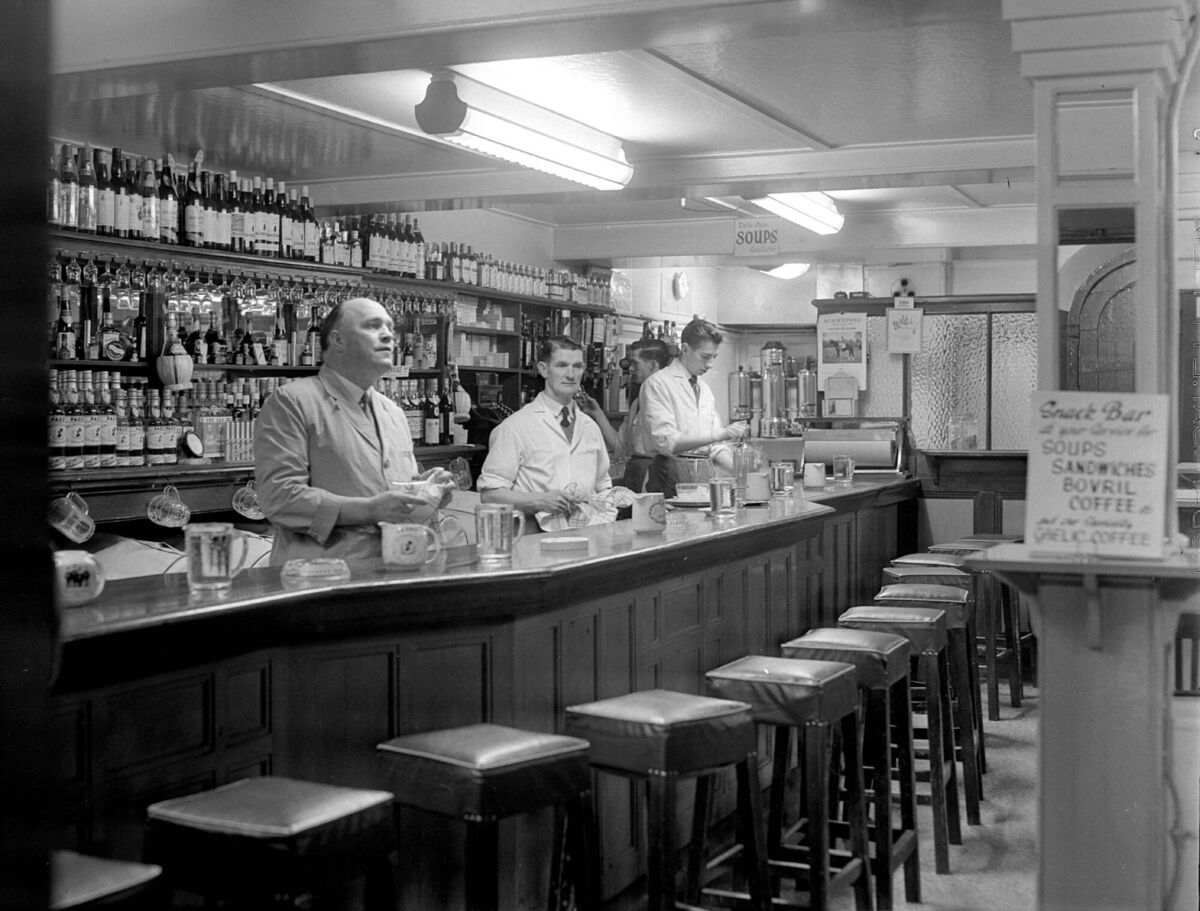
For visitors, the Irish pub remains one of the country’s great attractions. For locals, the pub has long served not merely as a place to consume alcohol, but also as a social hub.
Yet beyond the big towns and tourist spots, the number of shuttered pubs in villages and rural communities is hard to miss.
Many villages that once supported two or three pubs now have none, or just one that opens for only a few hours at weekends.
The Vintners’ Federation of Ireland says more than 2,200 pubs have closed since 2005 as rising wages, energy bills, and other costs squeeze already tight margins.
Read More
The federation has proposed a €75m tax credit scheme, worth up to €20,000 to qualifying pubs. Meanwhile, France, recognising the plight of isolated communities has already introduced measures to revive cafes and bars in those communities.
Not every proposal will be the right one, but there is growing evidence that doing nothing is not an option.
If we wait until another few hundred rural pubs have closed, we will have harmed a vital tourism asset, but more importantly, have done irreparable damage to our rural communities.

CONNECT WITH US TODAY



Be the first to know the latest news and updates