Commons to vote on Brexit deal and history unlikely to be kind to this Comedy of Errors
Time, relentless, inescapable time, eventually offers a perspective that can withstand the most one-eyed hijacking of how the past is recorded and offered as a roadmap to the future.
Events and proposals that once seemed plausible, like the 1960s advice to hide under a table in the event of a Red Commie nuclear attack, can seem more comic than real — or at least that may be how we try to shrug off the stupidities of the past in the hope (usually forlorn) that we are not as naive in how we confront our own challenges.
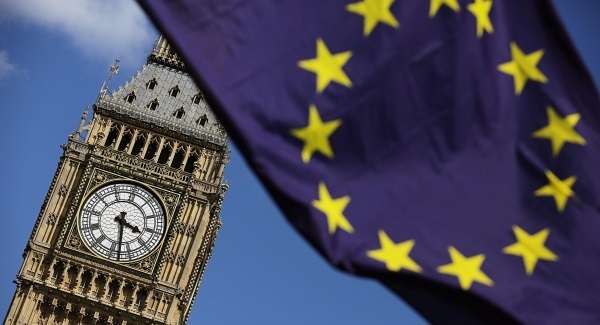
Just as James Shirley, nearly 400 years ago, recognised that mortality is blind — Sceptre and Crown, Must tumble down, And in the dust be equal made, With the poor crookèd scythe and spade — good, useful history is blind. This week, unless something totally unexpected happens, British Prime Minister Theresa May must tumble down and in the dust be abject made. The Commons votes tomorrow on a blueprint for Britain’s divorce from the EU and unless something extraordinary happens her proposal will be rejected with the kind of gusto that comes from a place far beyond rational thought. This rejection is anticipated despite the absence of an alternative or the fact that the deal represents a technical step and salient details on Euro/Anglo relationships are not finalised.
Already the vultures — there are many — are circling. Yesterday Mrs May’s former work and pensions secretary Esther McVey said it would be “very difficult” for Mrs May to continue as prime minister if she failed to renegotiate the deal. McVey declined to rule out running for the Downing Street job “should a vacancy arise.” She also suggested that Britain should not pay the €43 billion divorce bill, and if Mrs May could not renegotiate that bill or the backstop then Britain should go for a no-deal Brexit.
Her no-deal harrumphing seems utterly reckless in the face of the near-universal understanding that such a collapse would have an unprecedentedly negative impact on Britain’s economy and especially in deindustrialised constituencies — Britain’s Rust Belt — that voted “Leave”. The collateral damage caused by a no-deal divorce, especially to an economy like ours, seems of no consequence to those waving the no-deal big stick even though that stick is more a sword of Damocles.
But at least her argument is not as offensive as the proposal from Priti Patel, another former member of Mrs May’s cabinet. Ms Patel suggested using the prospect food shortages in Ireland to secure a better deal.

Ms Patel, who eventually squirmed and insisted she had been misunderstood, may have forgotten, that the last time Britain tried a starve-and-subjugate policy here that policy became a catalyst for our independence.
This week’s events will be the mixture of froth and substance that precede change. Despite the drama, despite the huge but transient significance our grandchildren will judge this staggering as we judge the hide-under-the-table advice.
How much better their world might be if the energy wasted on Brexit was focussed on averting climate change, famine in Yemen, data-grabbing, tax-shy multinationals or deepening inequality.
Sadly, it seems part of the human condition that we are all bit players in a never-ending Comedy of Errors.
CONNECT WITH US TODAY



Be the first to know the latest news and updates