Marx’s bicentenary: Great ideas we condemn to failure

It’s some years, maybe a generation, since the gently provocative goad — Why is America not socialist? — animated dinner parties of certain, well-choreographed, kaftan-wearing kind.
Beef tournedos rossini, baked alaska, and Matthews rosé enjoyed in a fog of cigarette smoke (Gitanes if anyone was a member of a dramsoc) were happy lubricants of the debate that inspired Michael Cimino’s great 1980 film Heaven’s Gate.
That epic was excoriated by critics and bankrupted United Artists.
However, the answer to the dinner-party question seems neatly answered in a cheeringly no-holds-barred, star-spangled way by the film’s balance sheet. It cost $44m to make but took only $3.5m at America’s box offices — even a truth, even a truth you reject, must be commercially viable in the wellspring of modern capitalism.
Or, as another, earlier advocate of American socialism, Woody Guthrie put it so sharply: “California is a garden of Eden, a paradise to live in or see; But believe it or not, you won’t find it so hot, If you ain’t got the do re mi.”
Discussions provoked by the bicentennial of Karl Marx’s birth may not have revived an interest in tournedos rossini, baked alaska or Guthrie’s raw-soul Dustbowl songs of inhuman injustice, but they have stirred the embers of that long-ago debate.
Marx is going through one of his occasional reappraisals, though this time around his credo is set against the economic implosion of 2008 and all of the corruption and immoralities that made that wealth-destroying, security-robbing catastrophe inevitable.
This time around, the wind seems set fair in his favour, or at least more favourable than any time since student riots engulfed Paris 50 years ago.
As is often the case in binary debate, it is easier to argue one position if the alternative has failed.
No matter how daft, no matter how counter-intuitive Marx’s ideas may seem in today’s bitcoin, digitally-democratised but digitally-threatened world, could they do any more harm to our capacity to ensure basic social equity and material security for all citizens than, say, Anglo Irish or the Royal Bank of Scotland did?
Would we have a housing crisis if, like Bertie Ahern declared he was, Brian Cowen, Enda Kenny, and Leo Varadkar were, socialists?
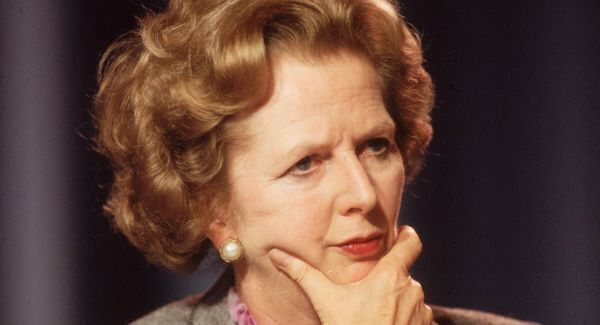
Would Brexit have been endorsed if Margaret Thatcher had not made so many Labour voters property owners with real skin in the game by encouraging them to buy the homes they rented from their local authorities?
Maybe, maybe not, but if you leaven theory, especially dinner-party theory, with real, gulag-littered history, it makes it easier, it certainly more pragmatic, to choose the property-rights philosophy we live by today.
To paraphrase a man who was certainly not a socialist, capitalism is the worst kind of an economy apart from all the rest.
Maybe it’s time the Marx yes-or-no question evolved into something more honest.
Socialism and capitalism are wonderful theories but they have not delivered their promise.
Christianity is a wonderful theory too but it struggles to remain influential. What is it about humanity, about us, that condemns empowering ideas to something pretty close to failure?
Are we, rather than the theory, the problem?
CONNECT WITH US TODAY



Be the first to know the latest news and updates