Compromise that accepts Irish realities: Progress on Brexit talks
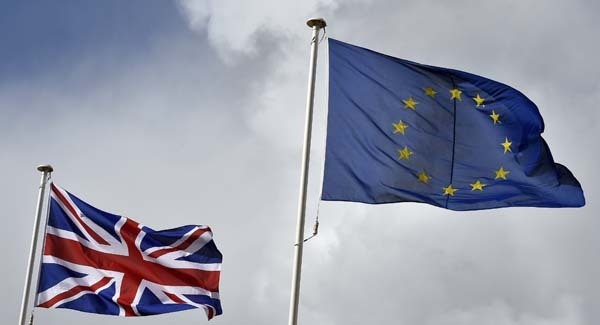
To use a metaphor rooted in one of the passions people on both sides of the Irish Sea share with an equal but competing zeal — the fence akin to the Grand National’s Becher’s Brook has been, in terms of the divorce negotiations between Britain and the European Union, navigated successfully at the first time of asking. But as any racing watcher who knows their Rule the World from their One For Arthur understands that daunting obstacle must be negotiated twice before finishing-straight tactics can be applied. A satisfactory conclusion remains a hope yet to be realised.
Yesterday’s announcements that a deal had been struck that would allow Brexit talks move on must be welcomed — even if that welcome must be qualified until the full terms, and their application, are understood and seen.
EU Council president Donald Tusk said he was “encouraged”. EU chief Brexit negotiator, Michel Barnier, said Theresa May had conceded that the six counties would be treated as a special case with “continued regulatory alignment” on the island after Brexit. A draft deal suggests that “in the absence of agreed solutions the UK will ensure that there continues to be continued regulatory alignment” with the internal market and customs union. This, at first reading, seems to allay the worst fears of the moderate majority on this island. A lorryload of cheese travelling between Strabane and Lifford will not, or at least may not, face four-figure tariffs. “Continued regulatory alignment” seems to suggest things will continue pretty much as they are and that natural hinterlands can continue to work and grow together. Everyone on these islands must be relieved too that the kind of entrenched deal that would have encouraged unrepentant terrorists to unearth the pike in the thatch has been avoided.
Despite that, the draft deal has been, surprise, surprise, rejected by the Democratic Unionist Party. Right on cue, Ulster says “no” one more time. However, the fact the DUP position is anything but democratic — NI voted 56-44 to stay — might encourage the British prime minister to be less indulgent of Arlene Foster’s party and their British-as-Finchley demands. The DUP are, with the help of a €1bn bung, supporting Mrs May’s government so they may imagine they cannot be ignored. Possibly, but not entirely. Should the DUP abandon Mrs May an election looms, one that may make Jeremy Corbyn prime minister. In those circumstances the DUP might reach a full understanding of that line from Hamlet: “Hoist with his own petard.” That Scotland’s first minister Nicola Sturgeon has demanded that Scotland be allowed to stay in the single market under the same terms will add more than luster to the debate.
Considering the domestic difficulties faced by our Government last week this is a considerable achievement for Irish politicians and diplomats, one that should not go unrecognised. The role of the EU and Mrs May’s 11th-hour recognition of reality, Irish and British, were significant too. Despite that the deal is just an opening gambit. To quote a man who insisted his unexplained wealth was a dividend of his ability to tell the difference between a Rule the World and a One For Arthur — a lot done but a lot more to do.
CONNECT WITH US TODAY



Be the first to know the latest news and updates