Migrants' lives are complex too — but we are punishing them for it

Under the new laws, a refugee who is receiving one-parent family payment will not be allowed to apply for family reunification — they may also be restricted from becoming an Irish citizen, under new proposals.
First they came for disabled refugees — and carers and single mothers who are refugees. What changes to citizenship legislation say about who deserves to have a voice and a vote?
I am deeply concerned about discriminatory and inhumane restrictions in the proposed citizenship legalisation, and I believe most Irish people will be too. The impact of the law, currently in early drafting, would be to exclude some disabled people, carers, and single parents from becoming Irish citizens.
Once again, I find myself trying to remind people that immigrants are humans. I wrote before about my concerns on the disproportionate impact of English language tests for those that are most marginalised in our communities.
Since then, the General Scheme of the Irish Nationality and Citizenship (Amendment) Bill 2026 has been published and I fear the proposed “self-sufficiency” requirement will remove a path to citizenship for whole cohorts of vulnerable people and effectively disenfranchise the very people that should be heard.
This will get a bit technical, but bear with me: The general scheme proposes that legislation be amended to include that the person applying for citizenship has “sufficient resources for himself or herself not to become an unreasonable burden on the State”.
Read More
The explanatory note for this paragraph says the self-sufficiency requirement is in line with a similar provision introduced to the family reunification process in the International Protection Act 2026 — that is it, that is the clue.
Earlier this year, the Government passed legislation making it harder for declared refugees to reunite with their nuclear family. If the refugee applying for family reunification is an adult, they can only apply for their spouse and children under 18 and children that are over 18 can only be included if they are dependent or have a serious disability.
The International Protection Act 2026 in section 205(6)(b) states the refugee applying to reunite with their nuclear family must not be getting a prescribed social welfare payment at the time of their application for family reunification or in the two years immediately before their application.
These prescribed social welfare payments are listed in the Statutory Instrument 252/2026, and the list includes: blind pension, one-parent family payment, carer’s allowance and disability allowance.
Read that again — a refugee who is blind or is in any other way disabled and needs to rely on disability allowance, is parenting alone, or is caring full-time is considered to be an unreasonable burden on the State, and because of this cannot reunite with their spouse and children.
I think these family reunification rules are cruel and do not represent the decency of the many Irish people, but it appears these rules are the template for “self-sufficiency” for becoming Irish.
Becoming an Irish citizen can be about many things: security, belonging, identity and — importantly — about having a voice and a vote in general elections and changes to our constitution.
I fundamentally believe being a carer, parenting alone or being disabled should not disqualify someone from having that voice and that vote — and I think most Irish people would agree.
Imposing these so called “self-sufficiency” rules for citizenship will only serve to disenfranchise migrants and weaken Irish democracy. These proposed changes will dilute the number of lone parents, carers and disabled people who can vote in elections. For them, for you and me, we must speak out now.
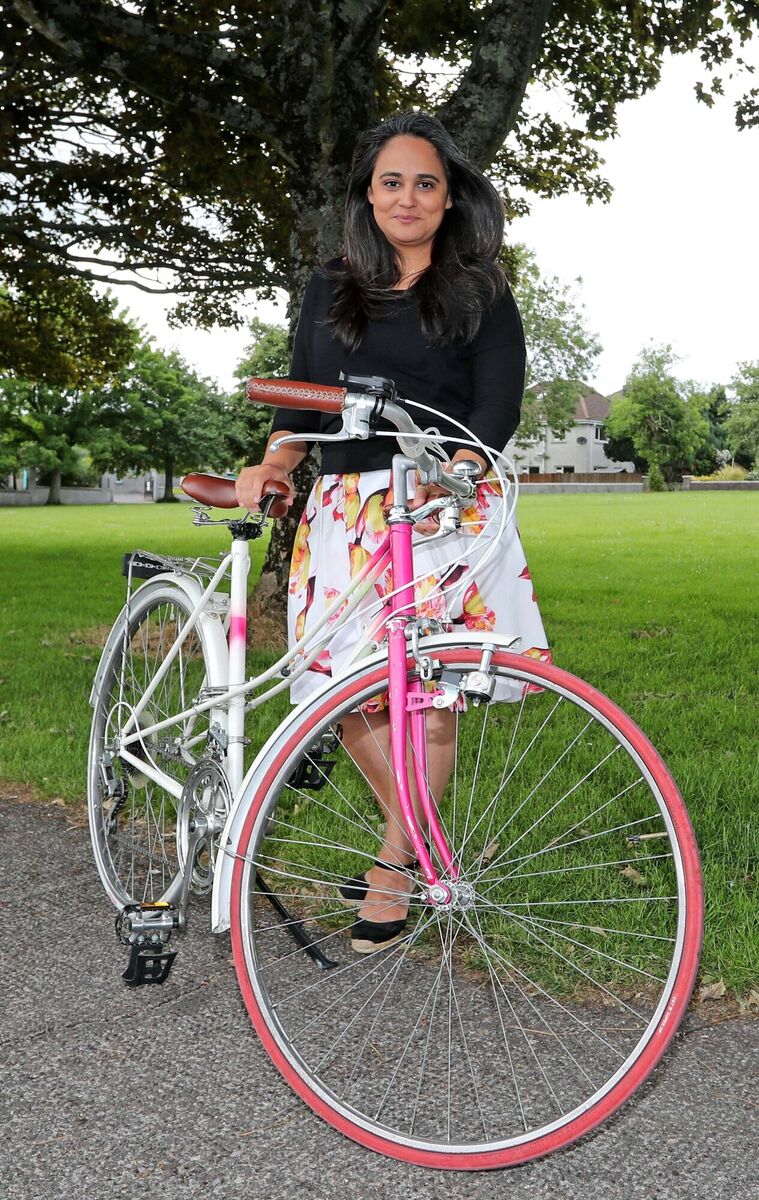
- Majo Rivas lives in Cork. A law graduate, Majo has worked in advocacy on women’s rights, migrant rights, disability rights and access to Government supports. She writes in a personal capacity

BLACK FRIDAY
Already a subscriber? Sign in

CONNECT WITH US TODAY



Be the first to know the latest news and updates