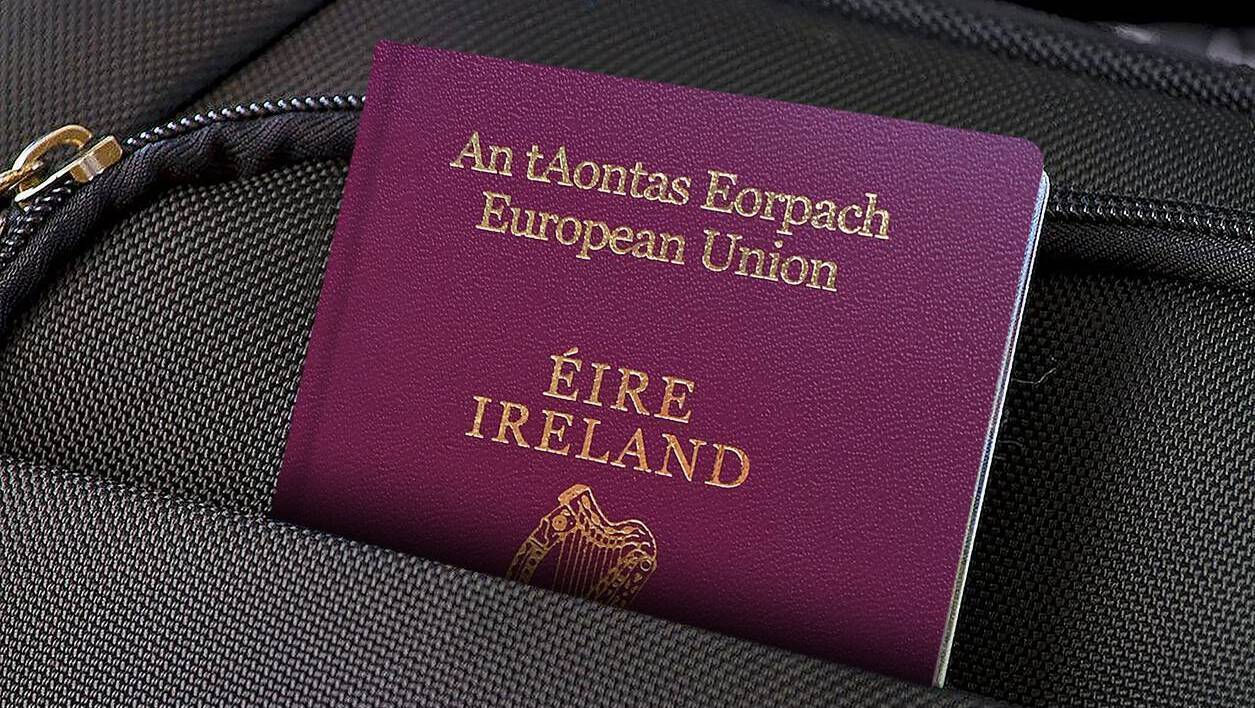
'Constitutional concerns' over plans to reform citizenship revocation
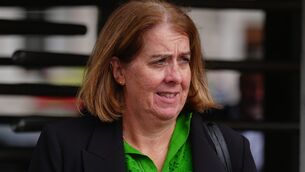
Liam Herrick stated at an Oireachtas justice committee that the plans 'contradict' the aims of the Government's previous revocation reforms.
There are “constitutional concerns” about the Government’s plans to reform how citizenship can be revoked, the Irish Human Rights and Equality Commission (IHREC) has said.
IHREC chief executive Liam Herrick warned the Government that its proposals to reform naturalisation could give the justice minister “excessive” powers to revoke citizenship.
Proposals from the Government are set to make a number of changes to naturalisation, including increasing the time required to live in Ireland from five to eight years, as well as introducing new language tests for English, Irish, or Irish Sign Language.
On revoking citizenship, the justice minister will be provided with distinct powers to revoke citizenship on public order and national security grounds.
This will include a streamlined process, with junior migration minister Colm Brophy describing this as a “reasonable safeguard for any state”.
Read More
This comes after the Government restarted citizenship revocation in 2025, after a 2021 Supreme Court ruling found that a lack of safeguards made the previous system unconstitutional.
These reforms gave 28 days to individuals who had citizenship revoked to make representations to the justice minister.
Further to this, individuals will have 14 days to seek an inquiry into the decision.
These inquiries are assessed by an independent committee, made up of a senior judge and two ordinary members.
Speaking at the Oireachtas justice committee, Mr Herrick said IHREC is “very surprised” to see the Government move to further reform revocation of citizenship, pointing to the Supreme Court decision in 2021.
He said: “We are concerned that the proposed introduction of broad grounds of public policy, public order, and national security could give rise to uncertainty and excessive ministerial discretion."
Mr Herrick said the safeguards of the independent committee is set to be “diminished” by the Government.
He added processes for naturalisation and revocation must be “fair, proportionate, transparent, and accessible”, while taking into account the circumstances of people who may be vulnerable to exclusion.
Mr Herrick said the Government’s new proposals “contradict” the aims of its previous revocation reforms.
He said: “The grounds that are now being introduced greatly expand the discretion and the potential arbitrariness of the basis on which decisions were made.
"So we're very clear. We believe that there are constitutional questions raised by the proposals."
Ibec’s head of skills and social policy, Kara McGann, raised concerns about proposals to increase the time required to be resident in Ireland.
Asked if she was fearful of the impact on the economy if the change was introduced, Ms McGann said: “Very much so.”
She pointed to it reducing the attractiveness of Ireland for workers to come to.

BLACK FRIDAY
Already a subscriber? Sign in

CONNECT WITH US TODAY



Be the first to know the latest news and updates