The EU is right to focus on affordable housing but it's running out of time
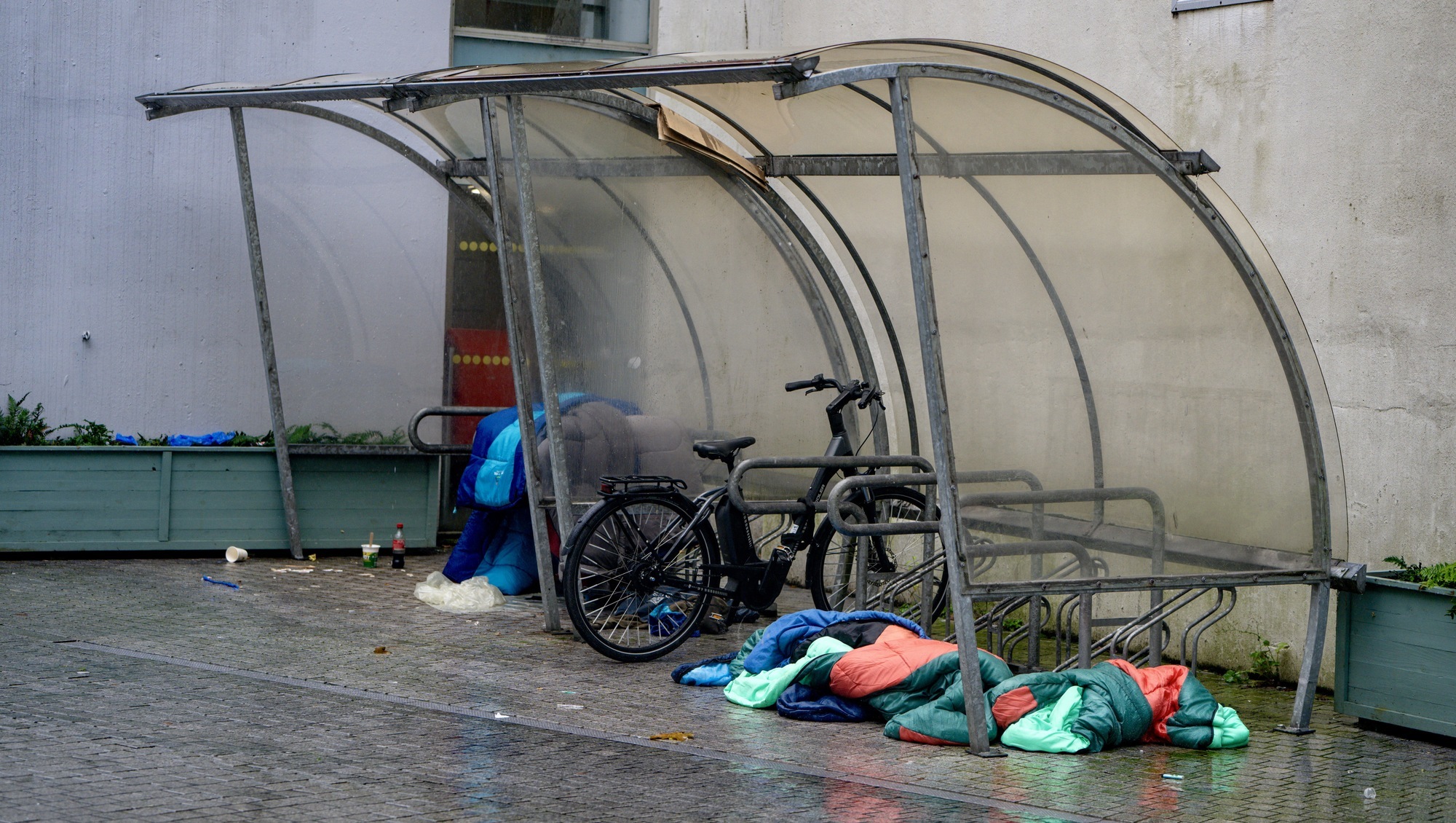
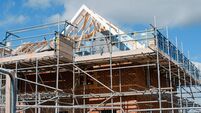
On homelessness, we simply must have a housing-first approach. Emergency accommodation cannot become a permanent solution. File picture: Chani Anderson
The housing crisis in Ireland and Europe is one of the defining challenges of our time. From Lisbon to Cork, Amsterdam to Berlin, the shortage of affordable and accessible housing has become a social, economic and political emergency.
European Council president António Costa has described the housing shortage as a fundamental threat to European democracy. He's right. The lack of affordable homes is eroding trust in governments and institutions in real time.
For vivid evidence of this, see recent protests across Spain — which helped trigger a snap election — and in many cities in Portugal.
Unaffordable housing is also a clear contributing factor for demonstrations (and more widely reported social unrest) in France, as well as Italy, Belgium and Greece.
Since 2010, average property sale prices across the European Union have risen by 55%, and rents by 27%, according to Eurofound. This has been compounded by income growth not keeping pace.
The latest Eurobarometer surveys show Europeans want the EU to focus on the , with affordable housing an increasingly urgent part of that challenge.
For younger generations in particular, time is running out. According to Eurostat, almost one third of 25-34-year-olds still live with their parents. As Irish citizens at home and abroad know very well, the situation on this island is especially acute given house prices have increased by 182% since 2013.
Read More
And it's not just major life decisions like starting families or pursuing career opportunities are being postponed. There's increasingly a fear that insecure housing today could lead to impoverishment tomorrow.
The numbers of homeless in Ireland continues to rise, now over 18,000. Shockingly, one third of these are children.
And while housing policy remains primarily a national responsibility, housing is no longer simply a national issue. It's a major drag on competitiveness — a central priority for the EU — because it makes it harder for business to recruit and retain employees. It reduces labour mobility, with key workers priced out of the communities they serve. It hits consumer spending.
The scale and complexity of the issue therefore demands a coordinated European response.
One year ago, in my inauguration address as president of the European Economic and Social Committee, I called on the EU to declare housing an emergency. This would not only send a clear signal. It would allow the EU to take exceptional, collective action, as it did during the covid-19 pandemic and has done to support Ukraine. This has included common borrowing, loosening of fiscal and state-aid rules, and new financing mechanisms.
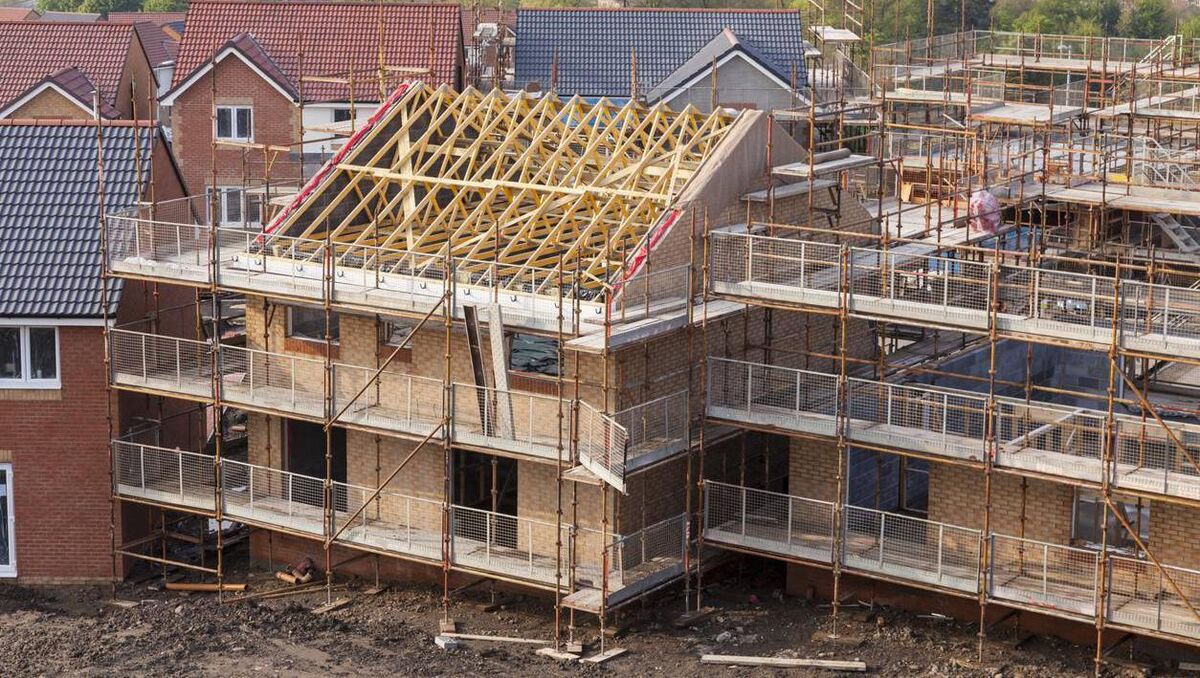
By appointing Denmark’s Dan Jørgensen as the EU’s first commissioner for housing, commission president Ursula von der Leyen has made housing affordability a central priority of her second mandate.
The European Affordable Housing Plan was launched a year ago and legislation is currently in development, which aims to increase housing supply, unlock investment, reduce administrative barriers, and address short-term rentals. This is a significant welcome shift in EU policy.
But the EU's efforts risk being incremental and not meeting what this moment demands.
This week at Dublin Castle, I will join ministers responsible for housing and homelessness from across the EU for the latest meeting hosted by the Irish EU presidency. I will urge them to do the following:
First and foremost, we need to consider housing as a fundamental social right in the EU, essential not just for dignity and social cohesion but the stability of our democracies. We cannot expect to adequately elevate our response without this mind shift.
Secondly, it's absolutely essential we increase the supply of social housing. Public authorities should remove structural obstacles that prevent homes from being built or accessed. They should regulate and plan with affordability in mind. And, depending on national systems, they should act as providers through public and social housing, cooperatives and non-profit providers.
This obviously requires sustained investment, which brings me to my next point. Public spending rules should recognise housing as essential social infrastructure, alongside transport, energy and healthcare.
Public-private partnerships can also play a major role here. The creation of a pan-European investment platform for affordable housing could mobilise billions of euros in public and private capital.
Fourthly, we need to prioritise modern and sustainable construction methods to deliver high-quality homes faster and more efficiently. To make this happen, the EU can create common standards, inject funds and address the major skills shortage in this space.
Public housing programmes can also give industry the certainty they need to invest. Combined, this can give us a triple win: more affordable homes, lower emissions and good local jobs.
Finally, on homelessness, we simply must have a housing-first approach. Emergency accommodation cannot become a permanent solution. And we need to look beyond housing itself. Fighting homelessness also means tackling poverty.
But whether you're vulnerable to homelessness or not, affordable housing is a universal concern. At its core, it's about security, dignity and the fundamental right to have a place to call home.
A truly ambitious EU response on affordable housing would give member states the tools they need to not only guarantee this right, but to alleviate the many pressures facing homeowners and renters.
It would also demonstrate that governments can respond effectively to citizens’ everyday concerns. The future strength of the European economy, social compact and its very democracy depends on it.
- Séamus Boland is president of the European Economic and Social Committee, the EU body representing civil society

BLACK FRIDAY
Already a subscriber? Sign in

CONNECT WITH US TODAY



Be the first to know the latest news and updates