Gareth O'Callaghan: The intimacy of radio is unbeatable — change it at your peril
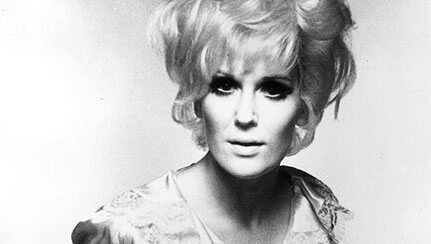
Thanks to radio, I fell in love when I was five with a woman who was 22 years older than me. Her name was Dusty Springfield.

Radio is the theatre of the mind. I can’t remember when I heard those words for the first time or who spoke them, but for me they sum up the most powerful medium in terms of connection that in many ways is the bedrock of our daily lives. Irish radio is as unique to us as bacon and cabbage.
I was reminded recently it was this weekend back in 1977 when I took part in a phone-in competition on a pirate radio station that would change the course of my life forever. I was 16 at the time.
I was tasked by the DJ with introducing three songs live on air. I can't recall what the tracks were but, out of all those who competed, my humble efforts were deemed the best. I won a voucher worth £5 for Golden Discs, with which I was finally able to buy the iconic Eagles album . Apart from the joy of winning, something much greater took hold of me that afternoon.
Any notions I might have had of settling down with a secure pensionable career vanished that day. My reluctant plan to eventually find a decent 9-to-5 was swept aside in favour of a walk on the wild side. Two years later, in 1979, radio won me over, and has done for almost 50 years now.
Thanks to radio, I fell in love when I was five with a woman who was 22 years older than me. Her name was Dusty Springfield. I still recall the first time I heard her dusky vocals in the opening piano cords of that classic song .
Or maybe it was radio I fell in love with. It was 1966, exactly 11 years before I won the competition. Radio had me before I sat in a school classroom for the first time. I even got to share that story with Dusty when I met her in London 20 years later.
Read More
Radio still has me. It’s a bond for life — something I never anticipated. I reckoned it would be a short-lived distraction — get it out of your system, put it behind you, move on with a solid career option like teaching, or accountancy.
I considered both — neither worked out. In the immortal words of Don Henley, you can check out anytime but you can never leave.
So much has changed since then, but the radio I was drawn to has endured. Many of the artists I grew up listening to and later interviewed are gone, like so many of radio’s greats who I was fortunate to work with — Larry, Gay, Marian, Gerry, and others, but the impressions they left on me live on, as they do for so many people whose daily lives they shared.
That's what my kind of radio is all about. It has been a living, breathing experience for me, one I have never tired of once; just as it is for the listeners who still reach out to connect with it every day of their lives. I am growing older with them.
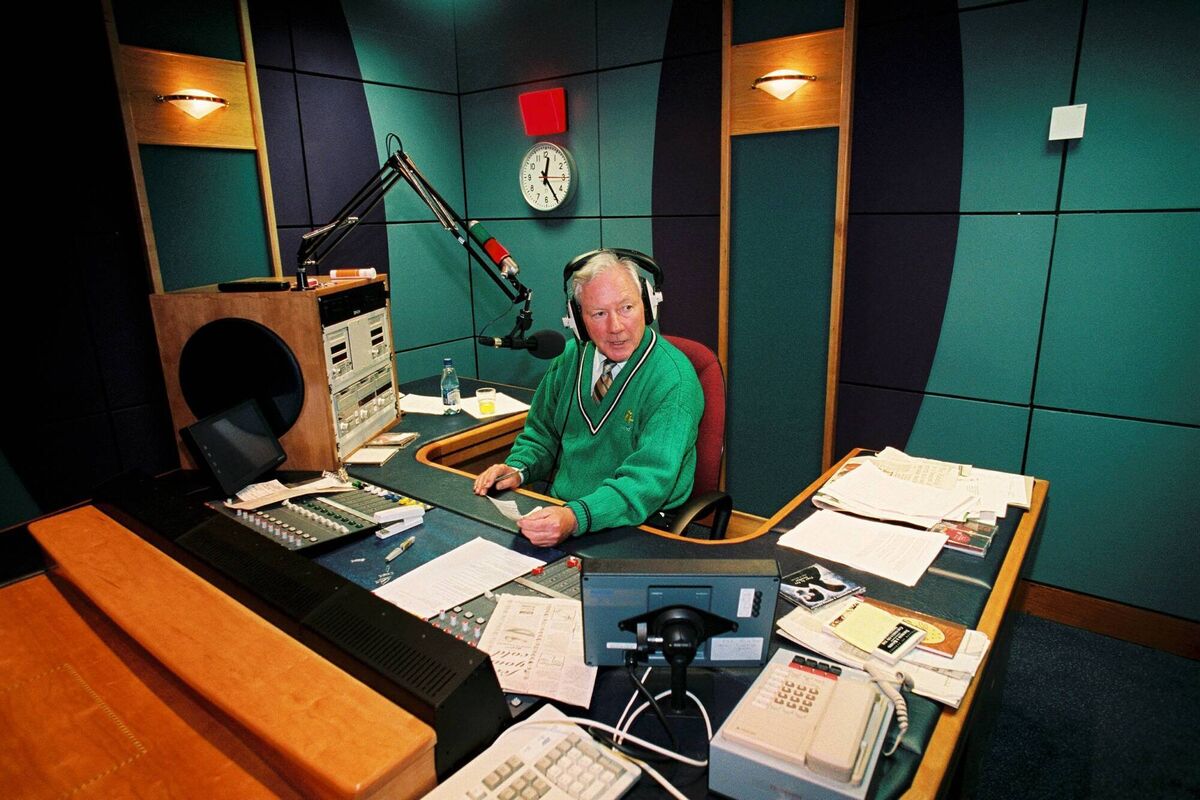
I recall a day when I was barely 12 years old. I had measles so it meant time off school. That was the morning I heard another voice for the first time, namely Gay Byrne’s.
His company filled our kitchen. I would soon discover it was my mother’s favourite time of her busy homebased day — her radio time listening to one of those rare voices filled with sanity and common sense in an Ireland where women were treated like second class citizens by church and State, or worse.
Byrne’s show became the escape hatch for those who, for most of their lives, weren’t permitted to be heard — not until he opened the phone lines and invited them into this safe space called , where he encouraged them to find their voices. Back in 1973, his was the first radio show to take callers on air.
That same boy would become a producer on the show in the mid-1990s. I was asked by former journalist Kevin Healy, who was head of RTÉ radio back then, if I was interested in the job.
Within weeks, I found myself in the deep end working closely with a legend who consistently chose to swim against the tide when it came to controversy. Gay Byrne was an enigma.
“Are you prepared to work long days and most weekends?” was the first question he asked me. “I do,” he said, “so you’ll be expected to also. The show demands nothing less than everything.” A long day for Byrne often meant 17 hours. I still suspect he never switched off.
Looking back, I remember mornings when I sat in the producer’s chair watching him through the glass partition as he launched into a story that would still be spoken about years later. His legacy can still be heard in the styles of so many of our talk show presenters today. When you worked with Byrne, you learned from the best.
Radio introduced me to some of the most powerful women of my generation who opened my eyes to horror stories and injustices I knew nothing about — Lavinia Kerwick, Vicky Phelan, Mary Robinson, Veronica Guerin, Sinéad O'Connor, Christina Noble, Laura Brennan, Adi Roche, Latitia McCrudden, and Dr Jennifer Okeke, to name a small few who come to mind as I write.
And the men whose legacies were cemented. Among others, John Hume, Fr Brian D’Arcy, Gordon Wilson, Brendan Kennelly, Seamus Heaney, Bob Geldof, and Paul McGrath.
Radio gave so many great Irish individuals a platform that dragged the rest of us into an uncomfortable reality of how violence and evil, prejudice and addiction forces many into a terrifying silence, and how their strength and renewal might never have been heard if it hadn’t been for their astonishing bravery, and the empathy of listeners who reached out in their thousands. This is why and how we respond to radio in a way that’s unlike any other country in the world.
Irish radio is unique to its listeners’ discerning ears. Change it at your peril. We’re a conversational bunch when it suits us, critical and sympathetic in equal measures, raised through the years on a diet of shame and guilt, and the obligatory holy confessional.
We were brought up as children in a strictly religious climate that forced us to hate ourselves. We had nothing to be proud of, we were told in school and in church. For many, through all the years when this country was a miserable kip, radio became our lifeline.
It’s our comfort blanket. We resort to it when we need a reassuring voice — 78% of Irish adults listen to radio every day, while around four million tune in each week. What makes it so compelling? From my experience working in the medium, it’s so much more than just company.
Why do listeners welcome a stranger — someone they most likely will never meet — into their lives every day? For many, the first voice they hear in the mornings is the newsreader — not the person lying beside them. If they don’t get their radio fix, the day gets off to a bad start.
Certain things are so sacred they shouldn’t be tampered with. Radio preference is one of those habits that’s set in stone. We have all grown and aged with radio and those household names that have seen us through good and bad times, whether that’s Micheál Ó’Muircheartaigh, David Hanley, Gerry Ryan, or Alf McCarthy.
They’re legends, even though their memories are all we’re left with. Radio will always need legends.
Great radio doesn’t do bland. When I listen to stations in the UK, it’s increasingly difficult to tell one from the other.
Our national and local stations have always been the footprints of our hard-earned efforts at remaining as Irish as we can be in a rapidly changing world that rarely thinks of anything anymore except turning a profit.
Style, skill, and unpredictability have always been at the heart of great radio. It’s what once drew me in. Almost 50 years later, it’s been worth every day.

BLACK FRIDAY
Already a subscriber? Sign in

CONNECT WITH US TODAY



Be the first to know the latest news and updates