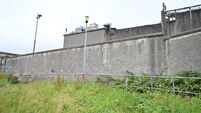
Why is the Government so reluctant to act on prison overcrowding?
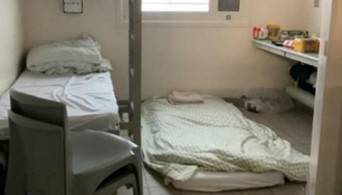
With prisons already overcrowded and most people required to share a cell, the IPS is rapidly running out of floor space to roll out mattresses to accommodate additional people in conditions that are already cramped, squalid and impinge on individuals’ right to dignity.
The recent Irish Prison Service (IPS) proposal to cut all sentences by 40 days to alleviate prison overcrowding is not a new idea.
In fact, the proposal was made almost three years ago to the previous minister for justice by the Prison Overcrowding Response Group. Established in July 2023, the group was tasked with addressing the immediate pressures on the prison system.
Justice sector officials from the Department of Justice, the IPS, the Probation Service, the Courts Service and An Garda Síochána examined the urgent situation and made a number of priority recommendations, setting out how quickly each could be implemented and whether legislation would be required.
The group’s final report to the minister in March 2024 recommended reducing “existing sentences of imprisonment by way of order by the minister for justice”, and gave three options for 20, 30 or 40 days.
The recommendation was considered constitutional and complied with relevant legislation, but the group explained “any such reduction would have to apply to all offence types serving determinate sentences” as excluding “categories of offences may be subject to challenge”.
Excluding certain types of sentences would also not deliver on the intention to reduce overcrowding. Of all the recommendations put forward, this would be the quickest and easiest to implement. The minister for justice could bring the proposal to Government colleagues and make the necessary order in less than a month, yet it has still not been implemented.
Read More
This raises questions about the Government’s reluctance to act. To put it into perspective, if the current IPS proposal of 40 days was applied to individuals serving longer sentences for more serious crimes, if they have not been rehabilitated in that timeframe, a further six weeks in custody is unlikely to make a meaningful difference.
For those sentenced to shorter sentences, overcrowding means they are unlikely to receive necessary support while in prison.
The media attention this proposal has received in recent weeks points to the state of our prisons and the pressure on the IPS to take urgent action to deal with an ongoing crisis. With prisons already overcrowded and most people required to share a cell, the IPS is rapidly running out of floor space to roll out mattresses to accommodate additional people in conditions that are already cramped, squalid and impinge on individuals’ right to dignity.
The IPS is required to accept anyone committed into its custody by the courts so it is limited in how it can manage an ever-increasing and unsustainable number of people sent to prison.
This modest ask to the minister to release people less than six weeks before their official release date highlights the level of pressure on the system. On its own, this small measure would not even reduce the population by 1% on any given day.
However, last year 2,617 people were sentenced to six months or less, so this small step could offer some small sense of relief on an ongoing basis.
The months-long legal aid dispute provided somewhat of a reprieve as the prison population did not reach 6,000 over the summer as anticipated.
However, there are currently 5,444 people in a system with a bed capacity of 4,802. While the temporary slowdown in the growth of the prison population may appear to offer some relief, now the dispute is resolved, the Irish Penal Reform Trust (IRPT) expects to see the prison population rise quickly, as happened when restrictions introduced during the covid-19 pandemic were lifted and the courts resumed business as usual.
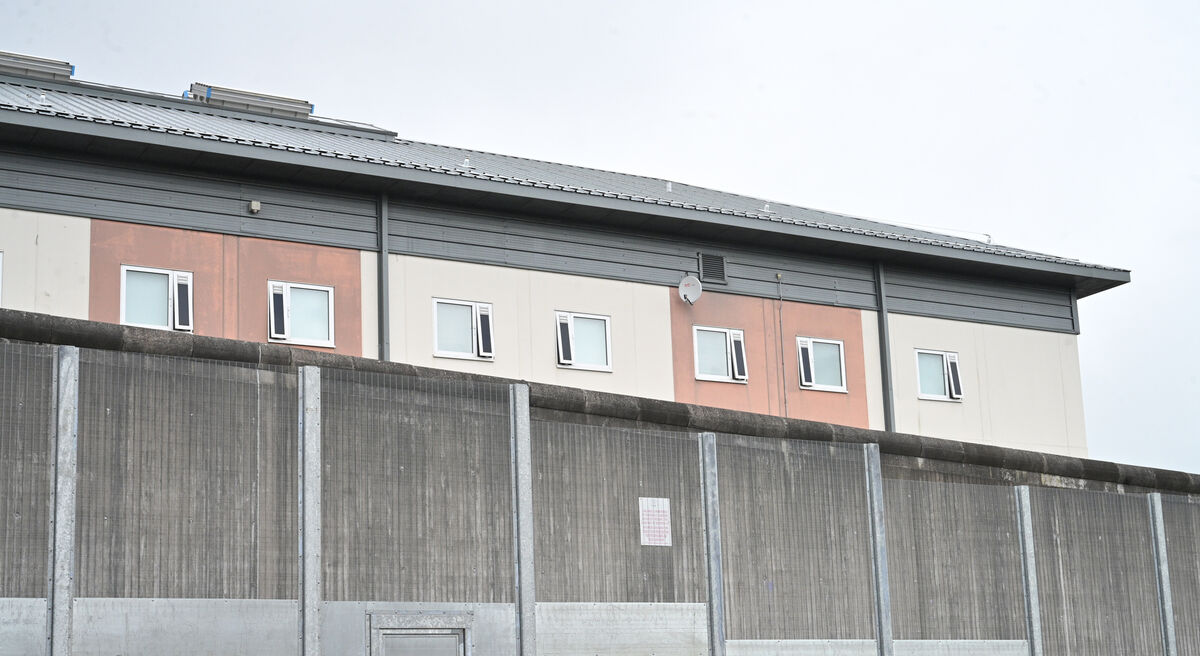
Notably, while the overall number of people in prison has reduced since July, pre-trial detention numbers remained consistent. More than 1,000 people (one in five) in custody on any given day are on remand, and in 2025, 74% of these were later released without receiving a custodial sentence, either because they were found not guilty, they did not receive a custodial sentence or, it was deemed the time already spent on remand was sufficient.
IPRT research on pre-trial detention raises serious concerns about the necessity, proportionality and human rights implications of current remand practices given the overuse of remand custody for people experiencing homelessness, mental illness, addiction and poverty for minor offences.
This means people who should have access to community-based healthcare facilities are instead imprisoned for minor public order offences. Reforming the current bail system and reducing this remand population would be a much more effective way to tackle overcrowding, with more immediate results.
Short sentences are another driver of the overcrowding crisis — last year, three quarters of committals to prison were for sentences of less than a year, and of the individuals imprisoned, 78% had been to prison before.
People are ultimately serving life sentences in instalments because the system is failing to address the root causes that caused them to offend in the first place. Judges repeatedly highlight the societal failures that lead people to come before the courts. They do not want to send someone to prison to get help with an addiction or for a mental health challenge, yet lack alternatives.
While there have been recent positive legislative changes requiring judges to consider community service for offences that carry sentences of up to two years, much more must be done to tackle this crisis in a meaningful way, and legislation first published in 2014 to expand community sanctions must be prioritised.
Ultimately, it is not in the gift of the IPS to significantly reduce the number of people in its care. This requires political action on evidence-informed solutions that have been repeatedly made by the minister’s own officials and by rights bodies including IPRT. While these proposed solutions may appear radical to some, the current system is not fit for purpose.
The Government has a professed commitment to prison expansion. However, this is a long-term and costly plan, not a realistic solution in either the short or longer-term.
Meanwhile, people who have committed minor offences — or no offences at all — continue to be stripped of basic rights in deteriorating and degrading environments. In a time of crisis with serious consequences, there is no longer any time to waste before taking decisive action.
- Saoirse Brady is executive director of the Irish Penal Reform Trust

BLACK FRIDAY
Already a subscriber? Sign in

CONNECT WITH US TODAY



Be the first to know the latest news and updates