Limited action on 2022 report on mental health, addiction, and prison
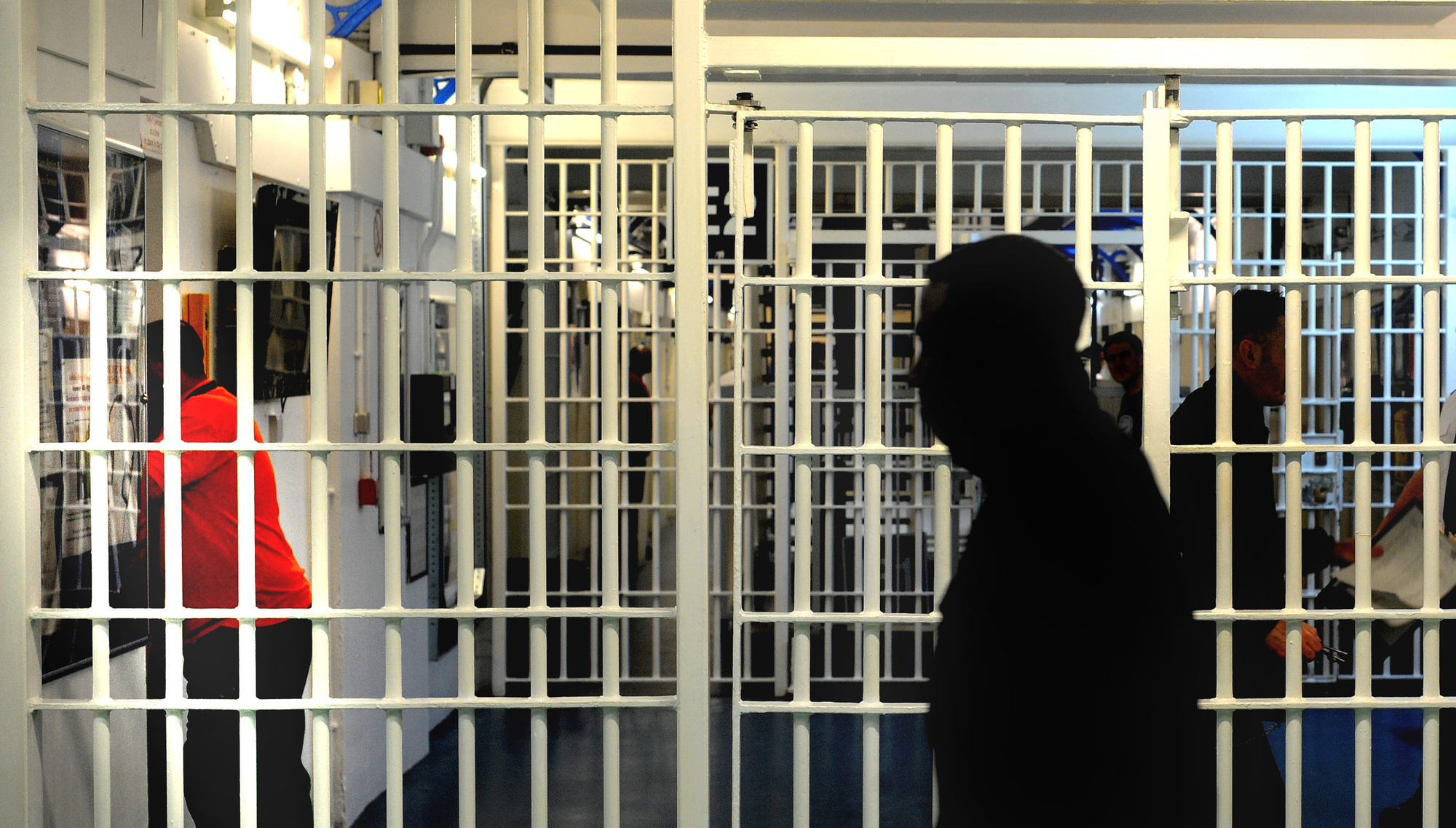
High Level Task Force on Mental Health and Addiction made recommendations almost four years ago on diversion from the criminal justice system, the prison service, and the Central Mental Hospital; and on community supports. Stock picture: Antony Devlin/PA
Implementation of key recommendations made by a Government task force on mental health, addiction, and prison in 2022 is still awaited, according to an official progress report.
While ministers and government departments highlight progress in certain areas, including crisis intervention, investment in counselling and legislation — little information is provided in the progress report on implementation of other recommendations.
The High Level Task Force on Mental Health and Addiction (HLTF) — which reported almost four years ago — made recommendations on diversion from the criminal justice system, the prison service, and the Central Mental Hospital; and on community supports.
The third annual progress report, covering September 2024 to September 2025, provides no update on one of the key diversion recommendations, which called on gardaí and the DPP to consider amending the Adult Caution Scheme to include offenders with a known record of mental illness or addiction issues.
Previous progress reports indicated reviews were being conducted and reports compiled but there is no update on developments in the third progress report.
The third report highlights the operation of the pilot community access support team (Cast) in Limerick.
An evaluation, published last month, of Cast — which combines gardaí, psychiatric nurses and social workers — documented the success of the initiative and recommended expansion nationally.
The progress report also said that HSE crisis resolution teams, which provide out-of-hours support, have been set up in Galway, Sligo/Leitrim, Cork City (two teams), South Dublin/Wicklow, and Waterford City.
In addition, Solace Cafes have opened in Cork City, South Dublin, and Sligo.
Separately, the report said site visits were conducted in emergency departments in the first quarter of 2025 and that eight lacked suitable rooms for conducting assessments on people with acute mental health presentations such as self-harm. A draft report is being considered.
Other major recommendations of the HLT report concerned the implementation of the planned increased capacity at the Central Mental Hospital and the establishment of regional in-patient psychiatric units.
The new CMH at Portrane, north Dublin — with a construction cost of €200m — was due to increase capacity from around 100 to 170 beds.
This included 130 beds for adult forensic mental health care, 30 beds for an intensive care rehabilitation unit and 10 beds for Forensic Child and Adolescent beds.
The HLTF said the intensive care rehabilitation unit was supposed to open in 2022, while the first implementation report said the adolescent beds would open on a phased basis “over 2024 and beyond”.
The third progress report said intensive care rehabilitation units “will be opened on a phased basis”. The Government press release, publishing the progress report, did not provide any update.
The State’s Mental Health Commission has highlighted persistent staff shortages at the Central Mental Hospital, affected by the HSE recruitment embargo, which ended in July 2024.
As far back as 2021, the Mental Health Commission highlighted the lack of regional intensive care rehabilitation units, which, it said, limited psychiatric diversion from court and custody in Ireland.
The progress report said evaluation of the intensive care rehabilitation unit in the Central Mental Hospital would “inform” the development of further units in other regions.
The commission has previously stated that even at 170 beds, Ireland would still have a third of the average number of beds per 100,000 people that pertains in modern European states.
In other areas, the progress report said adult dual diagnosis (substance abuse and mental illness) teams started in Limerick and Cork in 2024 and that recruitment was ongoing for a team in Waterford.
It said two adolescent teams have been developed in Dublin.
The HSE model of care envisages 12 adult and four adolescent dual diagnosis teams nationally.
The progress report also said that five early intervention in psychosis teams were operational and that Budget 2025 provided funding for four ADHD (attention deficit hyperactivity disorder) teams.
- Cormac O'Keeffe, Security Correspondent


CONNECT WITH US TODAY



Be the first to know the latest news and updates