New derelict property tax needs wider brief and local ringfencing
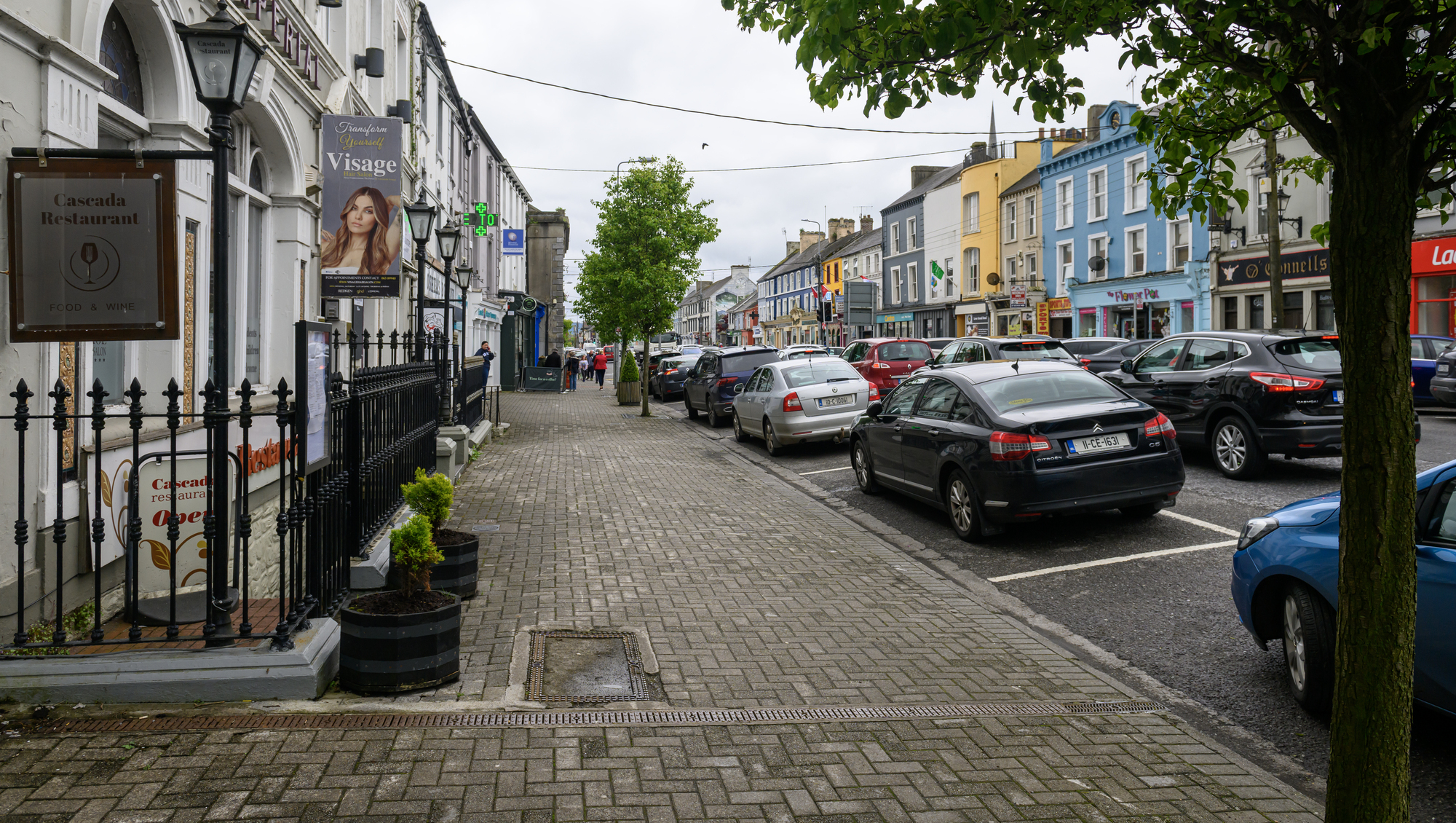
Charleville, with its 3970 residents, is too small for the new tax to apply — but dereliction hits small towns just as hard as big ones, argues Robert Burns. Picture: Dan Linehan
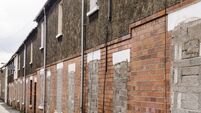
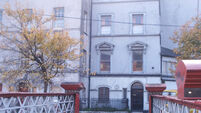
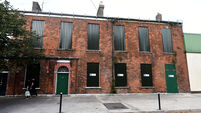
Dereliction is a blight, harming the social and economic wellbeing of our cities, towns and villages. Any measure that brings vacant and derelict buildings back into use deserves to be welcomed, and the Government's new derelict property tax, due to begin in 2027, is no exception.
However, as chief executive of Monaghan County Council, I have concerns about how it will be implemented.
What we know so far is this: the new tax would replace the derelict sites levy and be collected by Revenue. The rate would be no lower than the current levy, 7% of market value, charged annually, self-assessed and backed by Revenue's enforcement powers. It would apply to commercial premises as well as homes.
Collection by Revenue is a sensible change as councils — whose powers do not match those of Revenue — have long struggled to recover the levy.
The difficulty is where the tax would apply. As reported, year one would cover 107 cities and towns with populations of 4,000 or more. Year two would add 64 towns of 2,000 or more; 171 urban settlements in all.
Read More
Everywhere else would fall outside its scope, and there is no clarity on how smaller settlements or rural areas would be treated.
In Co Monaghan, only Monaghan town and Carrickmacross would be covered in year one, and only Castleblayney in year two. Clones and Ballybay would be excluded, along with villages such as Emyvale and Inniskeen.
The same pattern holds countrywide. Charleville in Cork, at 3,970 people, just misses the year one threshold, as would Gort in Galway (2,870) and Bunclody in Wexford (2,053). Clifden in Galway (1,259) and Millstreet in Cork (1,722) would not be covered at all.
We must also address what happens to the Derelict Sites Act 1990. That act broadly defines dereliction and grants councils' powers, including compulsory purchase. Placing a property on the Derelict Sites Register is usually a last resort, when owners are unwilling or unable to engage.
If the new tax uses a narrower definition, or runs in parallel with the act, we risk a confusing two-tier system that undermines local efforts.
In Monaghan, we have made significant strides in tackling dereliction. Over the last three years, with strong support from our elected councillors, we have developed a practical vacancy and dereliction policy, establishing a countywide town regeneration team of eight staff (four funded by central Government and four from the council's own resources).
The council has approved more than 420 applications under the Vacant Property Refurbishment Grant, worth €26.8m. I believe this success is closely linked to the team's focus on activating vacant and derelict properties across the county.
We have also stepped-up enforcement. There are 127 properties on our Derelict Sites Register, and in the last two years we have compulsorily purchased 28 derelict buildings and sites, the highest number by any local authority in the State.
Compulsory purchase lets us return these buildings to use as social housing, community space, or private homes and businesses. We have also implemented a commercial rates waiver scheme to incentivise businesses to bring vacant commercial buildings back into use.
This experience raises questions about how the proposed derelict property tax will be implemented.
Firstly, where will the money go? Councils will maintain the derelict property registers, identify qualifying sites and report them to Revenue. If the proceeds go to Revenue rather than back to the county where the property lies, it could undermine regeneration work in places like Monaghan that have invested heavily.
Secondly, how will councils be resourced? Registers, inspections, notices and appeals are a significant body of work, and it is unclear how it will be funded alongside our existing enforcement powers, or how regeneration teams will be sustained.
Thirdly, will the tax exist alongside the Derelict Sites Act or replace it, and how will "derelict" be defined?
I believe three critical actions need to be taken: Extend the tax to smaller towns, villages and rural areas, or at least set out a clear timetable for doing so.
Retain the powers of the Derelict Sites Act, including compulsory purchase, alongside the new tax.
And return the proceeds to the local authorities where it is ring-fenced for regeneration, so councils engaged in regeneration are backed rather than penalised.
A tax that works only in larger towns could push dereliction out to the places least able to bear it. Rural towns and villages in Ireland have waited long enough for tools that match the scale of the problem. The derelict property tax can have a transformative effect, but how it is implemented will be crucial to its success.
- Robert Burns is chief executive of Monaghan County Council

CONNECT WITH US TODAY



Be the first to know the latest news and updates