Historic Cork building still empty after council sold it to UCC a decade ago at a loss of €360k
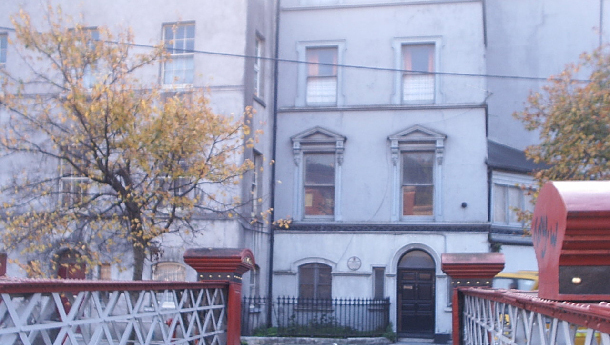
The historic Boole House on Grenville Place, once the lodgings of the famous mathematician, George Boole was removed from the Derelict Sites Register in 2017 following the completion of stabilisation works by the council. File picture
Cork City Council lost €360,000 when it saved a historic city centre building from dereliction then sold it to University College Cork (UCC) for less than it had spent on the restoration — a decade on, the building remains idle.
The historic Boole House on Grenville Place, once the lodgings of the famous mathematician, George Boole was removed from the Derelict Sites Register in 2017 following the completion of stabilisation works by the council.
UCC had outlined plans for the building, saying it would accommodate a range of teaching, research and innovation initiatives as well as a visitors’ centre to celebrate George Boole.
But the project has stalled since then, despite UCC previously saying that the university was actively exploring funding options for the project and “expects to proceed with detailed design and tendering of the remaining works in 2022”.
At Monday night’s council meeting, a breakdown of the costs incurred related to the building were provided to Social Democrats councillor Niamh O’Connor by Niall Ó Donnabháin, the council’s director of planning and integrated development.
The figures show that the council paid €13,000 to acquire the then-derelict building a decade ago, and €58,883.35 on professional fees such as architects, engineers and quantity surveyors.
In total, construction costs came to €868,687. Works included site clearance, fencing, vermin proofing, hoarding and signage and timber decay investigations.
The property was subsequently disposed of, by way of a deed of transfer, to UCC in May 2017 for the sum of €600,000 so that they could complete works and occupy the building, a decision Ó Donnabháin said was made “considering the historical and cultural significance in the context of the association of George Boole with the institution”.
As the spend came to €961,664.52, the cost to the council after the sale was €361,664.52, and Ms O’Connor has said the saga demonstrates the need for stronger safeguards to ensure publicly funded regeneration projects are brought to completion.
“The figures show that the city made a substantial investment in this property and, unfortunately, at the moment there is very little to show for that investment.
“I acknowledge that the building is now in much better condition than it was in 2009 and 2010 when it partially collapsed, but it remains vacant and unfinished.”
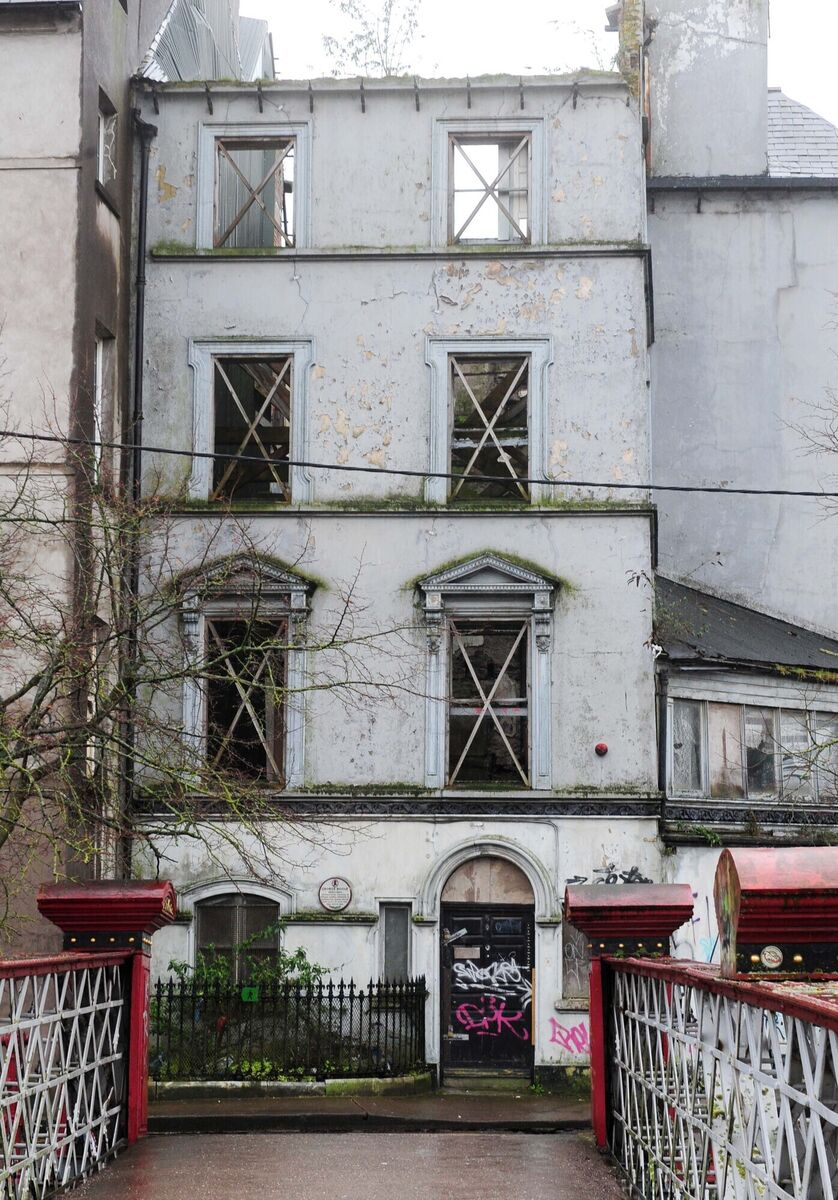
She said she fully supports the council investing significant sums to take properties out of dereliction, “however, if we are making those investments, we need to see projects through so that something tangible is ultimately delivered for the people of Cork — whether that is housing, community facilities or a cultural amenity.
“In this instance, UCC has had planning permission for a number of years but the works have not been completed.
“If the council is depending on outside bodies to deliver projects after transfer, then there should be contractual provisions requiring those works to be completed within an agreed timeframe.”
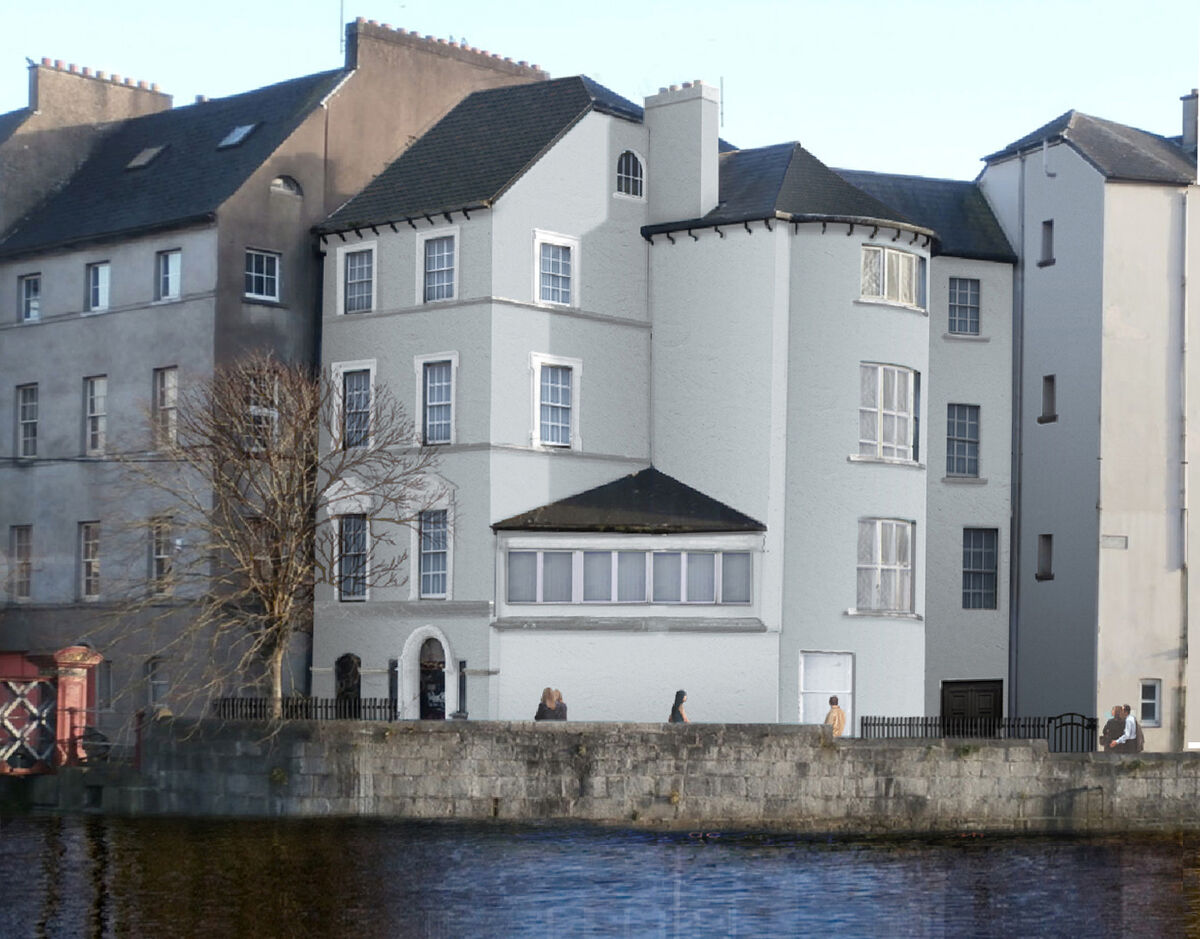
She added that Boole House was a hugely important cultural building, which could attract visitors to the city and increase footfall in the area if properly restored and brought into use.
“Instead, 10 years after the transfer, the building continues to lie idle. We have done the difficult part by saving the structure from collapse, but the job is only half finished if the building remains empty.”
A spokesperson for UCC said: “All options for George Boole House are being considered, from development to disposal. No decision has been made at this point.”

CONNECT WITH US TODAY



Be the first to know the latest news and updates