Zuckerberg's Waterford neighbours should keep Hawaii in mind
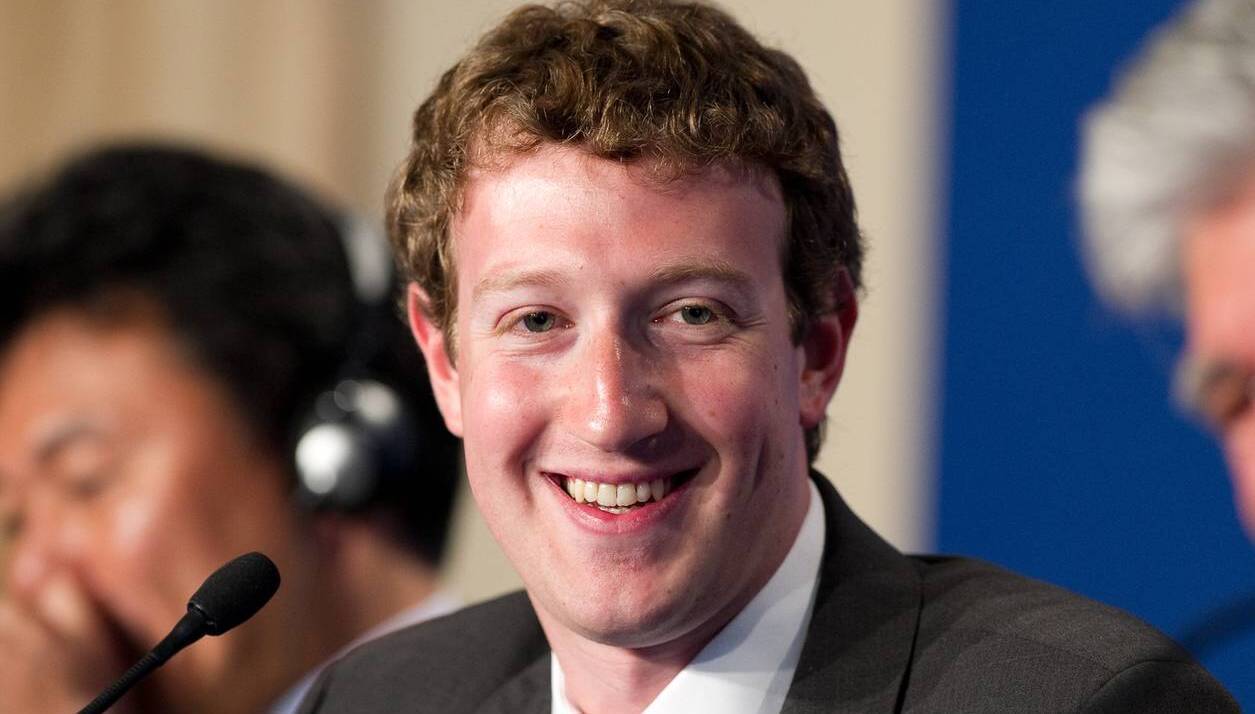
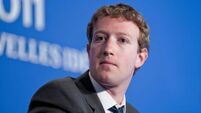
Meta CEO Mark Zuckerberg.
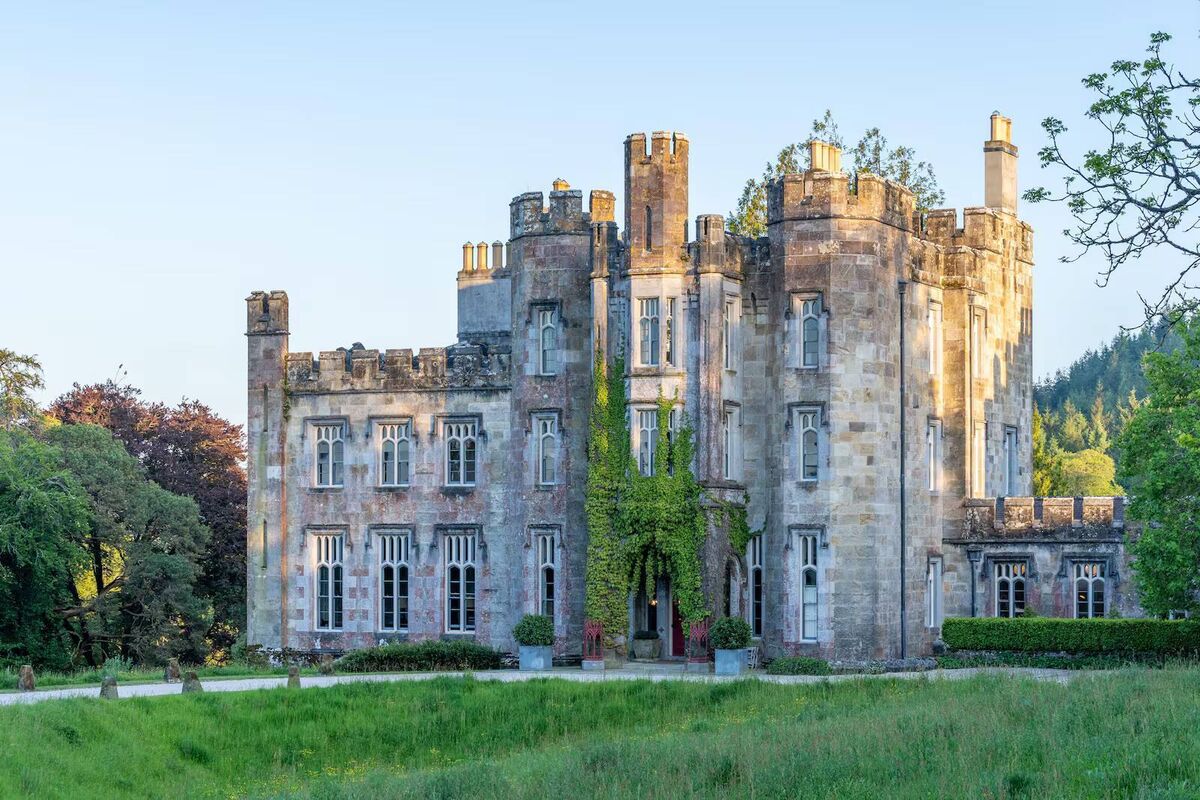
Christmas came early for Waterford GAA last week, as three clubs — Shamrocks, Tallow, and Lismore — were promised €50,000 each over the next two years. As has been widely reported by now, the county’s newest residents, Mark Zuckerberg and Priscilla Chan, had paid in excess of €51m for the 440-acre Strancally estate.
How much time the couple will actually spend here is unknown, but there’s nothing wrong with sweetening the locals: All three clubs are in Strancally’s orbit, and they all seem very grateful.
No matter that €150,000 represents an infinitesimal drop in the vast ocean of Mr Zuckerberg’s estimated $258bn fortune, nor that the price he paid for Strancally is a fraction of the value of his largest superyacht. A gesture is a gesture, and in terms of Mark’s Irish adventure, it’s a case of so far, so good.
He must be bracing himself, however, for the release of , Aaron Sorkin’s sequel to , which is based on the experiences of Facebook whistleblower Frances Haugen, and so unlikely to be complementary. portrayed him as an unfeeling narcissist, but this one could be worse. It’s out in cinemas here Friday, October 9.
In 2021, Ms Haugen (who’s played in the film by Mikey Madison) resigned her post at Facebook and took with her thousands of company documents she then exposed in collaboration with a reporter.
She had been part of the company’s civic integrity team, but became increasingly disillusioned during the 2020 US presidential election campaign, as misinformation and conspiracy theories were allowed to flow through the system unchallenged.
Haugen would later allege that Facebook knew its products were damaging teenage health, fomented ethnic violence in Ethiopia and Myanmar, and failed to censor covid and Q-Anon conspiracy theories that she believes helped inspire the Capitol Hill riots of 2021.
“Time and again,” she said, “there were conflicts of interest between what was good for the public and what was good for Facebook. And Facebook, over and over again, chose to optimise for its own interests, like making more money.” And she was in no doubt as to who was primarily responsible.
Read More
Mark Zuckerberg, she believes, “has all the control. He has no oversight and he has not demonstrated that he is willing to govern the company at the level that is necessary for public safety.” In the wake of the “Facebook papers” scandal, the company changed its name to Meta.
Frances Haugen is not the only Facebook whistleblower. In 2025, former employee Sarah Wynn-Williams released , a scathing memoir. She had few kind words for Facebook’s former CEO Cheryl Sandberg, who was sanctioned by a judge in 2025 for deleting emails relating to the Cambridge Analytica data scandal. And she gave revealing insights into what she described as Zuckerberg’s desperate need to be liked.l
After a nervous meeting with Russian prime minister Dmitry Medvedev in 2012, Zuckerberg began to enjoy proximity to power. He tried (and failed) to be sat next to Fidel Castro at a dinner, and in 2015 asked Xi Jinping if he’ll “do him the honour of naming his unborn child”. Politely, Xi declined. He was friendly with Barack Obama until the president read him the riot act about fake news.
In 2016, Facebook embedded itself in Donald Trump’s campaign, and helped create targeted voter messaging that helped him win. They offered the same service to Hillary Clinton, but her campaign declined. Then, in 2017, Zuckerberg briefly considered a presidential run himself, and toured a few swing states.
Sarah Wynn-Williams says his speeches were “like what a kid thinks a president sounds like”. She even quotes one of them: “The occasion is piled high with difficulty, and we must rise with the occasion. As our case is new, so we must think anew, act anew.” On this evidence, the ghost of Abe Lincoln can remain stilled.
Mark Zuckerberg has never been one to hog the limelight, like Elon Musk or Jeff Bezos. But he did bend the knee to Trump in 2020, and his political evolution has been, shall we say, interesting.
Zuckerberg rose to prominence thanks to the social media network he helped create while at Harvard. His skills in this regard ought not be contested — he’d been making mini-networks for his family since he was 11.
As Facebook became more powerful, it was generally assumed that he tended liberal. He had an interest in education, and immigration reform, and paid for a company float at San Francisco’s Pride parades.
“Muslims are always welcome on Facebook,” he said, in the aftermath of the 2015 Paris attacks. And when someone crossed out a Black Lives Matter message in one of Facebook’s offices and replaced it with “All Lives Matter”, Zuckerberg was not at all pleased, and called the action “malicious”.
But somewhere during the first Trump administration, the tide changed.
As Frances Haugen’s whistleblowing would reveal, outrageous Q-Anon conspiracy theories flowed untrammeled through Facebook (and other social media sites, it should be said) in the year leading up to the 2020 Presidential election, after which claims of rigging went uncensored.
Donald Trump’s account was “whitewashed”, allowing him to post what he wanted. And after the election, as pressure from the White House for compliance grew, content policy enforcement measures at Facebook were rescinded.
Desperate to improve his relationship with Trump, Zuckerberg was front and centre at the 2025 inauguration.
Is he then a cypher, a conduit, a man with no opinions of his own, and the human embodiment therefore of his mighty socials?
Will he be ready always to pivot, and bend with the wind, as political and economic pressures demand? It seems likely, and for the moment at any rate, Mark is going nowhere.
In 2016, during a summit of world leaders in Paris, Sarah Wynn-Willians noticed that while many faces were familiar, a number of high profile national premiers were gone, victims of democracy’s relentless grind.
“I’m struck,” she writes, “by the impermanence of importance. Yet Mark could conceivably continue to hold his place chairing world leaders for another 50 years.
“He’ll see these leaders off and the generation of leaders that follow them. Like the Queen.”
Mark’s new neighbours in Waterford should also take note that in 2014, he bought 700 acres of land on the Hawaiian island of Kaua’i. He then filed a series of “quiet title and partition” lawsuits against hundreds of native islanders who had claims on land within his estate.
The Zuckerberg Ko’olau Ranch has since mushroomed into a massive 2,000+ acre site that includes a working cattle farm and a public beach.
For Mr Meta, too much is not enough.


CONNECT WITH US TODAY



Be the first to know the latest news and updates