Rural Ireland Thinks: Majority think Government has neglected rural pubs and way of life
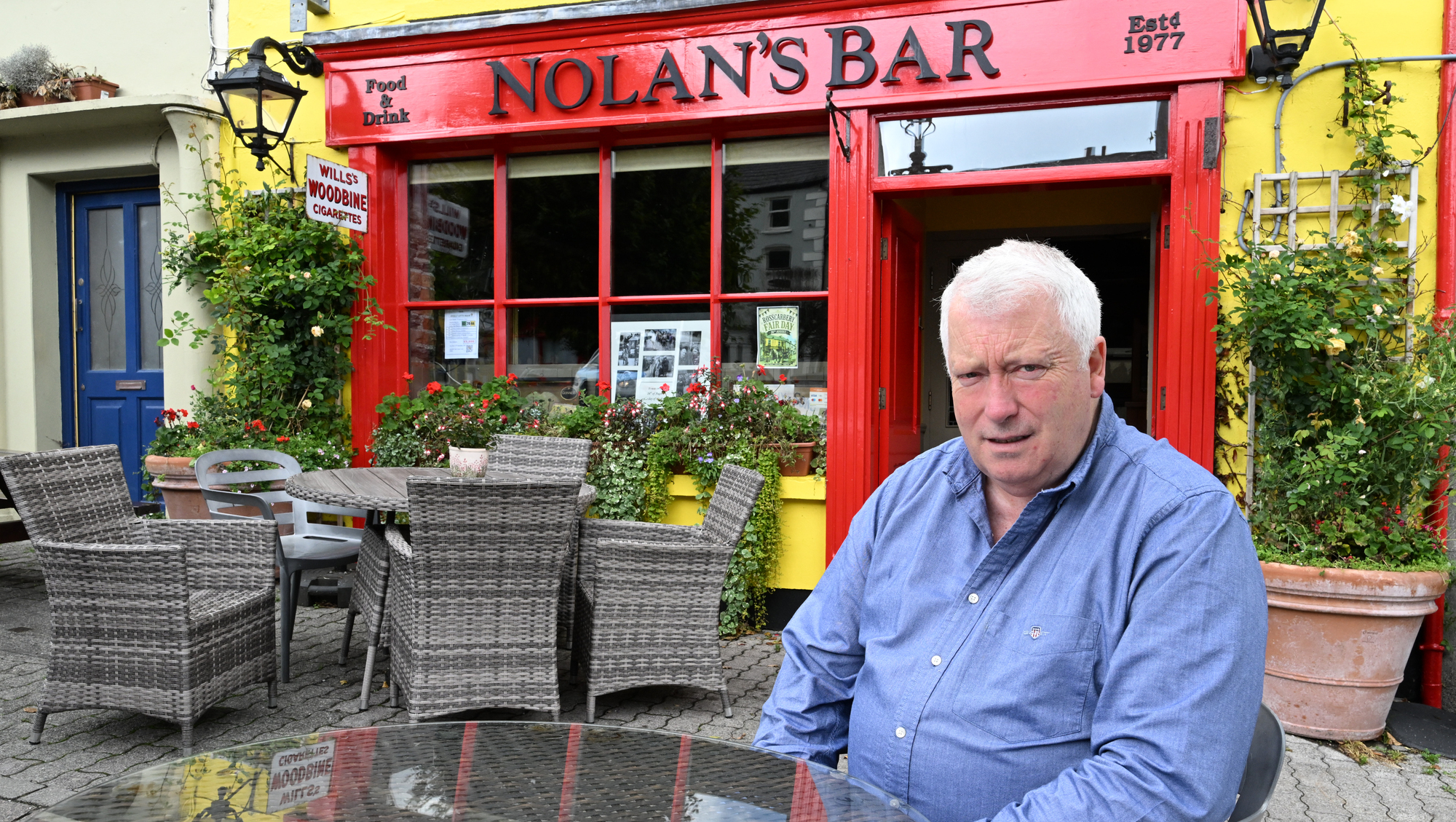
Denis Nolan of Nolan's Bar in Rosscarbery, Co Cork. Mr Nolan, 67, is at retirement age but still continues to work the long hours associated with the job. Picture: Larry Cummins
The overwhelming majority of people in rural Ireland believe the Government is failing to support rural pubs, according to a new opinion poll.
The Rural Ireland Thinks poll, commissioned by the , shows that 72% of rural Ireland residents disagree that the Government is providing adequate support to rural publicans. Only 14% of respondents think the Government is adequately supporting the sector.
Approval ratings for the Government's action in this area are lowest in the 18-24 (8%) and 35-49 (12%) cohorts.
A potential cut on alcohol excise has been touted ahead of October’s budget. Excise accounts for about 55c of the cost of a pint in an Irish pub, compared with around 5c in Spain and Germany.
Speaking to the , some rural publicans said the damage to the sector is almost irreversible.
“I think for years (Government) crippled the publican…now they probably see that the goose that laid the golden egg is no longer functioning,” said Denis Nolan, owner of Nolan’s bar in Roscarberry.
Read More
Mr Nolan’s parents set up their bar in the small estuary village in 1977. At the time, there were nine pubs in the village of around 640 people. Now there are three, with one currently up for sale.
“There was pubs there that if you said 20 to 30 years ago, that they would be closed, you wouldn't believe it,” Mr Nolan said.
According to a new report carried out by the Drinks Industry Group of Ireland, one in four pubs have closed their doors in the past 20 years. In Cork, around 300 pubs (33% closure rate) have shuttered their business since 2005.
Mr Nolan, 67, is at retirement age but still continues to work the long hours associated with the job.
He cites a myriad of reasons for the industry’s decline, from clampdowns on drink-driving and indoor smoking, towards broader health trends and cost-of-living pressures that put the future of the rural pub at risk.
“It’s a shame, because there's a lot more to a bar….It was the stories that were spun there, the different things that happened there,” he said.
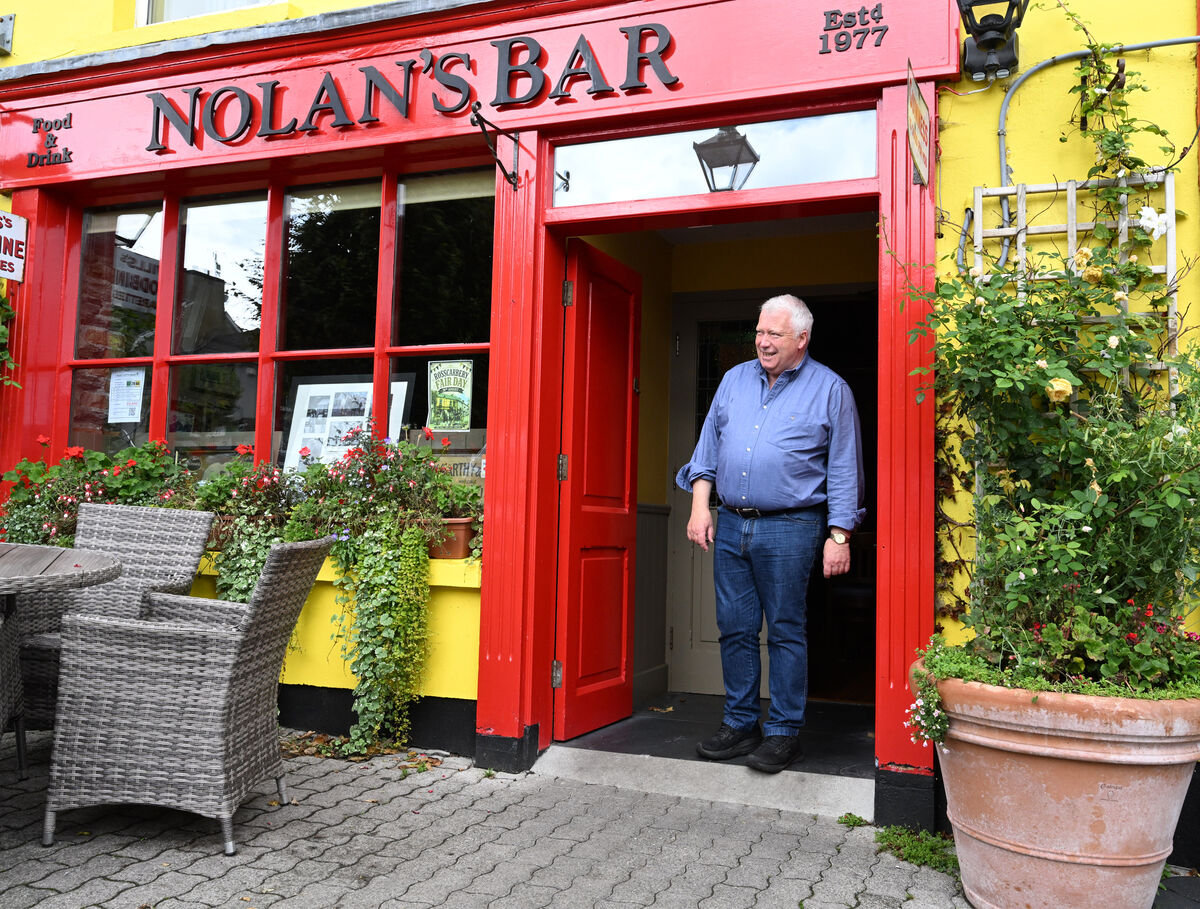
“It was a big meeting place with people, after funerals, anything at all… the Irish pub was always known for that.”
President of the Vintner’s Federation, Michael O’Donovan, said Ireland should look to EU compatriots like France, which offers grants of up to €80,000 to keep pubs, shops and cafés in the countryside.
“The government really has to understand that the pub plays a vital part in rural Ireland,” he said. “In lots of rural communities, it's where people get their first job.
"It's where a lot of part-time employment is generated, and they're the social fabric of the community. So, if people want to see our culture and see our way of life disappearing, then yes, don't support them.
“But for the vast majority of people, they are very important for rural Ireland.”
Cork Fine Gael senator Noel O’Donovan has continually called on Government to establish a dedicated support scheme for rural pubs.
“They are our centres of excellence within our community for births, deaths, marriages, victories, you name it,” he said.
“It's not about supporting increased alcohol consumption. It's about keeping our communities alive, and if we don't do something now, they are going to be gone.”
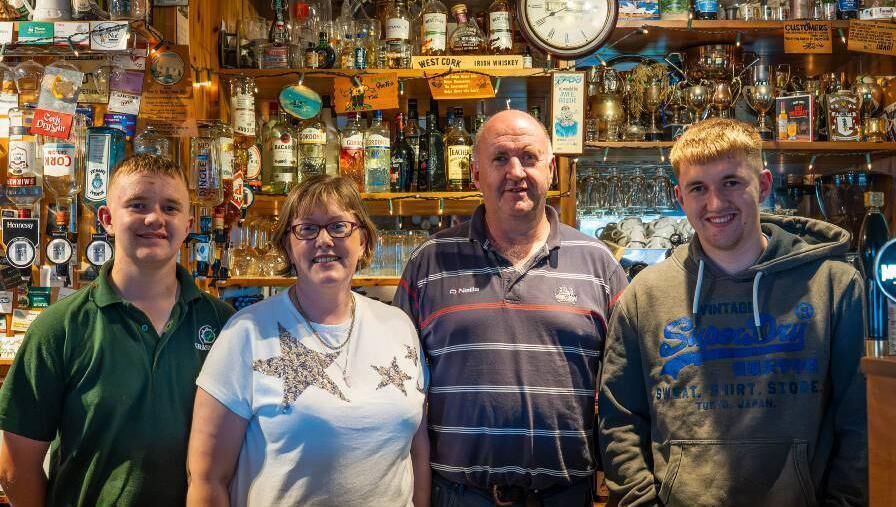
Dennis O’Donovan, the owner of Fisher’s Cross in Castlefreke, stands at the helm of a family business that’s been passed through seven generations and has stood for over 200 years.
Located 10 kilometres south of Clonakilty at an otherwise isolated country crossroads, he has strayed away from the mould of a traditional 'wet pub'. A pizza van now sits outside his premises.
The move has helped to prevent the haemorrhaging of further footfall, but he said issues in rural pubs still remain, including generational renewal.
“The biggest issue is a bit like most jobs. Nobody wants to do it anymore,” he said. “The whole thing has changed, and that’s everywhere; it doesn’t matter who you’re talking to.”
- The Rural Ireland Thinks survey was funded by the News Reporting Scheme.
Read More
CONNECT WITH US TODAY



Be the first to know the latest news and updates