'Generational backslide' in attitudes towards women and sexual violence
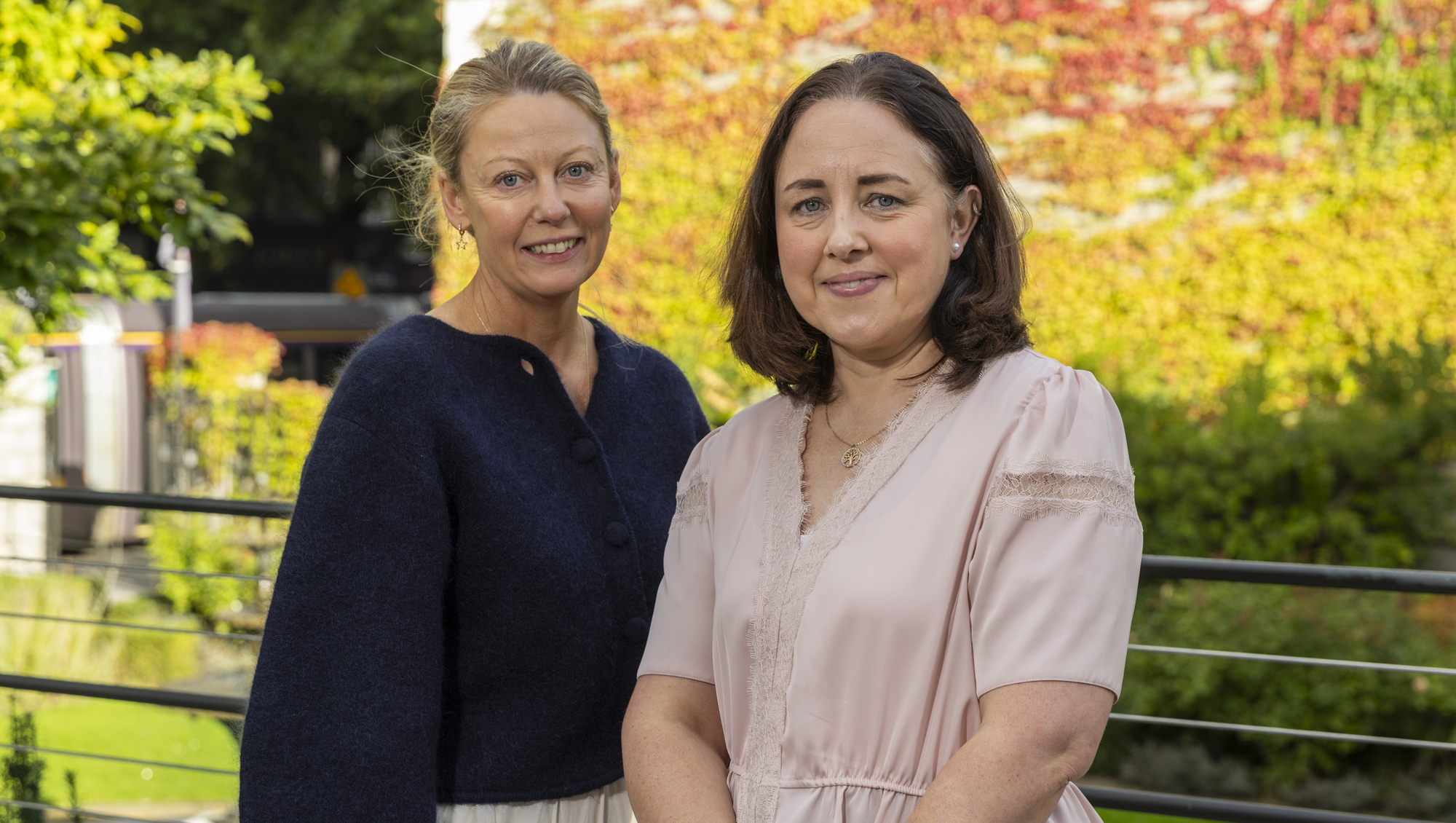
Rachel Morrogh, CEO of DRCC, with sexual abuse survivor Deirdre Boyhan. Picture: Keith Arkins Media
The so-called 'manosphere' has bled into Irish society, and action must be taken to engage with younger men on issues around sexual violence, researchers and advocates have said.
There has been a “generational backslide” of attitudes towards women and sexual violence internationally, and the results of a survey published this week indicate this is affecting attitudes in Ireland.
A survey examining public attitudes towards rape and sexual violence in Ireland, carried out by Ipsos B&A on behalf of the Dublin Rape Crisis Centre (DRCC), was published on Wednesday.
Among the findings were that almost one in five adults (19%) believe there are ‘a lot’ of false rape allegations made in Ireland, which rises significantly to 48% among men aged 18-24.
A further 34% of this cohort of young men said a person should not be believed without a guilty verdict, and 37% assign partial responsibility to a victim who was under the influence of alcohol or drugs.
Larry Ryan of Ipsos said: “We're particularly concerned about young male attitudes to rape and sexual violence, and the sense that the victim may be — to some extent — responsible.
“Those viewpoints are much more common among younger men than indeed older men, or among younger men than older women, and it does point towards the need for an educational programme targeted at younger men.”
Read More
He said there was a concern that younger men are “subject to such malign influences online”, in particular on social media.
Deirdre Boyhan, a survivor of sexual abuse, said she was not surprised to see victim blaming in the findings, and said that it was hard to read that one in five people in Ireland believe there are a lot of false rape allegations.
“I can tell you now, no right-minded person would go through the process with a false allegation,” she said. “Fear is a word featured so many times in this research — it’s the fear of disbelief and judgement, the fear of stigma.”
She said the research highlighted that raising awareness “is everybody's responsibility”.
DRCC chief executive Rachel Morrogh said she was concerned that there was a focus on the manosphere online, but “to ignore how it has bled into everyday life, everyday misogyny, everyday sexism, that women and girls experience, is to ignore the magnitude of the problem this country faces”.
“We hear all the time from survivors that they come across these attitudes in their personal lives and online; there are efforts to make victims’ voices smaller - the only people that benefit are perpetrators who live their life free from accountability.”
She said there was a need to understand how attitudes can be changed and to ensure Ireland is a better place for victims and survivors of sexual violence.
Professor Debbie Ging cited an Ipsos survey which indicates that a third of Gen Z boys believe that women should obey their husbands.
“For the first time in this research, we're seeing a really huge backslide where younger boys have more aggressive attitudes politically towards gender issues than their grandfathers.
“This is a huge backslide in terms of attitudes, and it's the first time we're seeing this generational backslide.”


CONNECT WITH US TODAY



Be the first to know the latest news and updates