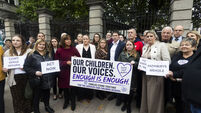
Over a third of young men say a rape should not be believed without a conviction

The national survey of more than 1,000 adults found that almost one in five (19%) believe there are ‘a lot’ of false rape allegations made in this country. File picture
More than a third of young men say a rape should not be believed without a conviction, a national survey tracking attitudes to sexual violence in Ireland has found.
Dublin Rape Crisis Centre (DRCC) has published its second annual national study of attitudes towards, and experiences of, rape and sexual violence.
The national survey of more than 1,000 adults found that almost one in five (19%) believe there are ‘a lot’ of false rape allegations made in this country.
However, this figure was substantially higher amongst young men under the age of 25.
Almost half (48%) of this age group believe there are ‘a lot’ of false rape allegations, while 34% believe a rape should not be believed without a guilty conviction in court.
A further 31% of men under-25 told the survey a rape should not be believed unless it has been reported to the gardaí.
Read More
A further 40% believe rape and sexual violence are exaggerated by the media, compared to 15% overall, and 14% say they would doubt someone who told them they had been raped while drunk.
Overall, 15% of adults believe a person who is raped while under the influence of alcohol or drugs is at least partially responsible. Among men under 25 this figure rises to 37%, and among women under 25 to 25%. By contrast, 88% of adults agree that a perpetrator who is under the influence should be held just as responsible as one who is not.
The DRCC said several other perceptions have moved since last year's survey in ways that concern it.
This includes the proportion who believe perpetrators are more likely to be someone the victim knows, which has fallen from 70% to 64%. The proportion who think most incidents happen in the home has also fallen from 58% to 52%.
Among under-25s, only 25% think sexual violence most often takes place at home, while more than a quarter (27%) point instead to bars and clubs.
Meanwhile, sexual violence remains widespread, the survey also found.
- Almost one in three adults (31%) say they have experienced some form of sexual violence, up from 28% in 2025;
- 5% say they have experienced rape;
- Among those who experienced rape, only 17% reported it to gardaí;
- 22% sought medical treatment;
- 28% sought counselling or other support;
- Two in five (41%) told only a friend or family member, and almost one in five (19%) told no one at all
"It is extremely common for survivors to tell DRCC that they stayed silent because they were afraid that they would not be believed, that they felt it was their fault or that they were ashamed of what happened to them," said Rachel Morrogh, chief executive.
Some of the pervasive negative attitudes that survivors experience are held by sizeable numbers of the population, she added.
"These widely held attitudes discourage people from coming forward, they add to the harm survivors carry, and they are part of the reason perpetrators are so rarely held to account.
"The findings on young men are the most striking in the research and underscore the need for engagement and leadership given that lasting attitudes are shaped early."

CONNECT WITH US TODAY



Be the first to know the latest news and updates