Parenting must be political in the shadow of climate change and the planet our children will inherit
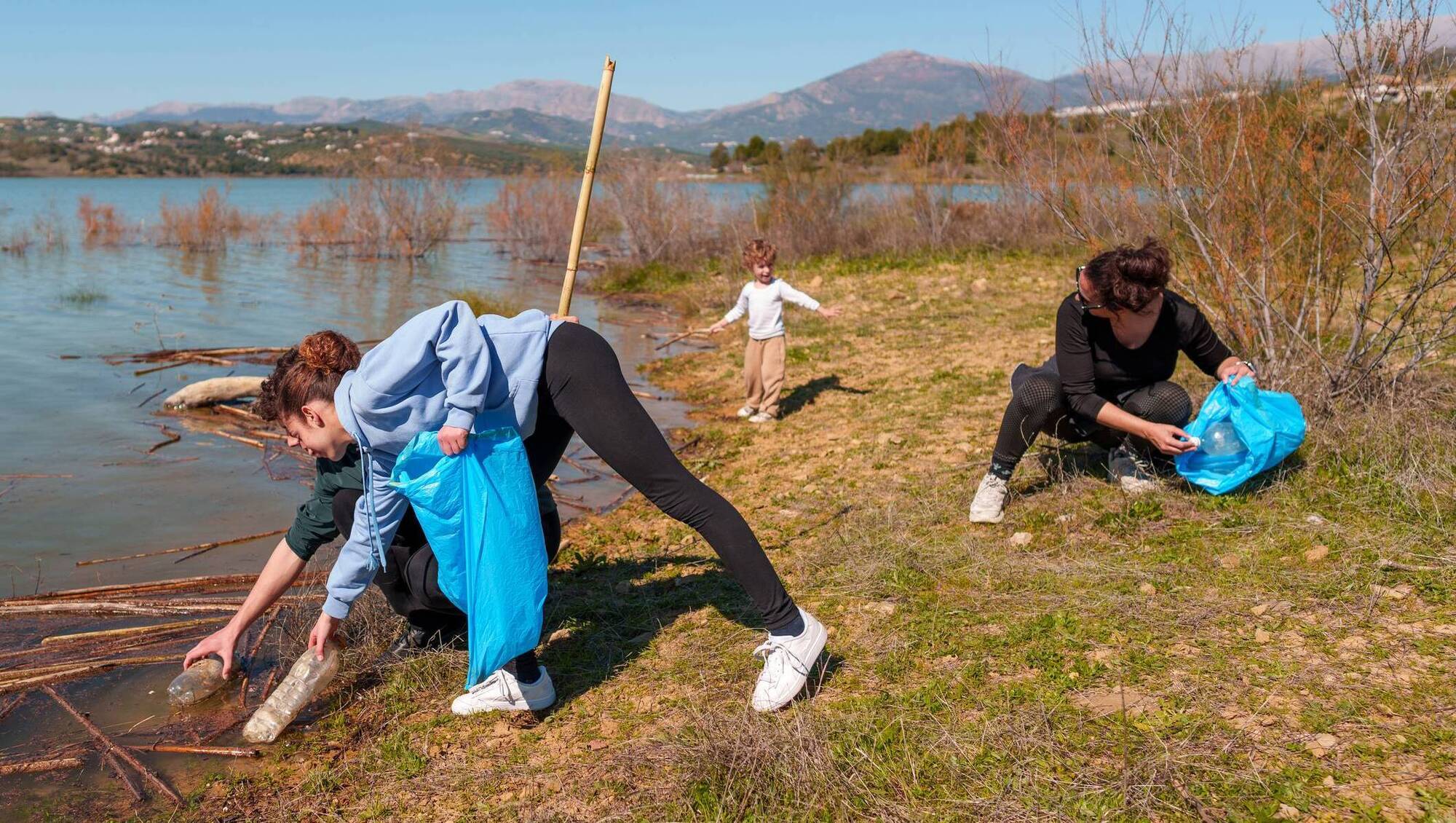
Too often, people are presented with the absurdity of small individual behavioural changes as an adequate response to a crisis they are simultaneously told is structural, economic and global in scale.
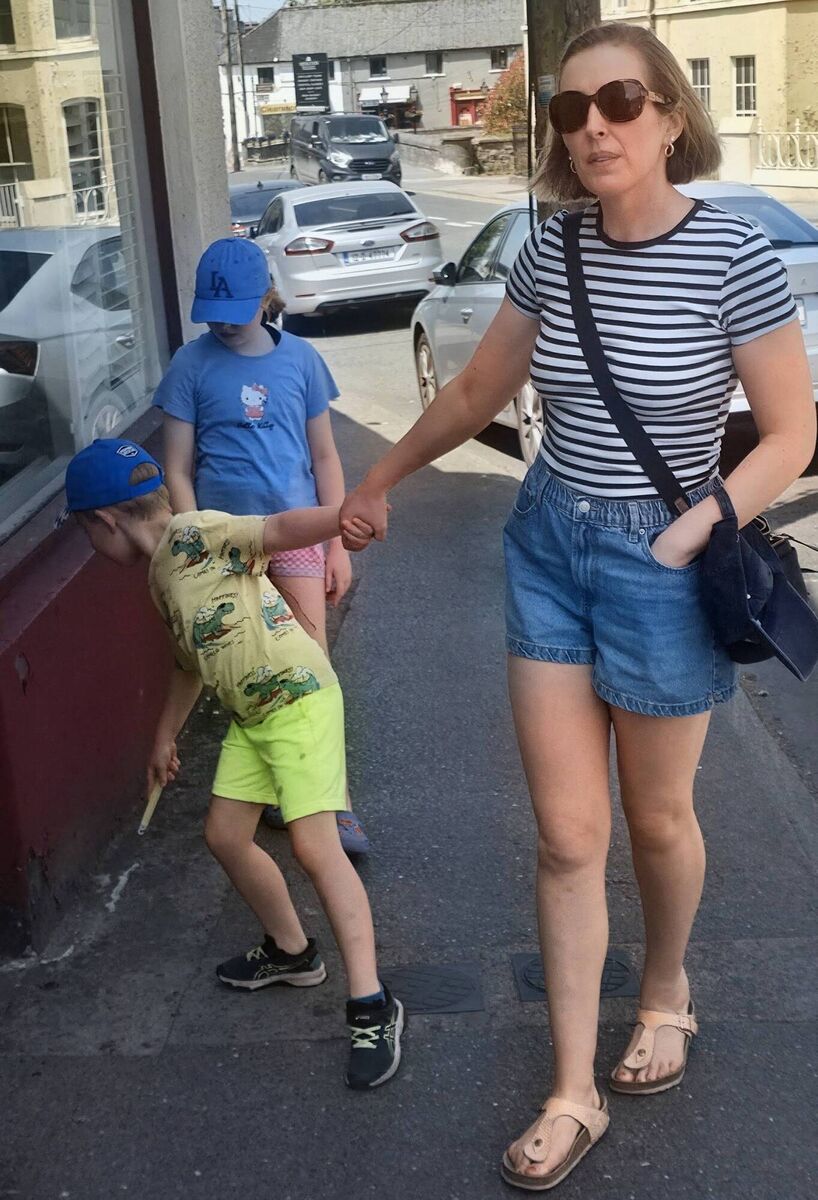
In 2016, I became a mother for the first time. Many first-time mothers experience a profound shift in perspective and concern for the health and wellbeing of their new baby, which can become an intense focus on their child’s health, safety and nutrition.
My “new mother” anxiety became fixated on climate change and the degradation of the planet she would inherit. I spent the first few years of her life becoming increasingly preoccupied with the subject, endeavouring to change every aspect of my lifestyle to limit the impact I believed I was having on her future and on the planet.
Those years were a desperately anxious time for me, but in the process I became increasingly knowledgeable about the subject. I soon realised whatever individual changes I made would have virtually no impact on a planetary phenomenon of this scale.
Through deep dives into the science, I came to understand climate change was itself a symptom of the way we have organised our societies and economies. What was required was change at a societal, economic and global level.
As a result, I turned my focus towards politics, because I saw political action as one of the principal means through which change could happen at national and international level.
My growing awareness coincided with the emergence of Greta Thunberg and Extinction Rebellion, and the rise of Green parties across Europe in the latter part of the 2010s. There seemed to be a rapidly growing public awareness of the climate crisis, reflected in the 'Green Wave' in Irish politics at the time.
Read More
When I look back now, what strikes me most is the timeframe I imagined. I had understood the climate crisis’s most devastating consequences would emerge in the latter part of this century.
Increasingly, however, the consequences of climate change are becoming present in our lives far sooner than I imagined.
This summer, persistent heat and exceptional water deficits have badly affected agriculture and food production across western and central Europe. Climate change is no longer an abstract threat to food production in some distant future. It is increasingly part of the conditions in which our food is produced today.
Poor harvests contribute to higher prices and intensify an already severe cost-of-living crisis. In the years ahead, increasingly extreme and unpredictable weather has the potential not only to increase the cost of food, but to undermine the stability and resilience of food production itself. These risks are well documented by the Intergovernmental Panel on Climate Change.
And food is only one part of the picture.
Elsewhere, including in Ireland, climate change appears to have slipped down the political agenda.
At the same time, far-right ideas have gained ground, with political energy increasingly directed towards scapegoating vulnerable groups rather than confronting difficult structural realities. Those who protest or call for stronger climate action are increasingly dismissed, ridiculed or shamed.
This is happening alongside a wider degradation of international human rights law and an undermining of the institutions through which countries are supposed to cooperate. The failure of the international community to act coherently and morally in the face of crises such as the ongoing destruction and killing in Palestine and the failure to impose meaningful sanctions on Israel raises profound questions about our collective capacity to respond to crises that demand international cooperation and political fortitude.

Since the covid pandemic, we have also seen increasing distrust of science and educational institutions seep into public discourse, and a growing willingness to dismiss what scientists tell us despite decades of accumulated evidence and research.
As I write this, the World Meteorological Organization has issued a new warning about the El Niño phenomenon developing in the Pacific. Occurring against the backdrop of a warming planet, its effects can influence global temperatures and profoundly alter rainfall patterns, increasing the risks of drought, flooding and extreme heat in different parts of the world.
Keep cups, cycle lanes and recycling plastic bottles are all worthwhile in themselves. But they are profoundly inadequate in the face of the scale of what is bearing down on us over the coming decades.
Too often, people are presented with the absurdity of small individual behavioural changes as an adequate response to a crisis they are simultaneously told is structural, economic and global in scale.
Ultimately, one of the most effective things any of us can do is engage in our communities and political system, and push relentlessly for change at national and international level.
As we strive for meaningful change, we should be attuned to our concerns being mocked, dismissed or shamed. Shame is one of the most powerful and corrosive emotions for a socially attuned species. It can be an extraordinarily effective and manipulative weapon.
We should recognise when shame is being used to make us retreat from legitimate concern about our children, our communities and our futures.
There is nothing shameful about demanding that governments act quickly and effectively in response to climate change. There is nothing irrational about being frightened by what the science is telling us. And there is nothing extreme about demanding that the scale of the political response reflect the scale of the threat.
- Róisín Cuddihy is a senior psychologist working with the HSE and a member of the Social Democrats. She is writing in a personal capacity.

CLIMATE & SUSTAINABILITY HUB
CONNECT WITH US TODAY



Be the first to know the latest news and updates