Who is responsible for Nepal’s tragedy?

The devastating floods in Nepal demonstrate what happens when reckless development puts climate-vulnerable communities in harm’s way, writes Nischal Dhungel
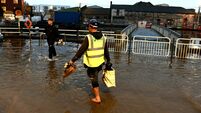
A man looks at the remains in the aftermath of flash floods at Trishuli in Nepal’s Nuwakot district. 	Picture: Getty Images

A man looks at the remains in the aftermath of flash floods at Trishuli in Nepal’s Nuwakot district. Picture: Getty Images

In the wake of Nepal’s devastating floods, which killed at least 1,300 people, Nepalese officials and others were quick to cite climate change as the primary cause. They were not wrong. The Hindu Kush Himalayas are warming roughly three times faster than the global average, even though Nepal produces only 0.1% of global greenhouse-gas emissions. But climate change alone does not explain why so many people and so much vital infrastructure were directly exposed to a known hazard.

The catastrophic damage was as much the result of a failure to price location and risk as it was an effect of climate disaster. Climate risks were privatised when infrastructure projects were approved and socialized when things went wrong. While businesses and political insiders benefited from hydropower concessions, road contracts, and floodplain development, households and workers bore the consequences when those assets were swept away.

You have reached your article limit. Already a subscriber? Sign in

Save €40 on an Annual Subscription.​

Continue reading within unlimited digital access and exclusive subscriber benefits.

Cancel anytime

CLIMATE & SUSTAINABILITY HUB

More in this section

Revoiced

Newsletter

Had a busy week? Sign up for some of the best reads from the week gone by. Selected just for you.

Cookie Policy Privacy Policy Brand Safety FAQ Help Contact Us Terms and Conditions

© Examiner Echo Group Limited