Legalising drugs is the only way to stop the killing

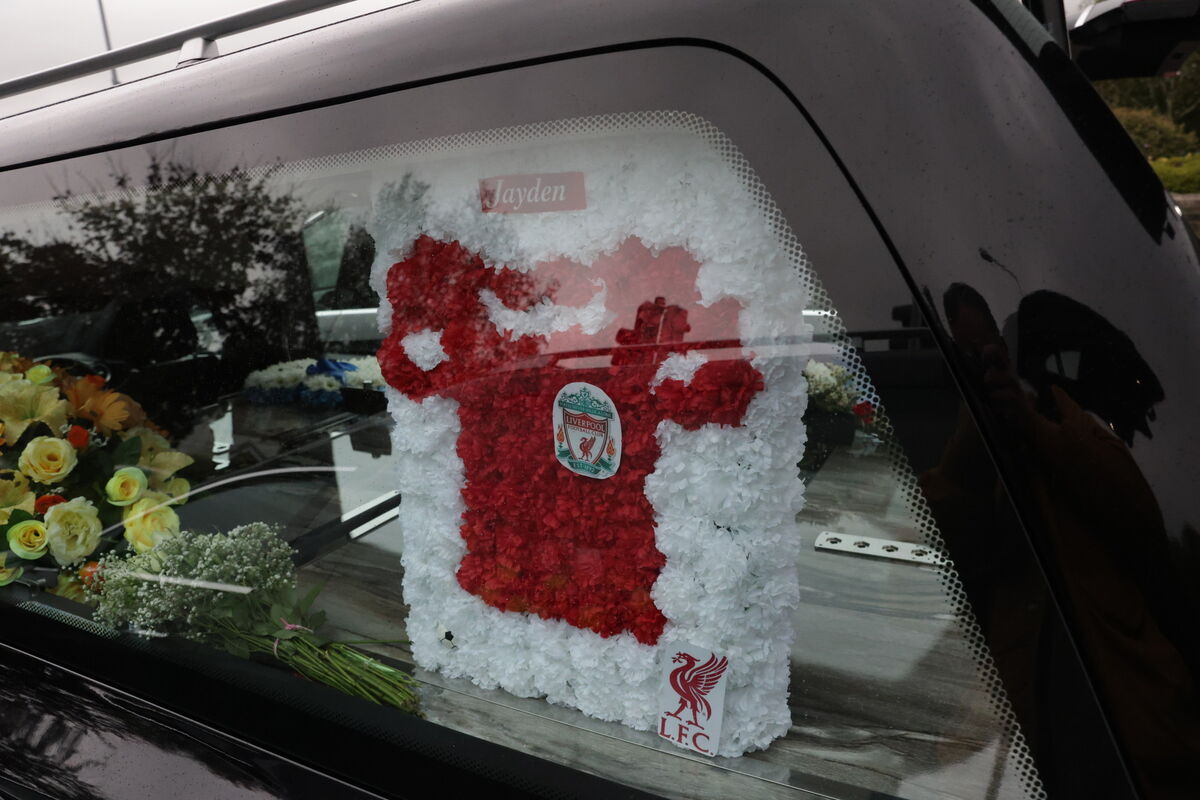
Vigils outside the boarded up home of the English family in Birchwood, Waterford City. Picture: Alex Cunningham
On October 13 in Waterford, four innocent people died. Two were children.
On Friday, their six-year-old sibling Elliot died from his injuries, bringing the death toll to five, in an arson attack allegedly linked to a drug debt.
We all share the hope that those responsible will be brought to justice. But we know violence linked to the drugs trade will undoubtedly continue.
It’s not yet 12 months since four-year-old Tadhg Farrell and his grand-aunt Mary Holt died in a similar attack in Edenderry. If we genuinely want to reduce this violence and protect our children, we need to legalise and regulate drugs.
It’s an idea that can feel inherently wrong: uncomfortable, even morally jarring. It challenges lessons we have absorbed for generations. Yet proponents argue a tightly controlled, State-run supply could move much of the market out of criminal hands and shrink the black market.
Instead of buying drugs from a backstreet dealer, an adult would enter a licensed, State-operated dispensary. Rules would vary by drug, with strict limits on dosage and quantity, age controls, quality assurance and health guidance.
Read More
People dependent on opioids could access free, medically supervised heroin-assisted treatment — saving lives, reducing crime and diverting them from illicit suppliers.
These details matter, but first we must confront the moral question. If you oppose legalisation, or remain uncertain, ask yourself: even with a satisfactory regulatory framework, would your objection remain? Is it about the practical details, or the principle itself?
Our conviction that drugs are simply “wrong” is not innate. It has been shaped by decades of sensationalist coverage, political classifications rooted in America’s War on Drugs, and policies we have rarely stopped to interrogate.
The “iron law of prohibition” suggests as enforcement intensifies, illegal markets have incentives to supply drugs in more potent, compact forms, increasing the risk of fatal overdose.
Hundreds of drug-related deaths occur in Ireland each year. Experiences in places like Switzerland and Portugal show how health-led approaches can reduce harm, although their policies differ and neither offers a simple template for Ireland.
Would legalisation still be dismissed as too radical if the communities most affected by drugs and drug-related crime were wealthier and more politically influential? Perhaps it would seem less unthinkable if those in power had a more direct stake in the consequences of current policy.
Legalisation would not solve every problem. Drugs are dangerous. Use may rise. Addiction, associated mental ill health, and deaths would continue. But these problems exist under prohibition.
We should stop treating the current system as if it were working simply because it’s familiar. Legalisation is not a perfect solution — it’s harm reduction. It may seem unpalatable, but it’s the least-worst option.
The gardaí are exceptionally good at what they do, and if we provide them with more resources, they will seize more drugs and jail more dealers. But, as Conor Lally from the observed, "as soon as one gang — or even a large cartel — is hit hard or halted by gardaí, someone else has already gained a foothold in the trade. The process never stops. Even the biggest of seizures rarely affects availability of any drug on the streets."
A seizure is not proof of success — it also exposes the limits of enforcement in a market that continues to grow. Violence often intensifies when gang members are jailed as rival groups fight for control. Meanwhile, drug intimidation is massively under-reported: gangs use threats and extreme violence as a means to prevent people speaking to gardaí.
Paradoxically, the better gardaí get at interrupting the drugs trade, the more sinister organised crime becomes. The ultimate buffer between drug lords and the authorities are children. That’s why our kids are being groomed, exploited and drawn into dealing drugs. They are used to move money or intimidate people who owe money.
Judge Keenan Johnson recently said “all State resources” should be used to catch and imprison drug barons who use children as foot soldiers. A logical response, but akin to whack a mole. If we want lasting change, we need to remove the market from the drug barons so they cannot use children.
Most teenagers are thankfully not involved in drug gangs. But any young person seeking drugs can be sold them — dealers don’t ask for ID. As long as supply is controlled by criminals, children will remain vulnerable both as customers and as tools of intimidation and exploitation. Acting to prevent this is a moral necessity.

The illegal drug trade is among the world’s most lucrative criminal markets. Its profits can buy influence, corrupt institutions and undermine the very systems meant to protect the public, including law enforcement.
As we saw recently, investigations into allegations of money laundering at a registered charity is not met with any great surprise. The money also sustains a wider ecosystem of organised crime, from cybercrime and counterfeiting to arms and human trafficking.
The appeal of wealth and luxury lures teenagers into gangs and away from school, diversion programmes and sports.
Ireland’s top crime lords have amassed millions and international notoriety. Yet we continue to leave this extraordinarily profitable market in criminal hands. Imprisonment and enforcement will remain necessary, but it’s clear they alone cannot eliminate the demand or profits that attract new recruits.
The greatest threat to these criminal empires is not arrest or seizure, but the removal of the market that sustains them. For all their wealth, power and brutality, their greatest fear is the legalisation and strict regulation of drugs.
- Rory O'Carroll is a senior mental health social worker and a former Dublin footballer. He writes in a personal capacity
CONNECT WITH US TODAY



Be the first to know the latest news and updates