Ireland ‘unprepared’ for extreme heat as expert warns of rising health risks and pressure on services
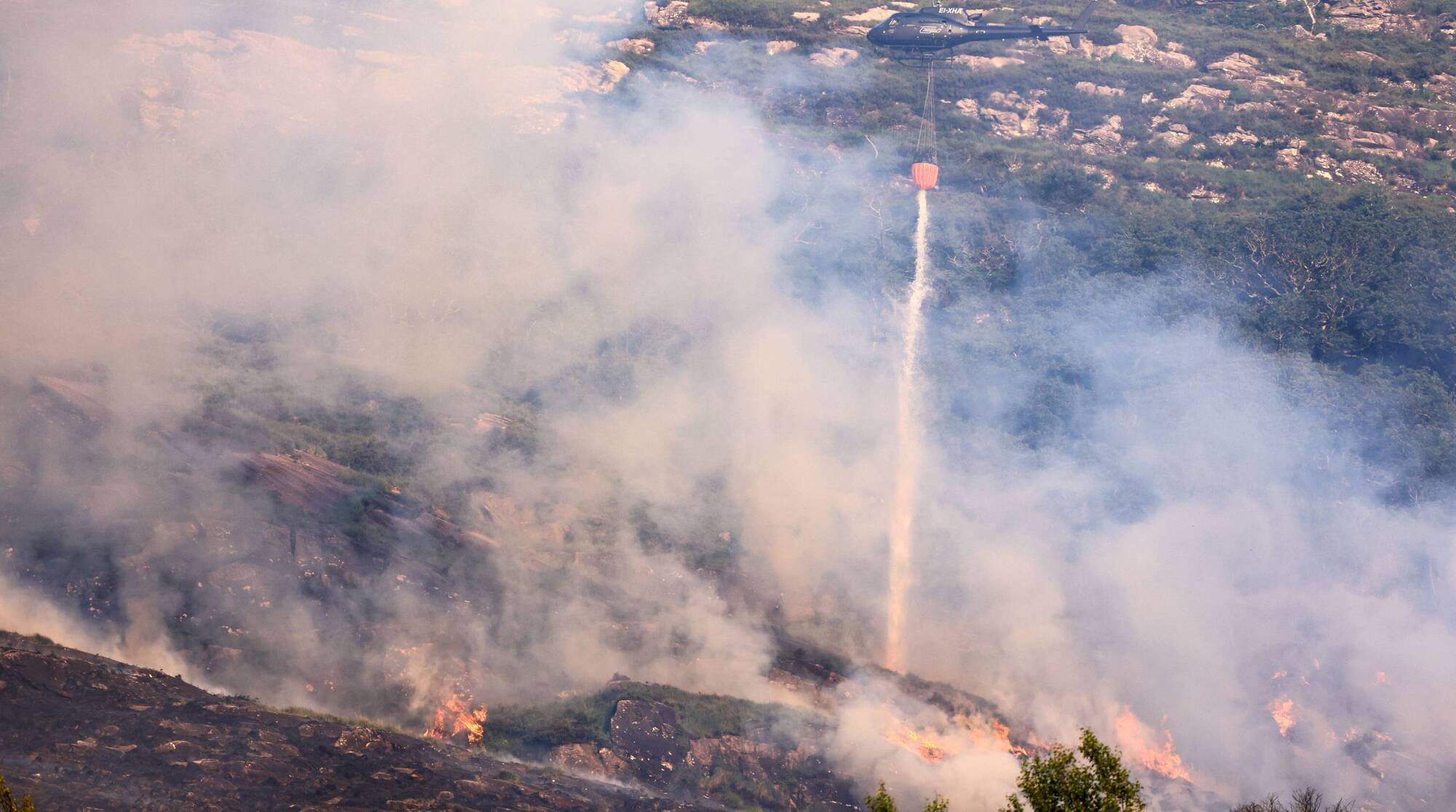
A wildfire in Killarney National Park this summer. Photo: Valerie O'Sullivan/NPWS
Extreme heat conditions in Ireland could lead to more hospitalisations, ambulance call-outs, accidents, injuries and drownings unless a heat-health action plan is put in place.
The World Health Organisation has recommended that countries, regions and cities across Europe develop, implement and improve heat-health action plans.
However, Ireland has yet to adopt its own plan, which would set out predefined actions and avoid "fragmented, ad hoc responses" to the health impacts of extreme heat by "ensuring predictable and accountable measures are in place".
According to the HSE, no excess all-cause mortality has been observed in Ireland in recent months, including during recent periods of hot weather.
“HPSC will continue to closely monitor excess mortality throughout the summer period,” a spokesperson told the .
“As it can take time for deaths to be officially registered, the most recent estimates are provisional and may change slightly as further deaths are registered,” they added.
Lecturer at University College Cork’s School of Public Health Dr Christie Godsmark said that if Ireland is “unprepared” and does not take action in advance of extreme heat events, “we will see increases in health impacts”.
Dr Godsmark said the direct impacts of extreme heat could include illness, heatstroke, dehydration and heat exhaustion, while also exacerbating pre-existing health conditions.
“People who have respiratory diseases or cardiovascular diseases, diabetes, mental health conditions — all those can be exacerbated by extreme heat,” she told the .
“And then we will also see increased rates of hospitalisation, and generally you do see increased mortality around extreme heat events,” Dr Godsmark said.
She added that extreme heat can impact our health services as well.
“There will be more ambulance call-outs, and waiting times between calls will increase. There can also be challenges with storing medications at certain temperatures.
“We will also see people’s behaviours change around extreme heat, so we could see more accidents, injuries and maybe even more drownings as people neglect water safety issues.
“We will also see an increased risk of infectious diseases and then disruption to essential services, like our power supply, and our drinking water or our transport services,” Dr Godsmark said.
However, she added that while these are factors influenced by extreme heat, climate change as a whole will have “its own cascading impact on health”.
Citing research, Dr Godsmark said many cities are “going to suffer from the urban heat island effect, due to not enough greening and not enough blue”.
“And by 2050, some 80% of the population will live in cities, so it is imperative; it is our duty to respond to this largely predictable risk,” she added.
“I would advocate particularly for cities at the moment [to have a heat health action plan implemented] because of the urban heat island effect,” she said.
The urban heat island effect occurs when cities are routinely hotter than surrounding rural areas because of factors such as a lack of green or blue spaces (ponds, lakes, parks), concentrated heat-generating activities and materials such as concrete roads and buildings.
CLIMATE & SUSTAINABILITY HUB
CONNECT WITH US TODAY



Be the first to know the latest news and updates