One big push to end homelessness by 2030: Why hope is not naivety but a necessity

Partnerships across sectors demonstrate what is possible when compassion, innovation, and commitment intersect. Ending homelessness is a shared responsibility across sectors, communities, and institutions, and that collective action amplifies impact. File photo
Five years ago, Ireland made a promise: that by 2030 homelessness would be ended. That commitment was made when Ireland signed the Lisbon Declaration in 2021.
Today, with fewer than five years left, more people than ever are living in emergency accommodation. The question is no longer whether the ambition was worthwhile, but whether we are prepared to act with the urgency it demands.
Behind every statistic is someone whose life has been put on hold — a person sleeping rough, moving from hostel to hostel, or spending months in emergency accommodation while waiting for the stability that most of us take for granted.
During this year’s Simon Week (September 20-27), we are calling for one big push to end single adult homelessness by 2030, focusing on what works, what needs to be done, and how we can work together to make this happen. Almost two-thirds of all adults are facing homelessness alone and we want to fix it.
Read More
We will not end homelessness if we continue to exclude the largest cohort of people experiencing homelessness from delivery action plans and priority resourcing. We will hear from experts in Europe on what is working in their countries and cities and we will work together to share best practice and innovative solutions to homelessness.
Our policy work consistently demonstrates that homelessness is not inevitable. For example, for 10 years now, our Locked Out of the Market reports have provided robust, repeated evidence of how inaccessible the private rented sector has become for people reliant on social housing supports.
These reports do more than highlight scarcity; they expose exclusion. When people cannot access housing, even when they have support in place, homelessness is not a failure of individuals, but of systems. The conclusions are stark, but they point towards change. Policy choices can reshape this reality.
Homelessness is not solely a supply issue. Supply matters profoundly, but access matters just as much. Even as new social homes come on stream, people must be able to move swiftly from emergency accommodation into permanent housing.
That requires co-ordination across government, clear prioritisation, and political resolve. It also requires listening to evidence and acting on it.
Through our representative work and extensive engagement in public consultations, Simon Communities of Ireland has consistently highlighted blockages in move-on pathways and the human cost of inaction.
Encouragingly, many recent policy developments, particularly around prevention and tenant protections, have been informed by this sustained advocacy.
Targets matter. The Lisbon Declaration’s 2030 deadline matters. It focuses effort, creates accountability, and asserts something fundamental: homelessness is not a permanent feature of Irish society.
It is the result of decisions — about housing, income, services, and rights — and it can be ended by different, better decisions.
That is why the absence of clear, measurable targets to end homelessness for single adults in the most recent housing plan is so concerning.
Without explicit goals, momentum falters. With them, systems are compelled to align.
Remaining hopeful does not mean minimising the scale or complexity of the crisis. Homelessness today is visible, severe, and deeply confronting. But pessimism risks paralysis. It normalises emergency responses and lowers expectations.
Optimism, by contrast, demands urgency. It insists that policy can improve, that markets can be shaped in the public interest, and that people experiencing homelessness deserve solutions.
At Simon Communities of Ireland, our optimism is grounded in evidence, experience, and action. Every day, frontline teams across Simon Communities work with people experiencing homelessness across the country.
We see both the depth of the crisis and the pathways out of it.
Crucially, we translate those insights into systemic advocacy, through detailed policy submissions, sustained engagement in public consultations, and representative work with government departments, local authorities, and national decision-makers.
This dual role, supporting people while shaping policy, allows us to be clear-eyed about the problems while confident about the solutions.
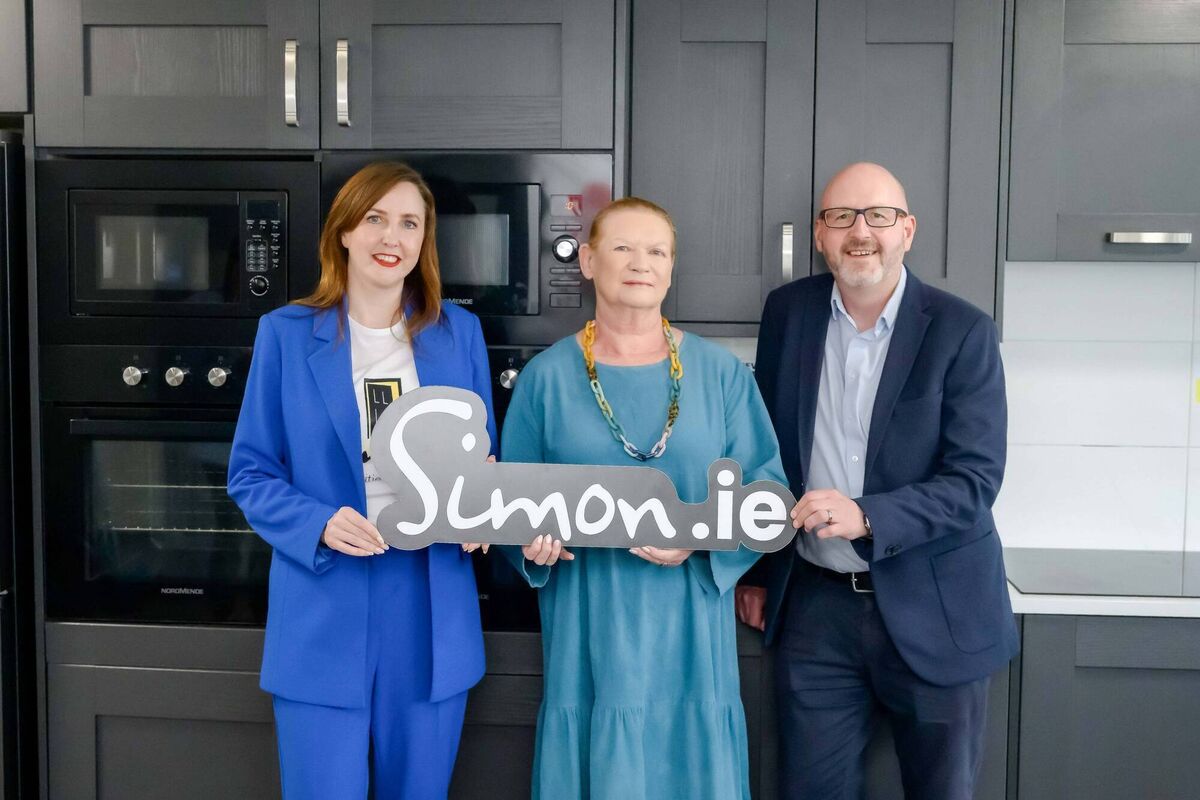
Optimism is also sustained by partnership. Partnerships across sectors demonstrate what is possible when compassion, innovation, and commitment intersect.
Ending homelessness is a shared responsibility across sectors, communities, and institutions, and that collective action amplifies impact.
We remain hopeful because we see people exit homelessness every day when the right supports, housing options, and protections are in place. We remain hopeful because decades of evidence, including our own research and submissions, show that prevention works and systems can change.
And we remain committed to using every tool at our disposal — frontline insight, evidence-based research, representative advocacy, and constructive engagement — to ensure that the solutions we know work are implemented at scale.
Ending homelessness by 2030 is ambitious. But ambition is precisely what this moment demands. Hope is not naïve — it is necessary.
Simon Week 2026 is an opportunity for all of us — government, communities, businesses and individuals — to help turn that hope into action.
To donate or find out more about Simon Week, see simon.ie/simonweek.
- Ber Grogan, executive director of Simon Communities of Ireland, and Alan Morris, head of marketing at Cash & Carry Kitchens (Simon Week Partners of Simon Communities of Ireland).

CONNECT WITH US TODAY



Be the first to know the latest news and updates