Ireland a 'cautionary tale' over data centre construction, committee to hear
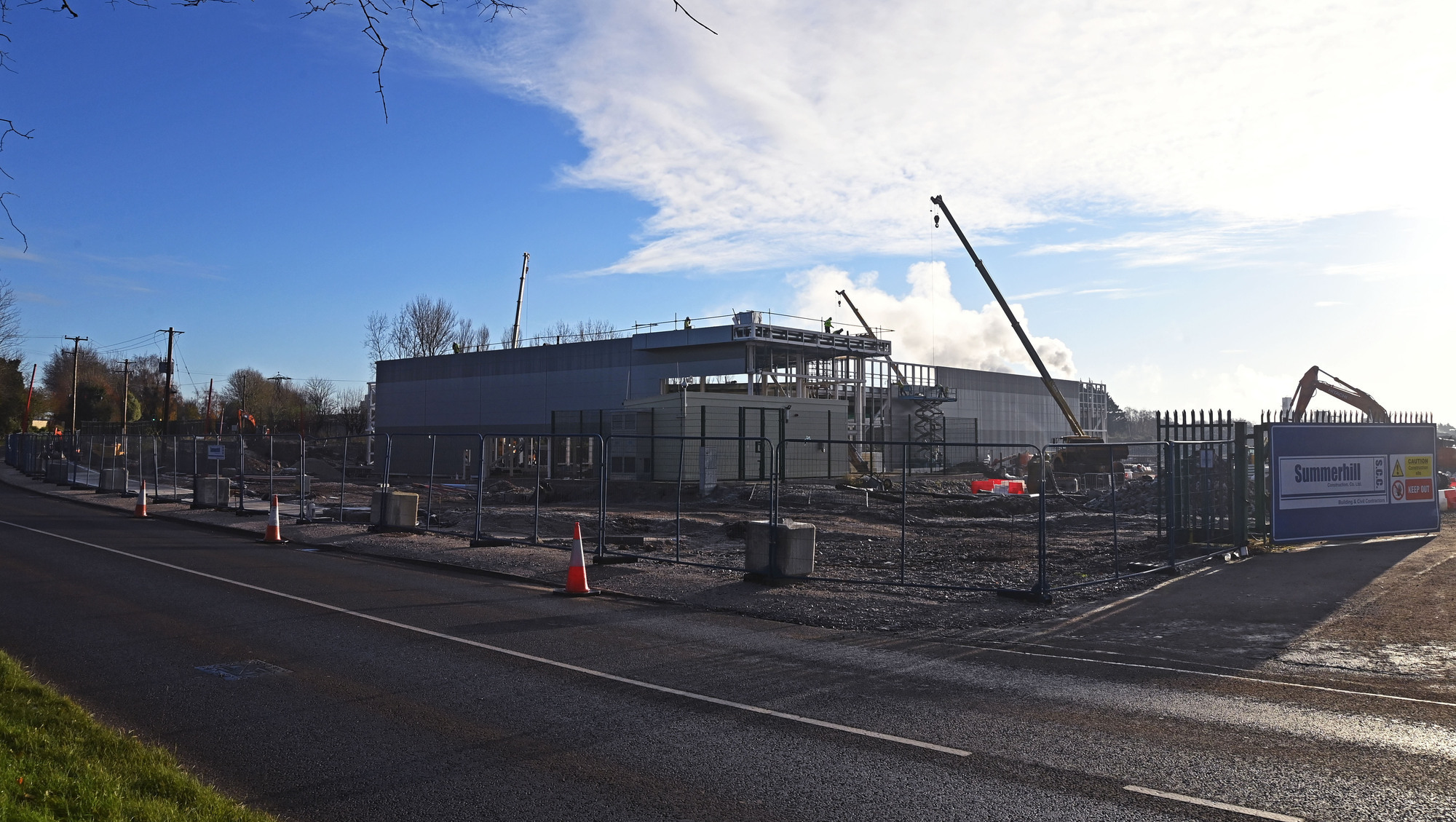
Ireland's 129 data centres consumed 23% of the country's electricity last year. Picture: Denis Minihane
An environmental advocacy body has warned Ireland has become a "cautionary tale" in terms of data centres, with pending construction likely to prevent renewables from displacing gas on Ireland's energy grid.
Friends of the Earth Ireland will tell the Oireachtas committee on artificial intelligence on Tuesday that there is currently 700 megawatts worth of data centre development at the planning stage across Ireland.
It says if this comes to fruition, it would equate to "adding a county the size of Cork to our grid in the next two to three years".
The organisation's network development manager, Rosi Leonard, will tell the committee it is "not clear that this additional demand is needed, and there is mounting evidence that many existing data centres are not at capacity".
She will argue an exponential increase in the number of data centres "is fundamentally oppositional" to the State's climate targets.
"Hyperscale development is locking in a new era of fossil gas in Ireland, a relationship baked into recent policies," Ms Leonard will say.
The committee will be discussing the impact of data centres constructed specifically to manage the demands of AI-related systems.
Ireland's 129 data centres consumed 23% of the country's electricity in 2025.
Globally there is a growing political disquiet over the outsized impact of the installations on nations' energy grids.
Ms Leonard will argue that data centres have added €715m in total to household bills over the past 10 years, “with each household paying an average €360 worth of additional costs on their bill which would not be there had data centre demand been less intense on the grid".
"Without urgent policy intervention to limit data centre demand into the future, this figure is projected to rise to between €1.4bn and €1.6bn over the next 10 years,” she will say, while noting that data centres themselves, once created, support “very few permanent jobs”.
The Oireachtas committee will also hear from AI and digital sustainability consultant David Jensen, who will argue that the energy impact of data centres should be considered in the round with the positive effects AI could have on society.
He is expected to recommend a series of "low cost" steps the committee could call for in the short term, including the extension of the Commission for Regulation of Utilities disclosure requirements for companies to include their prospective use of water, land, and e-waste, and not just the amount of electricity they will consume.
Mr Jensen will also recommend that any project in receipt of State funding, on the back of claims their product will deliver efficiencies from AI solutions, must be required to substantiate those claims.
"The committee does not need to choose between AI's promise and its cost," he will say. "It needs the accounting that tells the difference between the two."
Separately, the head of the Government's new dedicated AI unit has been officially appointed by Cabinet.
Paul Byrne, who took over the role over the course of the summer, is the new chief executive of the agency and brings to the role "extensive national and international experience", according to a memo brought to Cabinet on Monday.
While that unit is based within the Department of Enterprise itself, it will nevertheless be "fully independent with its own interim board now established", the memo said.
The unit will be tasked with "playing a key role in developing public trust in AI, providing strategic leadership and ensuring compliance with the law", it added.

CLIMATE & SUSTAINABILITY HUB
CONNECT WITH US TODAY



Be the first to know the latest news and updates