When fatal is 'not fatal enough': Eight years since the repeal of the eighth
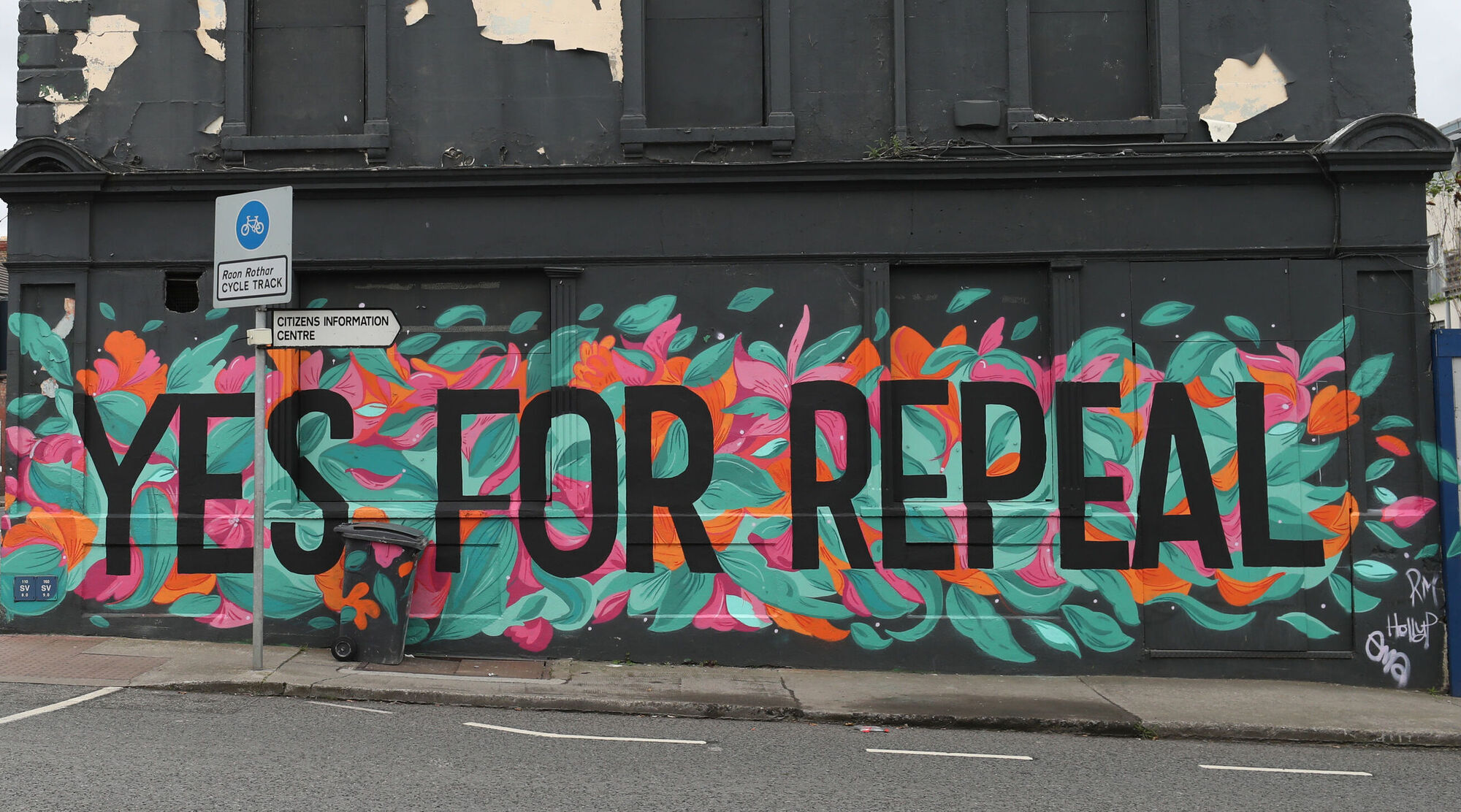
When the Irish people voted to repeal the eighth amendment, they also voted for a commitment that the associated legislation would be independently reviewed after three years to ensure it worked as intended. Picture: Niall Carson/PA
Constitutional events such as referendums can signify major social change.
That was certainly the case with the referendum to repeal the eighth amendment in 2018, which was the culmination of many years of political struggle to achieve reproductive rights and advance women’s equality.
However, such seismic constitutional moments can also create a misplaced sense of finality — that the struggle for equality has been concluded or resolved.
The yes/no answer to a referendum vote can also obscure the issue itself, instead defining it around winning and losing sides; sides that broad-based political parties might seek to placate or ‘balance’ in the future.
Eight years on, we are now seeing the repercussions of the referendum playing out at a transactional political level, where the human rights of women are once again relegated to the secondary role.
On the pages of the Constitution, the issue may be settled, but at the point of accessing healthcare, inequality persists.
That is why the debate about reforming Ireland's abortion law still matters.
Read More
When the Irish people voted to repeal the eighth amendment in 2018, they recognised that women facing crisis pregnancies should no longer be forced to leave the country to access healthcare.
They voted for compassion over criminalisation, healthcare over ideology, and trust over stigma.
Importantly, they also voted for a commitment that the associated legislation would be independently reviewed after three years to ensure it worked as intended.
The provision for a review recognised that the new legal reality would bring uncertainty and that the law would need to be appraised after a period of application.
It was intended as a measure of reassurance to all constituencies and perspectives.
That review has now been completed.
It listened to patients, clinicians, and experts.
Its conclusions were clear.
While the Health (Regulation of Termination of Pregnancy) Act 2018 has been shown to have transformed access to abortion care in Ireland, important parts of the law continue to create unnecessary barriers, stress, and uncertainty for patients and healthcare professionals.
Read More
The recent public testimony of Denise Whitmore, one of many women who are still forced to travel abroad in the most tragic and difficult of circumstances, reminds us why.
Following the diagnosis of a much-wanted pregnancy with a fatal foetal condition, every consultant involved in Ms Whitmore's care agreed that ending the pregnancy was the most compassionate option.
Yet, as she later explained: "The doctors could not say, with 100% certainty, that the baby would die within 28 days of being born… their hands were legally tied, and they were not able to provide this termination for us in Ireland."
Instead of receiving clear and compassionate healthcare close to home, she was left navigating legal thresholds and uncertainty at one of the darkest moments of her life.
Her experience is not unique.
The independent review heard from women who described repeated scans, multiple medical opinions, and uncertainty over whether they qualified for care.
Some travelled abroad because, although clinicians agreed their baby's condition was life-limiting, it could not be said with certainty that death would occur before birth or within 28 days after birth, the legal threshold set by the act.
The law also places an enormous burden on those providing that care.
One of the most striking findings of the review was evidence from consultants about the continuing "chilling effect" of criminalisation.
Although the act legalised abortion in many circumstances, it also retained criminal penalties for unlawful termination of pregnancy.
Perhaps the most telling phrase to emerge from the review was that some pregnancies were considered “not fatal enough”.
That is not a clinical diagnosis. It is a legal construct arising from how our legislation was drafted.
Ms Whitmore gave voice to the reality behind those words: "Unfortunately it was not fatal enough to have this procedure in Ireland."
Doctors should not have to decide whether a pregnancy is "fatal enough" to satisfy legislation.
They should be able to exercise their professional judgement, supported by evidence, ethics and the needs of their patients.
This matters because abortion is a human rights issue and rights are meaningful only when they can be exercised effectively in practice.
Delays, unnecessary procedural hurdles, and legal uncertainty fall most heavily on those already facing disadvantage, whether because of poverty, disability, migration status or domestic abuse.
The recent Dáil vote in favour of removing of the mandatory three-day waiting period before accessing abortion showed that legislators accepted the review's finding that parts of the act created barriers without clinical benefit or justification.
It is positive that we are now seeing progress in engaging with the review's recommendations.
But the review also recommended changes to the law on fatal foetal abnormalities, the removal of criminal sanctions on healthcare professionals, and measures to improve consistency access across the country.
The Irish Human Rights and Equality Commission has consistently argued that the law should support clinicians in exercising their professional judgement, not create uncertainty that inhibits it.
Above all, it should protect the dignity, autonomy, and equality of women at some of the most vulnerable moments of their lives.
It is precisely because women's fundamental rights remain compromised by State inaction that commission will be addressing this issue in Geneva this month, using the UN Universal Periodic Review to hold the Government internationally accountable for its failure to implement the abortion review.
As Ms Whitmore reflected on her experience, what she wanted was not something extraordinary.
The promise of compassionate care at home has yet to be realised for many women and families.
That is the promise Ireland made in 2018.
It is a promise we must now fulfil.


CONNECT WITH US TODAY



Be the first to know the latest news and updates