My grandmother fought for reproductive rights over 50 years ago — why are we still fighting?
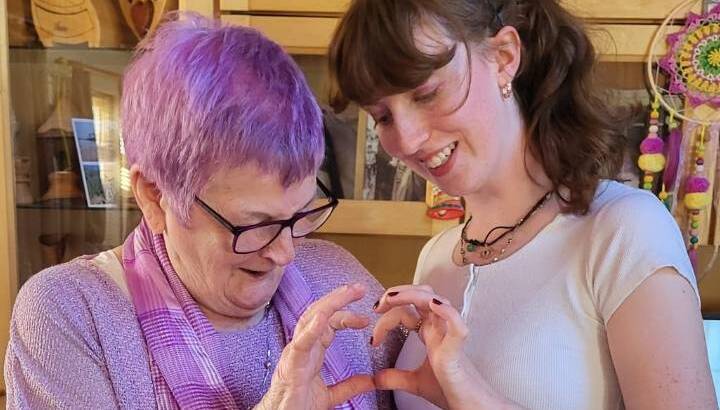
Aisling McGee and her grandmother May McGee.
In my first week at university, I wrote that “laws are in a constant state of motion”. At the time, I believed Ireland was a utopian society; that our laws and legislation evolved alongside the people they governed.
Perhaps it was naivety, or even just hopeful optimism. After all, I grew up listening to stories about my grandmother May McGee and the battle she had to fight for her own autonomy.
Six years after I wrote those words, I no longer believe them.
The Irish State has always approached women’s reproductive healthcare with hesitation, discomfort, and political caution. My grandmother was an ordinary woman in the face of extraordinary circumstances. For a long time, I did not realise the extent of her influence and impact. To me, she was my Nana who liked crochet and endless cups of tea. The reality, however, was that her body was in the hands of the State; she used to say: "It just wasn't right".
She believed in female autonomy, so much so that she was willing to take the state to the Supreme Court and air out her private marital matters for her body and every woman who came after.
In 1973, the landmark case McGee v Attorney General came before the Supreme Court, which ruled that the 1935 ban on the importation and sale of contraceptives violated the constitutional right to marital privacy. Following the judgement, married couples could legally import contraceptives for the purpose of family planning, while the sale of contraceptives within Ireland remained illegal.
Read More
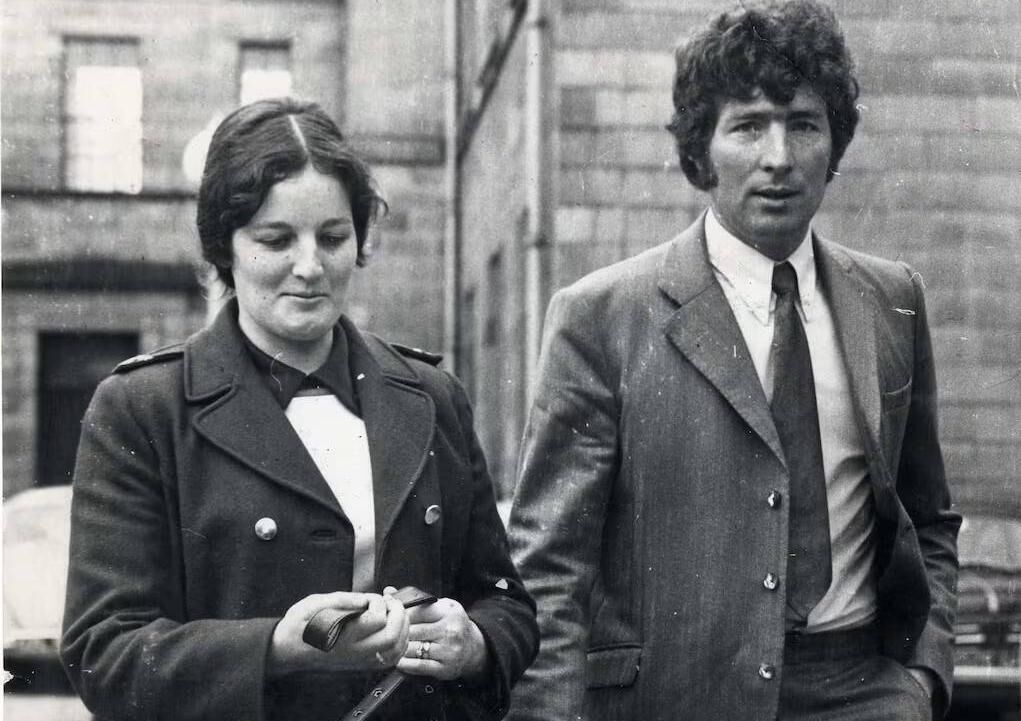
In 1979, six years later, legislation was finally introduced. Ireland at the time remained deeply shaped by Catholic teachings, with the law reflecting this reality. Charles Haughey famously described the 1979 act as “an Irish solution to an Irish problem”. Many criticised the legislation, arguing that it undermined women’s ability to make their own decisions regarding reproductive healthcare.
One would hope that, as a society, we have learned from our history. Yet, more than 50 years on, we are once again confronted with “an Irish solution to an Irish problem”. Whilst the language has changed, the underlying issue remains the same: mistrust of female bodily autonomy.
It shocks me that, half a century after my grandmother's fight for the State to acknowledge her autonomy, the female body is once again at the centre of political debate. Eight years ago, the Irish people voted overwhelmingly to repeal the Eighth Amendment. But significant barriers to abortion access remain, including this female bodily autonomy that I naively believed the State to respect.
The three-day wait period has repeatedly been identified as a barrier to healthcare access. In her independent review of the Health (Regulation of Termination of Pregnancy) Act 2018, submitted to then-health minister Stephen Donnelly, Marie O’Shea highlighted systemic barriers facing women seeking abortion care in Ireland. It has been widely criticised as medically unnecessary, patronising, and unjustified.
Opponents of the Reproductive Rights (Amendment) Bill 2026 argued that the waiting period provides “compassion” and “time for reflection”. Yet this argument ignores the fundamental reality that women do not decide to terminate a pregnancy lightly.
Research has consistently shown that abortion is a deeply personal and emotionally complex decision, and the mandatory delay has negative mental health impacts, with many describing the process as demeaning and distressing.
To seek abortion care already requires emotional resilience and strength. To then be told by the State that you must wait three more days to “reflect” on your decision is not compassionate; it is paternalistic. It undermines female bodily autonomy by implying that women cannot be trusted to make informed decisions about their own healthcare without State intervention.
Restricting or criminalising abortion has never eliminated the need to end pregnancies. What it does instead is place women at greater risk by limiting access to safe and regulated healthcare. Ireland has already witnessed the consequences of inaccessible reproductive care. For decades, women travelled abroad in silence, while others faced desperation, stigma, and unsafe alternatives at home.
My grandmother fought for her bodily autonomy when faced with the real risk that she may not have survived another pregnancy. Why, more than 50 years later, are women still facing such challenges?
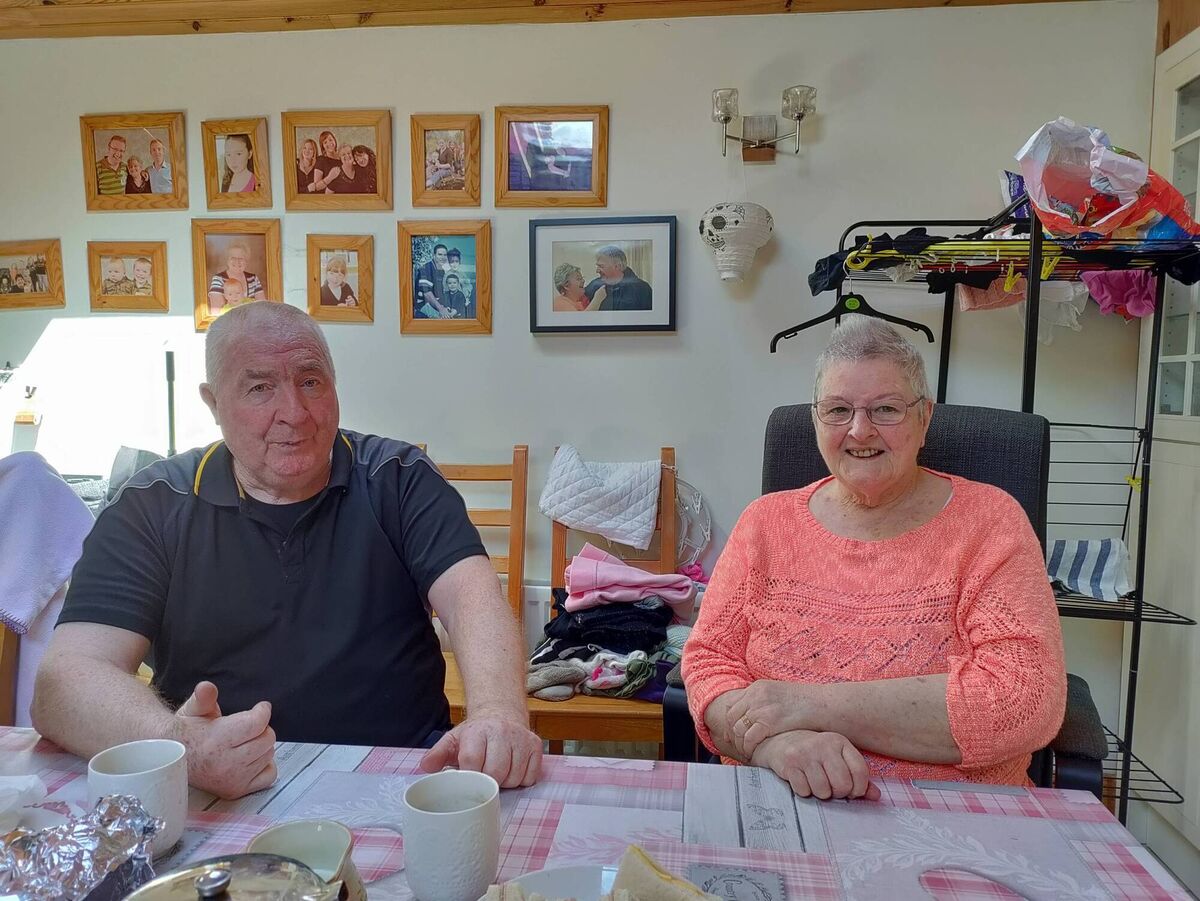
While May stepped out of the world of politics after her success in the Supreme Court, she remained a strong supporter of women's reproductive rights, often expressing her frustration that a woman's decision was still open to criticism. She questioned, as I do now, why women’s bodies were a political battleground.
Access to abortion services is not a political problem. It is healthcare.
Access to healthcare is a fundamental human right. Reproductive healthcare is inseparable from bodily autonomy, dignity, and equality. Ireland may have repealed the Eighth Amendment, but the culture that mistrusts women’s bodily autonomy persists.
I can no longer believe that Ireland’s legal system is constantly ‘in motion’ and responding to the needs of her citizens; how can it be possible that 53 years after my grandmother took her case to the Supreme Court, the female body is still a political battleground in Ireland?
CONNECT WITH US TODAY



Be the first to know the latest news and updates