Low-income working households falling through retrofit scheme gaps
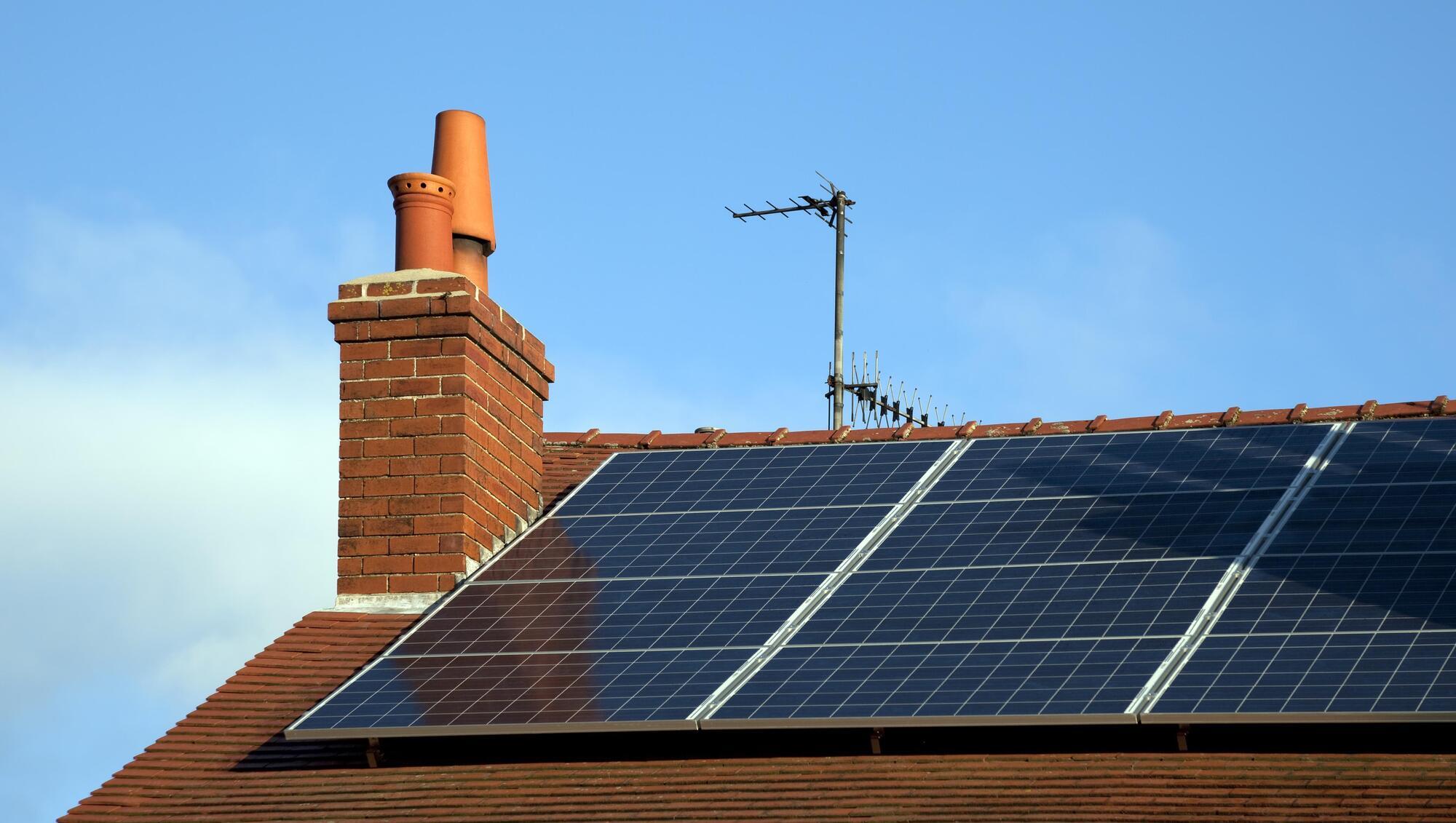
A homeowner on certain welfare payments can get up to €9,000 towards solar panels and a battery, while everyone else gets €1,800 for the panels and €600 for a battery.
Free retrofits are tied to welfare payments rather than income, which can leave a low-paid couple worse placed than pensioners who earn more.
Most of the coverage of home energy grants this autumn has been about what is new — a boiler scrappage payment, the first State grant for a home battery, more money for solar panels.
Of course all is welcome, to help insulate against ever changing (mainly rising), home heating costs, but there are inequities in the system.
A retired couple in their late 60s who have a combined income of up to €1,282 a week, over €66,000 a year, and have savings of €50,000, will qualify for the fuel allowance.
By qualifying for this, it more than just helps with the heating bill. It is one of a handful of payments that make a household eligible for the Warmer Homes Scheme, under which the Sustainable Energy Authority of Ireland (SEAI) upgrades the house at no cost to the owner.
These are not small jobs. The average one cost more than €27,700 in 2024, and under the package Cabinet approved on September 29, solar panels and a battery are to be included as standard.
Now take a couple in their 50s living a few doors up the road. Their children are reared and gone. One of them works full-time on the minimum wage, the other part-time, and between them they earn about €45,000.
They get no fuel allowance, because anyone under 66 has to be on a qualifying social welfare payment first, and with no dependent children they can't get the working family payment either. The Warmer Homes Scheme is closed to them, even though they have less income than the pensioners down the road.
Read More
What they can get are the standard SEAI grants, which are not to be sniffed at, but still will take a large investment on the part of this couple in order to access them. There is up to €12,500 for a heat pump, along with grants for attic and wall insulation and windows.
But for most measures, the household pays the contractor in full and claims the grant back afterwards. Since early this year, attic and cavity wall grants have been set at up to 80%of the median cost for most homeowners, and up to 100% for people on qualifying welfare payments (and for first-time buyers).
The new solar package follows the same pattern. A homeowner on certain welfare payments can get up to €9,000 towards panels and a battery, while everyone else gets €1,800 for the panels and €600 for a battery.
The CSO’s Domestic Building Energy Ratings Quarter 2 2026 report puts the share of households heating with kerosene at more than 66% in many rural counties, and the ESRI has warned lower-income households relying on oil could be significantly exposed this winter.
However, if you are not in a position to afford to pay for this change, you are caught paying more to heat a home that takes more energy to heat than a neighbouring home which has got an upgrade.

To be fair to whoever designed it, there are good reasons for running the scheme through social welfare payments. It is cheap to administer, since SEAI just checks eligibility with the Department of Social Protection and nobody has to fill in a separate means test.
Older people are more vulnerable in cold, damp homes, so it makes sense they are looked after first. The difficulty is that eligibility depends on the type of income rather than the amount. A retired couple on €66,000 can qualify. The working couple on €45,000 can't, and nor can a single person on the minimum wage earning about €30,000 a year. This is not targeting all those most in need.
Further, Warmer Homes is funded from carbon tax receipts, along with EU regional funds. The couple in their 50s pay carbon tax every time they fill the oil tank, and some of that money goes on upgrades they are not in a financial position to avail of.
None of this will come as a surprise to researchers. A Trinity College Dublin study published earlier this year found heat pumps and solar panels are clustered in higher-income, owner-occupied areas, that grants paid after the work is done tend to suit better-off households, and that counties such as Leitrim, Longford and Donegal are lagging.
What I would like to see is fairly modest. Leave Warmer Homes as it is, but open the higher grant rates to any household under an income threshold, whether the money comes from wages, a pension or welfare.
The State can already check this. SEAI verifies welfare payments electronically, and Revenue has had real-time payroll data on every employee since 2019, so with the applicant's consent, income could be confirmed in much the same way.
For those households, the grant should also come off the bill at the outset, as it already does for people who use a One Stop Shop for a whole-house upgrade, rather than arriving weeks after the builder has been paid.
Energy minister Darragh O'Brien has said an energy affordability action plan is due this month. That would be a good place to start. How cold a house is, and how much income the household has, seem like better guides to who needs help rather than just where that income comes from.
- Karol Kissane is head of public sector services and economics at Ifac (the Irish Farm Accounts Co-Operative)


CONNECT WITH US TODAY



Be the first to know the latest news and updates