'We’ve been pushed and shoved' into strike action, teachers say
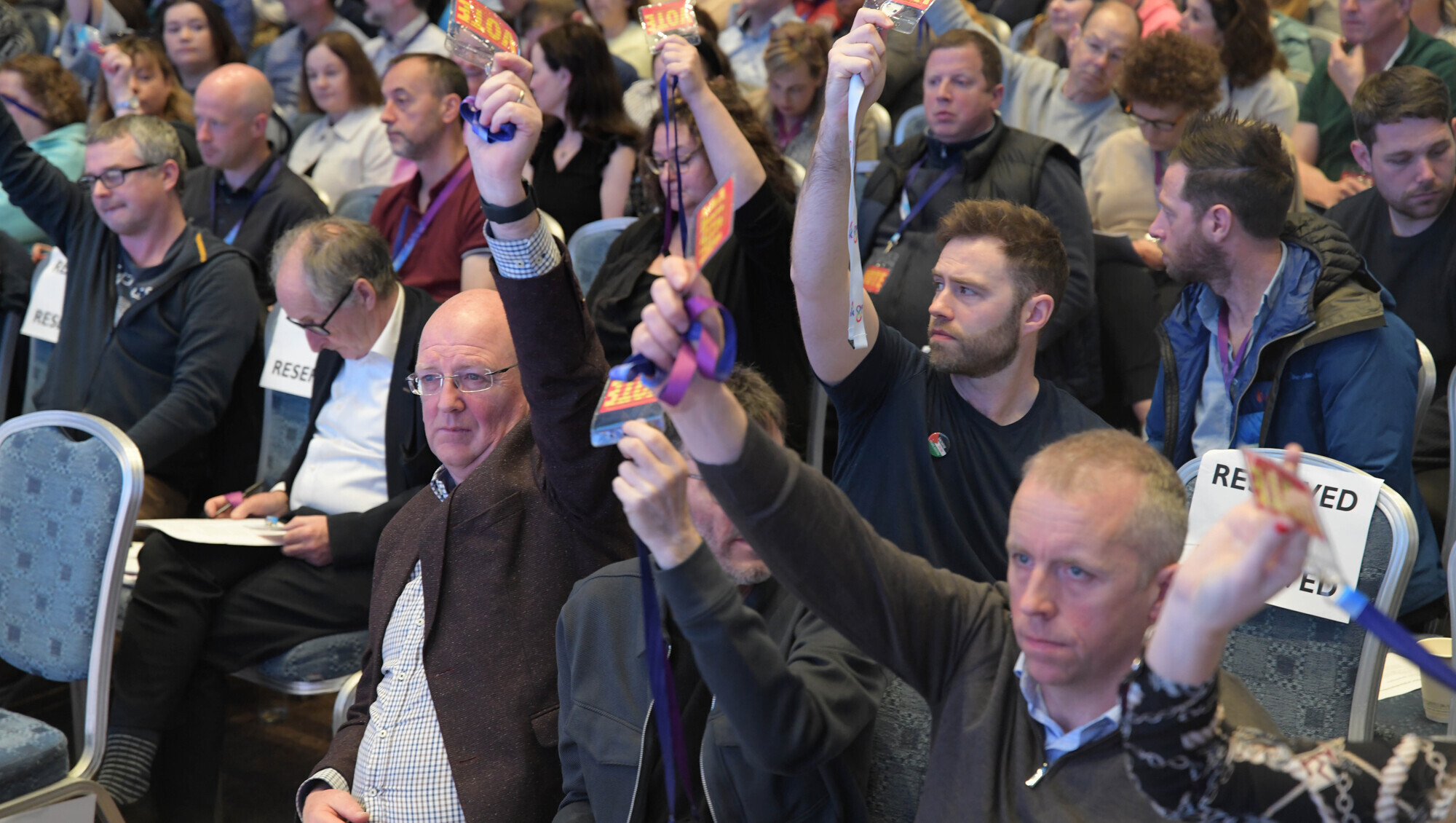
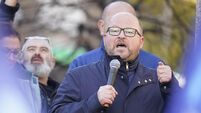
Teachers voting at the Irish National Teachers' Organisation annual congress in Galway last April. Among the 400,000 public sector workers striking are approximately 93,000 teachers working in primary, post-primary and further education. File photo: Moya Nolan
Teachers feel they have been "pushed and shoved" into striking as pickets prepare to line the gates of thousands of schools on Wednesday.
Among the 400,000 public sector workers striking are approximately 93,000 teachers working in primary, post-primary and further education.
Tracie Tobin, a primary school teacher in Limerick city and a member of the Irish National Teachers Organisation (INTO) central executive committee, said teachers do not want to stand outside schools on strike.
“The last place I want to find myself is outside the gate, but I think we’ve been pushed and shoved and we’ve had no other opportunity to engage in constructive talks. We had no choice really but to do what we’re doing, and to speak up for ourselves once and for all.
“I’m hopeful that maybe the Government will come to their senses and will realise we mean business, and that we want to get into constructive talks and that we want to move forward so that we can get back to work, and get back to what we want to do, not standing outside school gates.”
Read More
Three of her four daughters are currently studying to become teachers.
“I’m doing this, not just for myself, but for the future. It's really important; I don’t want them to leave this country. I’m meeting [INTO] members that we’re losing on a daily basis because they can’t afford to live here.
Wednesday will be the first major industrial action undertaken by many teachers. The last time strike action closed almost all schools across the country was in 2009.
In Cork, John Byrne, Association of Secondary Teachers Ireland (ASTI) rep, said younger teachers "are very much on board".
"They are very conscious that they’ve spent, after doing their primary degree, two years forking out hefty fees to colleges to do their Professional Masters in Education (PME). That’s cost them an awful lot of money.
"Before they even start their career, they are in debt. Once they initially get a job, it takes them 27 years to get to the top of the scale."
This has made teaching “unattractive” as a career and contributed to a crisis in recruitment and retention, he added.
Les Begley, Teachers' Union of Ireland (TUI) rep for Kerry and Limerick, said amongst teachers on the ground, "people feel like they’ve been left behind a little bit, in terms of the cost-of-living crisis, and there’s anger there as well.”
Union campaigns in recent years have focused on restoring the pay of newly qualified teachers.
"It took a long time, but eventually we got around to getting them back to parity again. It's not just younger teachers that are angry about this. It seems to be across the board. Those who are advanced in their careers, and those who are just starting out."
People are under pressure, he added.
“We’re hearing it at every meeting that we go to, that people are under pressure financially.”


CONNECT WITH US TODAY



Be the first to know the latest news and updates