Childcare is more than a cost centre

Commitments to reduce out-of-pocket costs for parents provides only false hope for the many worried about the current expense, and no hope at all for those who can't even get their child in the door of an early years setting. File picture
With many early years settings closed for the summer, parents across the country have been conducting UN mission levels of co-ordination to organise camps, clubs, and grandparents’ cover for children for the next six to eight weeks.
Simultaneously, many staff — largely graduates — are signing on to social welfare to bridge their own gaps over the coming months. This has happened every summer for years. You might imagine that qualifies it as an issue to be addressed by the Government in the upcoming Budget.
In his opening remarks at the recent National Economic Dialogue forum, where budget priorities are officially soft launched, Tánaiste and minister for finance Simon Harris declared that the "Government must remain committed to making childcare substantially more affordable for working families".
Of course, Early Childhood Ireland welcomes any good intentions to prioritise this vital area of children’s lives in the upcoming budget statement. However, the Tánaiste’s address made clear that we are still having the wrong conversation.
Read More
Childcare is a service for children; access to high-quality experiences in early years and school age care settings should be a right for every child.
Language matters, so it feels appropriate to examine the words which the Tánaiste used in his declaration to prioritise "childcare". Words such as "expensive", and "one of the largest monthly expenses families face" are entirely accurate.
That parents, particularly mothers, "face difficult choices between remaining in work and providing care at home", is a fair and important point, but if the Government continues to view childcare as a cost-of-living problem, it will perpetuate what feels like a decades-long, wilful misperception of early years and school age care that is hugely damaging to our youngest citizens and future generations.
From the government’s general description of the challenges parents face and the view that investment in this area is "good economic policy", we are led to understand that children and parenthood are an inconvenience to employers and the economic potential of the working age population.
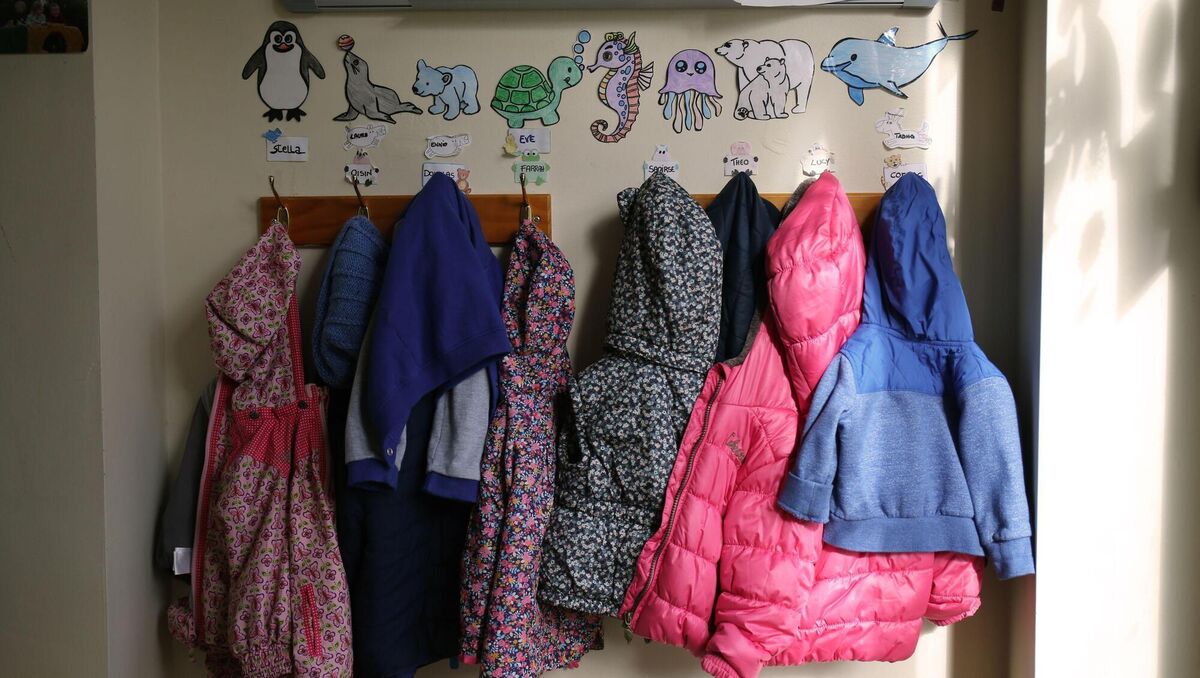
Some might interpret the Government’s view of childcare as an expensive holding pen for children, rather than an essential public good that forms the foundation of a child’s care and education.
If early years and school age care is continually framed as a cost to be reduced for parents, we neither acknowledge the priority for our children — high-quality care and education — nor the bigger problem which parents face — availability of places in their own community.
Put simply, the Government could continue to patch up this chronically underfunded sector by reducing parents’ bills incrementally for the next decade, and it would not solve the real problems in settings. There are currently up to 46,000 children aged three or under on waiting lists for a crèche place in Ireland.
Commitments to reduce out-of-pocket costs for parents provides only false hope for the many worried about the current expense, and no hope at all for those who can't even get their child in the door of an early years setting.
Which brings us back to the 42,000 qualified, experienced, committed staff who work in settings in communities across Ireland — many of whom find themselves in an employment limbo each summer. Despite the critical role they play in the most formative years of a child’s life, laying the foundation for lifelong learning and child well-being, these professionals do not receive the terms and conditions, nor the recognition and status they deserve.
As a society we would not tolerate thousands of primary teachers signing on every summer. Nor would we allow staff turnover as high as 37% in our national schools.
Addressing pay and working conditions to keep experienced and qualified staff would open doors, quite literally, to early years settings and retain the standards of quality care that our children deserve.
We hear from our members every day who would love to expand or re-open a baby room, but in every conversation, they feel prevented from doing this because of the challenges they face recruiting staff. This is no surprise given the €15 per hour wage on offer to many, and the lack of proper sick pay, maternity top-ups or a pension.
Last week, I met with some key politicians to discuss the need to prioritise children — not just childcare — in the upcoming Budget. They know and understand our system well.
Not one disagreed with our assertion that plans to reduce fees and proposals to build more crèches will fail unless providers have confidence about staffing. Consistent relationships with qualified and or experienced staff is a key indicator of quality worldwide.
Children in Ireland deserve no less.
- Teresa Heeney is the CEO of Early Childhood Ireland
CONNECT WITH US TODAY



Be the first to know the latest news and updates