Almost 7,000 people sought help for eating disorders last year, some after 25 years, report shows
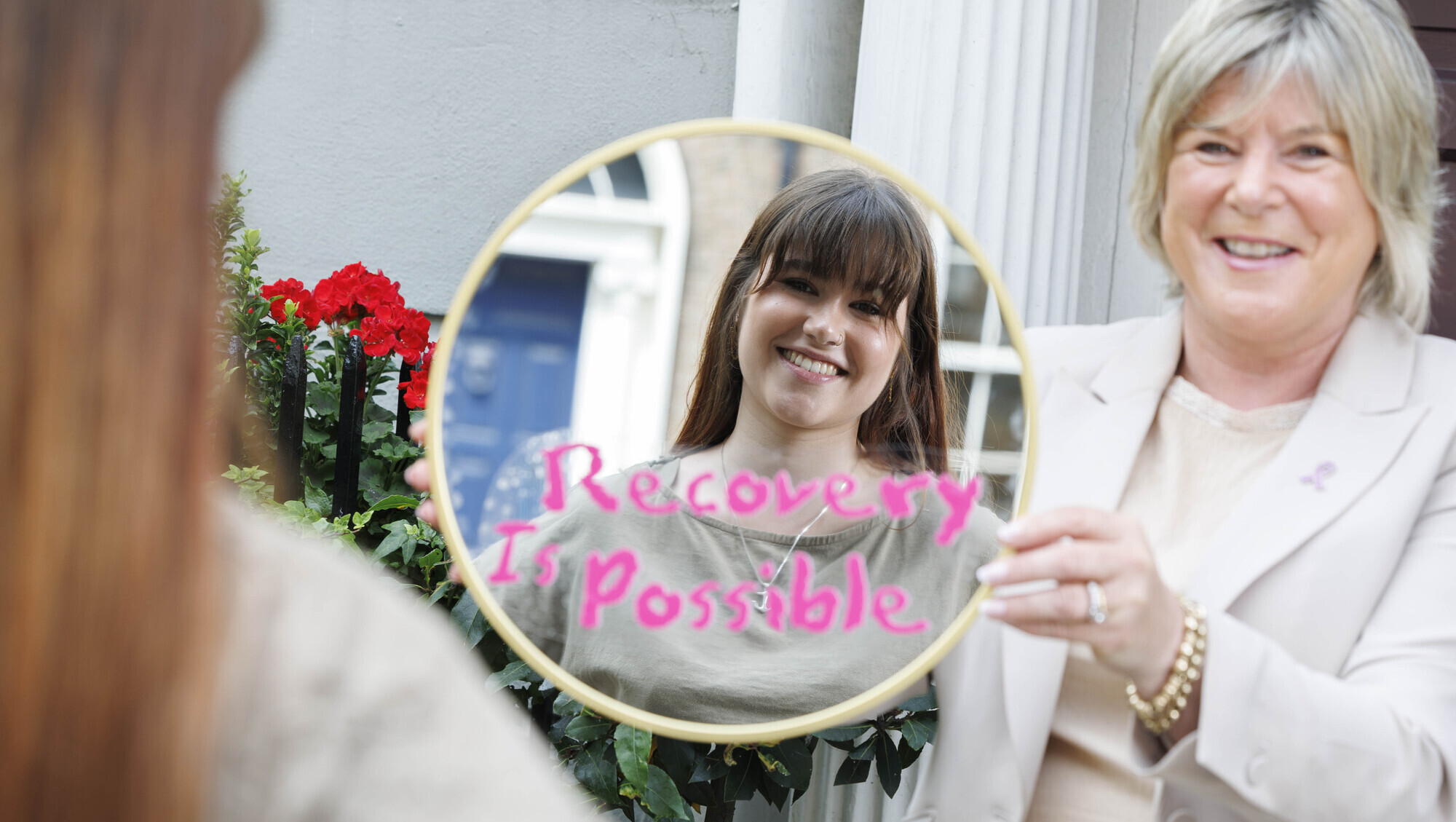
Bodywhys service user Elsa Jane Johnson from Ratoath, Co Meath, with mental health minister Mary Butler at the launch of Bodywhys annual report 2025. Picture: Conor McCabe Photography
Almost 7,000 people sought help from a national association for eating disorders last year — some reaching out for help after more than 25 years of living with the issue.
The group, Bodywhys, marked its 30th anniversary on Thursday with the launch of its annual report by minister for mental health Mary Butler.
Since it was established, more than 80,000 people have been supported by the organisation, with more than half of that figure supported in the past decade.
The report showed 6,696 people had used the organisation’s services last year, including its helpline, support email service, online support groups, family support services, and structured support programmes.
In total, 2,612 calls were made to the helpline, with 43% related to someone under the age of 18, while more than half of support emails concerned children and young people aged between 10 and 18 years.
However, 57% of helpline calls related to an adult, with one quarter concerning someone aged over 36.
The report said: “Of note is that 10% of callers have had an eating disorder for over 15 years, which includes 7% of calls concerning a person who has had an eating disorder for over 25 years.
"Looking at the overall helpline statistics, it seems that there are two main groups who use the service: those at the very beginning of an eating disorder, and those who have been living with an eating disorder for an extended period of time.
"Looking at the figures from the last three years, there has been a yearly growth in the number of calls from or about people at the beginning of an eating disorder.”
A spokeswoman for Bodywhys said: “The report highlights growing demand across all services, particularly among young people and families, alongside continued need among adults living with eating disorders and those supporting a loved one.
"Where data was available, contacts to the helpline and email service were broadly split between individuals seeking support for themselves and those supporting someone with an eating disorder.”
The association’s chief executive Harriet Parsons said it was a time “to reflect on the support that thousands of people, families and professionals have accessed through our services over the past three decades.
"The increasing demand for our services underscores the importance of accessible and consistent support.
“We are encouraged to see more people reaching out for help at an earlier stage and increased engagement across our youth, family, and professional education programmes."
Ms Butler said the report highlighted “demand for these services continues to grow, particularly among young people and their families”.
In January 2018, the HSE published a five-year model of care for community eating disorders, with a plan to have the specialist teams in place by 2023.
However, the rollout hit delays, with 11 of the 16 planned teams currently in place. Ms Butler said recently the remaining five teams were currently in the recruitment and development stages.
- The Bodywhys helpline can be contacted at 01 210 7906

CONNECT WITH US TODAY



Be the first to know the latest news and updates