Paul Hosford: Winding down fuel supports a tough task for Coalition
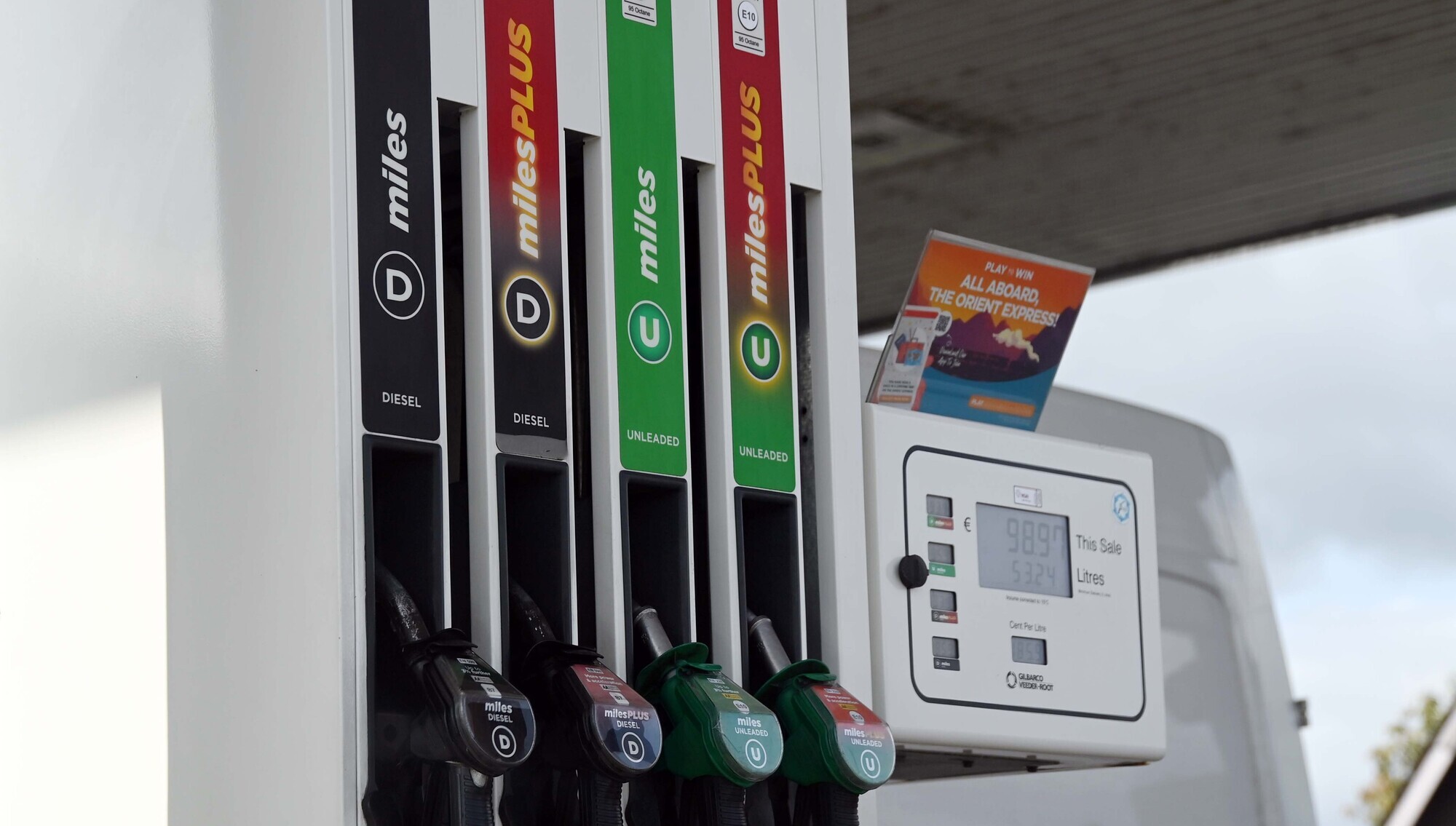
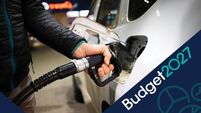
On both November 1 and December 1, excise duty on petrol will rise by 5c, diesel will rise by 7c, and the Nora levy will increase by 2.7c. File picture: Denis Minihane
What is €270m amongst friends? For the Government, it's the cost of doing something that most people suspected you were going to do anyway, but which you didn't want to commit, lest they suspect you were going to do it.
Cabinet on Tuesday signed off on plans agreed by coalition leaders on Monday evening to extend the 32c excise cut on diesel and 27c cut on petrol from August 1 to September 1, after which they will be phased out.
On September 1, excise will be increased by 9c on petrol and 10c on diesel. The Nora levy will also increase by 2c, bringing the total reversals to 11c and 12c, respectively. Excise on petrol will increase by 8c on October 1, while diesel will increase by 7c.
On both November 1 and December 1, excise duty on petrol will rise by 5c, diesel will rise by 7c, and the Nora levy will increase by 2.7c.
The hope in government is that by the time the Christmas trees are lit, and the Toy Show rolls around, the US and Iran have returned to their respective corners, and the Strait of Hormuz is overflowing with so many oil tankers that the price of fuel goes back to being regular expensive and not "could I just push the car home?" expensive.
Read More
It's not so much a gamble as it is a government pinning its hopes on something which, despite what some might think, it has very little ability to control. It will cost €270m to forgo the excise duty on fuel until the beginning of December.
That is on top of €250m announced in March and another €505m in April as fuel protests swept the country. Not all of that is excise-related, but spending on one thing means you cannot spend that same money on another thing, a point lost on some.
When the initial announcement was made in March, I wrote: "Keeping supports going indefinitely is not an option, and government sources have been keen to stress that the public cannot be fully shielded from the negative impacts of the war. The political manoeuvring out of supports will be difficult to unwind, even in the face of opposition criticism that they don't go far enough."
In the Dáil last week, Sinn Féin's Pearse Doherty lambasted Tánaiste Simon Harris over the ending of cuts, arguing that the Government's passing of the bill which gives effect to the end of cuts was tantamount to voting for higher fuel prices.
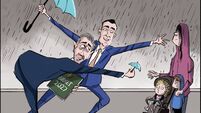
It was a logical leap, given that most would have suspected the Government would not pass on a 32c increase in a litre of petrol in one go, but it did underline what Tuesday's announcement was all about: the political difficulty of unwinding a support.
Indeed, one of the mooted increases will come just days before the Government delivers a budget which is already under more pressure from competing demands than last year's. Will voters be happy with an increase in tax bands which comes alongside higher petrol prices, for example?
Beyond that is the question of whether a sustainable peace in the Middle East can be found and held. If that doesn't happen, the Government's ability to end these cuts will be further hit. After that, you're looking at spending some real money.
- Paul Hosford is Deputy Political Editor.
CONNECT WITH US TODAY



Be the first to know the latest news and updates